• At a Glance Shanli Molecular Sieve Model Selection Guide

    In PSA nitrogen generation, oxygen production, and air drying, the right molecular sieve ensures gas purity, energy efficiency, longevity, and stability. Shanli offers carbon molecular sieves for nitrogen, oxygen, methane, noble gas enrichment, and general adsorption. This selection table helps you quickly find the right Shanli model. For detailed specs or custom solutions, contact us.


    1.Core Product Categories 

    Based on application and adsorption principle, Shanli molecular sieves fall into three main categories:

    Nitrogen-Generation Molecular Sieves,for nitrogen enrichment and separation  

    Oxygen-Generation & Methane-Purification Sieves,for efficient gas enrichment  

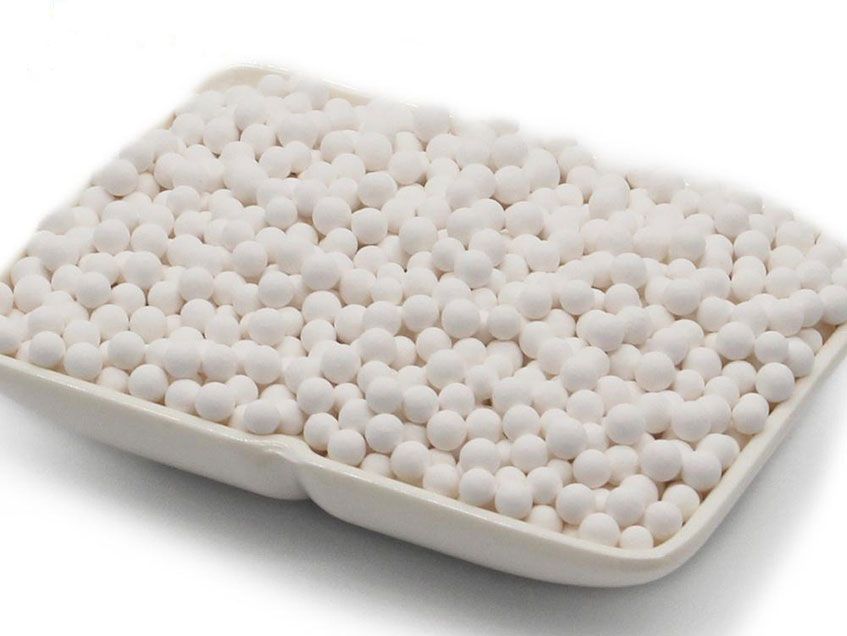
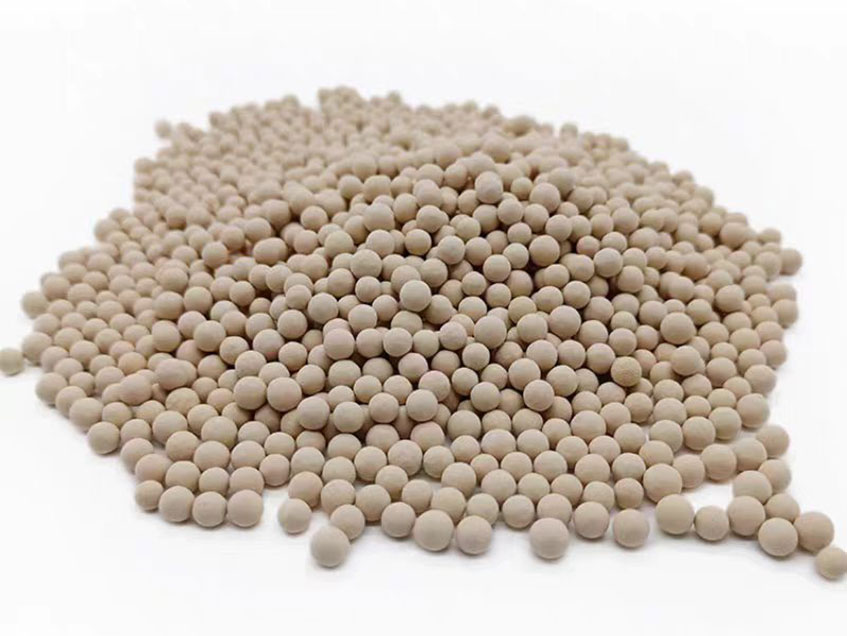
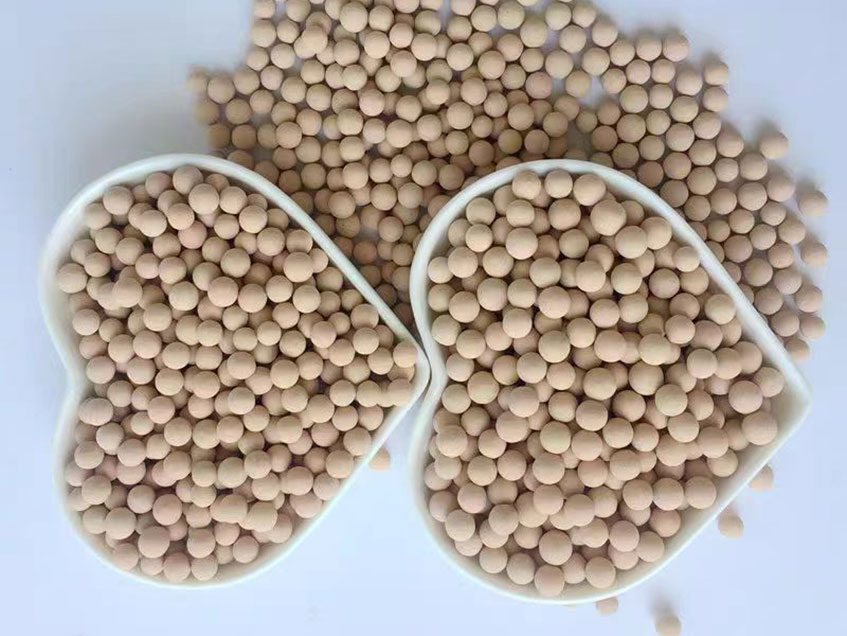
    Multifunctional Adsorbents (3A, 4A, 5A),selectively adsorb water, CO₂, and other impurities based on pore size, ideal for gas drying and purification


    2.Model Selection Table

     Selection logic: Define application & gas requirement → verify purity & output performance → match physical parameters & system scale. The table below provides a quick selection guide. For detailed parameter interpretation or custom matching, please contact us.


    Model

    Type

    Key Performance

    (N₂ efficiency at 0.7MPa)

    characteristic

    Typical Applications

    SLCMS-UEP

    N₂-dedicated CMS

    • 99.99% → 175 Nm³/h·t
    • 99.9% → 250 Nm³/h·t
    • 99.5% → 340 Nm³/h·t

    Ultra-high purity N₂

    electronics, pharmaceutical packaging, chemical blanketing.

    Suitable for PSA systems requiring stable 99.999% N₂.

    SLUHP-100

    N₂-dedicated CMS

    • 99.99% → 148 Nm³/h·t
    • 99.9% → 210 Nm³/h·t
    • 99.5% → 310 Nm³/h·t

    Ultra-high purity N₂ with energy saving

    selectronics manufacturing, pharma production

    SLCMS-HP1

    N₂-dedicated CMS

    • 99.99% → 125 Nm³/h·t
    • 99.9% → 185 Nm³/h·t
    • 99.5% → 275 Nm³/h·t

    High N₂ recovery

    food packaging, coal mine fire prevention, chemical blanketing. Reduces compressed air consumption

    SLCMS-G1.3

    N₂-dedicated CMS

    • 99.99% → 120 Nm³/h·t
    • 99.9% → 175 Nm³/h·t
    • 99.5% → 265 Nm³/h·t

    High mechanical strength or large medium/low-purity N₂ demand

    mine fire prevention, oil tank blanketing, grain storage, ship inerting.

    Coarse particles reduce pressure loss


    Model

    Type

    Key Performance

    Typical Applications

    SLCMS-OG

    Oxygen enrichment adsorbent

    High O₂ concentration & recovery; up to 99.5%

    PSA oxygen generation, e.g., medical oxygen, plateau oxygen supply, oxygen-enriched combustion.

    SLCMS-CBG

    Methane purification CMS

    Adsorbs N₂, CO₂, etc. from methane to increase purity & recovery

    Coalbed methane / biogas / natural gas purification to improve heating value and pipeline gas standards.

    3A

    General adsorbent

    Selectively adsorbs water; excludes molecules >0.3nm (e.g., ethylene, propane)

    Desiccant for insulating glass, drying unsaturated hydrocarbon streams (e.g., cracked gas).

    4A

    General adsorbent

    Adsorbs water, methanol, ethanol, etc.; excludes branched alkanes

    Deep drying of air, natural gas, refrigerants; static dehydration.

    5A

    General adsorbent

    Separates normal from iso-alkanes; adsorbs straight-chain molecules <C5

    Pre-treatment for high-purity N₂ by PSA; separation of CO₂, H₂ from industrial gases.


  • Beyond Nitrogen Generation Breakthroughs of Carbon Molecular Sieves in Advanced Separation and Catalysis

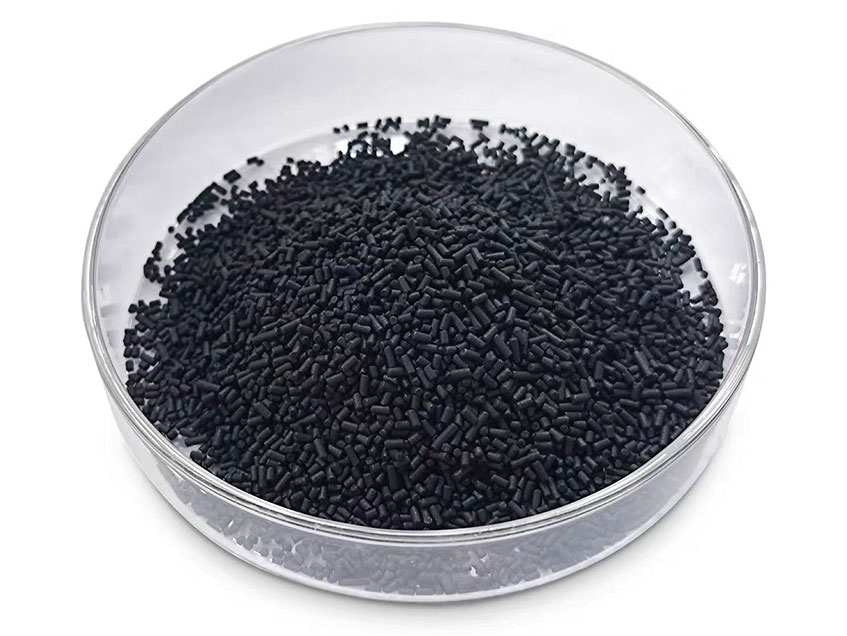
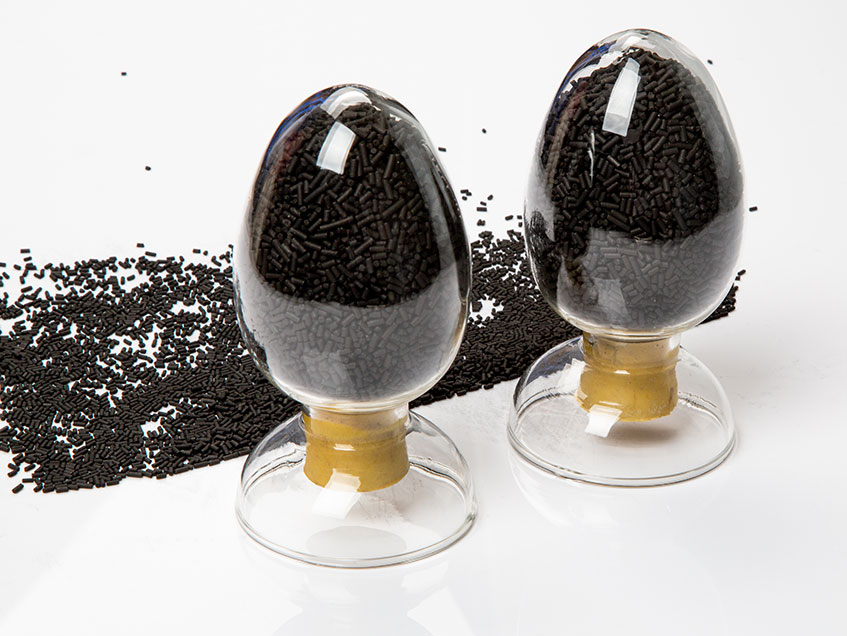
    Carbon molecular sieve


    When carbon molecular sieves (CMS) are mentioned, most people first associate them with pressure swing adsorption (PSA) for nitrogen production. However, with the upgrading of preparation technologies, the application boundaries of this material are constantly expanding. Endowed with a well-developed pore structure, uniform pore size distribution and excellent thermal stability, carbon molecular sieves are demonstrating irreplaceable value in high-end fields such as CO₂ capture, hydrogen purification, petrochemical separation and catalytic conversion, emerging as a key material driving the upgrading of low-carbon industry and high-end manufacturing.


    Driven by the "dual carbon" goals, CO₂ capture and separation have become an important research focus. As a solid adsorbent, carbon molecular sieves exhibit outstanding performance in CO₂ separation. Their microporous structure enables precise molecular sieving of CO₂ from gases such as CH₄ and H₂, making them particularly suitable for natural gas purification and coal bed methane separation. Compared with the traditional amine absorption method, the CMS adsorption method is non-corrosive, free of secondary pollution and lower in energy consumption. It can effectively reduce CO₂ emissions from industrial waste gas and contribute to carbon neutrality. Studies have shown that through modification treatments (e.g., introducing a hierarchical pore structure and adjusting micropore volume), the CO₂ adsorption capacity and separation factor of carbon molecular sieves can be significantly improved, further expanding their application scenarios in the field of carbon capture.


    As the core of clean energy, hydrogen energy places extremely high demands on separation materials in its purification process. Relying on its sub-angstrom level pore size regulation capability, carbon molecular sieves can efficiently separate H₂ from impurity gases such as CH₄ and CO₂. New-type carbon molecular sieves have achieved precise pore size control at the 0.1 angstrom level through technologies such as CO₂ concentration gradient activation and double-crosslinked polyimide. Their H₂/CH₄ selectivity can reach 3807-6538 with a markedly improved H₂ permeability, and the separation energy consumption is only 1/3 to 1/5 of that of the traditional distillation method. This greatly reduces the cost of hydrogen purification and provides support for the industrialization of hydrogen energy.


    In the petrochemical field, carbon molecular sieves have solved the industry-wide challenge of olefin/paraffin separation. Propylene and propane, as well as ethylene and ethane, have minimal differences in molecular size, resulting in high energy consumption and low efficiency of traditional separation processes. New-type carbon molecular sieves construct a uniform microporous structure through the accurate pyrolysis-rearrangement synergy technology, with a C₃H₆/C₃H₈ adsorption ratio exceeding 100. Some of their performance indicators have broken through the Robeson upper bound, enabling efficient separation of the above-mentioned gas pairs, improving the purity and yield of petrochemical products and reducing production energy consumption.


    Carbon molecular sieves also show unique advantages as catalysts or catalyst carriers. In the process of biomass conversion, they can realize the comprehensive conversion of cellulose, hemicellulose and lignin, avoiding the generation of a large amount of acid-containing waste residue and reducing environmental pollution and coking problems. Their abundant microporous structure can provide sufficient catalytic active sites; by loading metal active sites, they can be applied to reactions such as hydrogenation and dehydrogenation, integrating the functions of molecular sieving and catalysis and driving the development of green chemical processes.


    Any interestes or questions ,welcome to visit us at www.carbon-cms.com.

  • Carbon Molecular Sieve Loading Steps

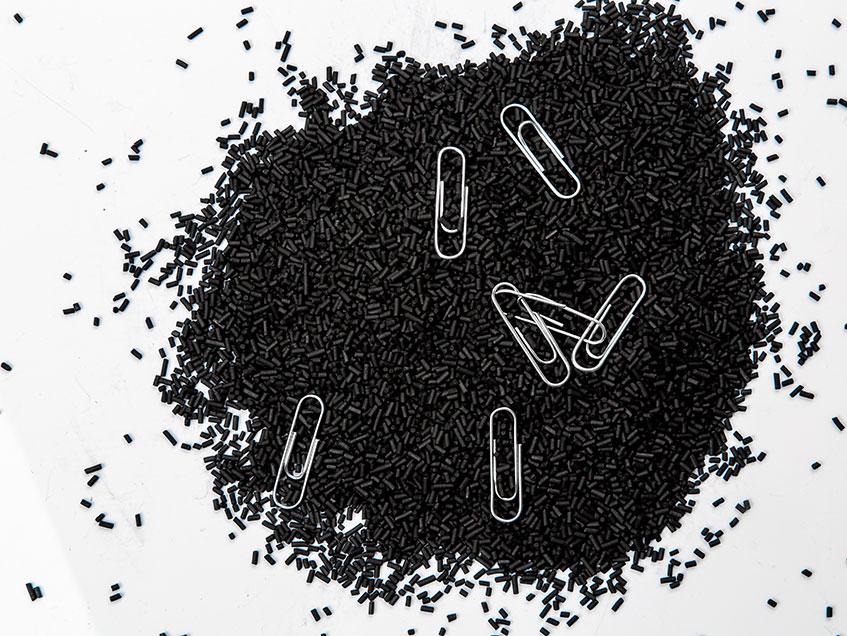
    black carbon molecular sieve


    1.System Shutdown, Pressure Relief and Power Off Operation

    First, shut down the system via the nitrogen generator control system, close the compressor outlet and nitrogen generator inlet globe valves, and slowly open the pressure relief valve to relieve pressure until all pressure gauges return to zero. Finally, cut off the main power supply of the system, hang a "Equipment Maintenance, No Switching On" sign and arrange for special personnel to be on duty to avoid the risk of working under pressure or with electricity. This procedure applies to the high purity nitrogen CMS.


    2. Separation of Nitrogen Outlet Pipeline and Removal of Adsorption Tower Top Cover

    Confirm the connection method between the nitrogen outlet pipeline and the adsorption tower, select corresponding tools to symmetrically remove the connecting components. After separation, seal the pipeline port with a sealing plug to prevent debris from entering. Two personnel shall cooperate to remove the top cover of the adsorption tower, place it stably and record the installation position to avoid collision damage.


    3. Thorough Cleaning of Spent Carbon Molecular Sieve in the Packed Tower

    Use tools such as buckets, vacuum cleaners to clean the spent carbon molecular sieve in the tower and collect it into a special waste barrel; purge residual debris in corners with low-pressure compressed air and cooperate with a vacuum cleaner to ensure no residue. Operators shall wear protective equipment, keep the area well-ventilated, and dispose of the spent molecular sieve in accordance with specifications.


    4. Integrity Inspection of Wire Mesh and Palm Mat in the Tower

    Check whether the filter wire mesh in the tower is damaged or loose, and whether the mesh size matches; check whether the sealing palm mat is aged or damaged. If there are problems, replace with components of the same specification in a timely manner, and check the integrity of the fixing components to ensure loading tightness and prevent molecular sieve leakage.


    5. Confirmation of Residues in the Tower and Preparation Before Loading

    Reconfirm that there is no residue, debris and the tower is dry; if there is water stain, purge and dry it. Prepare new carbon molecular sieve, activated alumina and other materials as well as loading tools in advance to ensure the materials are dry and intact, the tools are in normal condition, and the operators are properly protected.


    6. Bottom Paving and Preparation for Layered Loading

    Lay and fix a new palm mat at the bottom of the tower to ensure tight fit without gaps; evenly pave a 10-20cm thick layer of activated alumina on top. After checking that the paving is flat and not loose, install a loading hopper (with the outlet extending to the middle of the tower) to prepare for loading carbon molecular sieve.


    7. Carbon Molecular Sieve Loading, Vibration Compaction and Top Cover Installation

    Slowly and evenly pour new carbon molecular sieve through the loading hopper, control the feeding speed to avoid particle breakage. When loading is nearly at the top of the tower, use vibration equipment to vibrate in all directions for 5-10 minutes for compaction; if there is settlement, replenish materials in a timely manner. Finally, load until it exceeds the tower edge by 5-10cm, lay the top palm mat, then stably cover the top cover and symmetrically tighten the fixing bolts to ensure good sealing.


    For more information on carbon molecular sieves, please visit www.carbon-cms.com.

  • Carbon Molecular Sieve Nitrogen Generation Principle Core Technical Analysis of PSA Air Separation

    1. Core Basics: What is Carbon Molecular Sieve (CMS)

      Carbon Molecular Sieve (CMS) is a porous carbon adsorption material and the core consumable for PSA nitrogen generators. It features uniformly distributed nano-scale micropores, precisely controlled at 0.28–0.30nm – falling right between the kinetic diameters of oxygen (0.28nm) and nitrogen (0.30nm) molecules, which provides the precise physical foundation for air separation.


    2. Core Principle of Kinetic Adsorption Separation

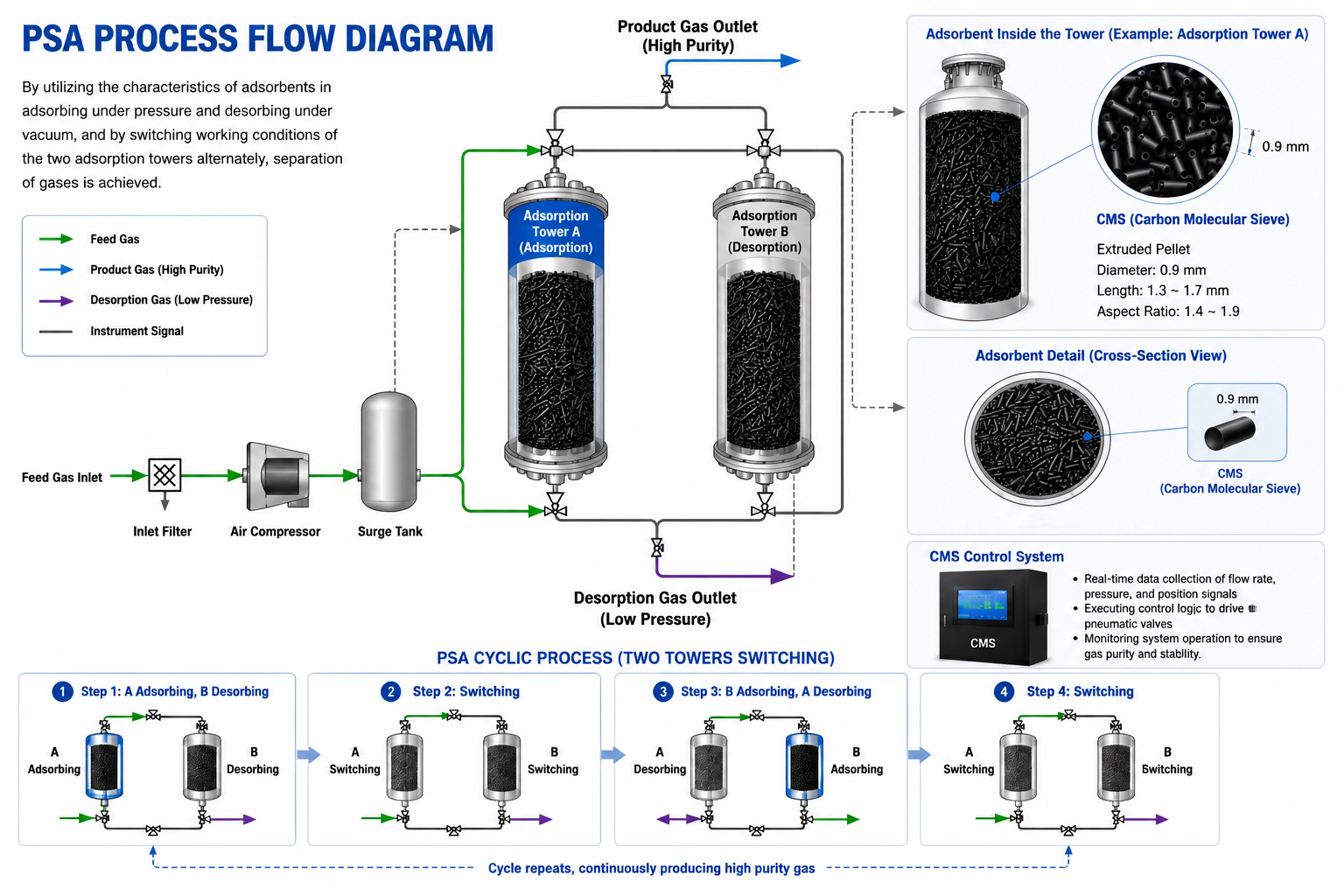
      CMS-based nitrogen production relies on differences in molecular diffusion rates, rather than physical sieving. After purification, compressed air enters the CMS-filled adsorption tower. Oxygen molecules, being smaller, diffuse faster and are rapidly adsorbed into the micropores. Nitrogen molecules, slightly larger and slower, pass through the bed within the set cycle to yield high-purity nitrogen. This process depends on diffusion time differences, defining it as kinetic separation. Once the micropores are saturated with oxygen, the system depressurizes to desorb and discharge the trapped oxygen, allowing the CMS to regenerate automatically – without heating or chemical agents – for long-term cyclic service.


    3. Complete Process Flow of PSA Pressure Swing Adsorption Nitrogen Generation

      Carbon molecular sieve cannot work independently. It needs to match a dual-tower PSA system to realize continuous nitrogen supply through alternating pressurized adsorption and decompression desorption. The complete nitrogen generation process is divided into four key procedures.

      3.1 Air Pre-treatment System (Pre-purification)

      The air compressor compresses atmospheric air to 0.6-0.8MPa. Then the compressed air passes through refrigerated dryers and three-stage precision filters to completely eliminate dust, liquid water and oil contamination. Moisture and oil are the top threats to carbon molecular sieves, which will cause irreversible micropore blockage, damage adsorption performance permanently and shorten the service life of CMS dramatically. Therefore, a complete pre-filter system is indispensable for standard PSA nitrogen generators.

      3.2 Pressurized Adsorption (Core Nitrogen Production Stage)

      Purified dry compressed air flows into the CMS-filled adsorption tower. Under high pressure, oxygen molecules are quickly adsorbed into micropores, while nitrogen molecules pass through the tower directly. High-purity nitrogen with a purity ranging from 95% to 99.999% can be produced within dozens of seconds.

      3.3 Pressure Equalization (Energy-saving & Protection Process)

      After one adsorption tower reaches oxygen adsorption saturation, the system switches automatically and balances pressure between dual towers. Residual pressure inside the tower is recycled to reduce energy consumption for subsequent pressurization. Meanwhile, this process avoids sharp pressure fluctuation to prevent CMS particle pulverization, effectively extending the service life of carbon molecular sieves.

      3.4 Decompression Desorption (Molecular Sieve Regeneration)

      The saturated adsorption tower is depressurized to atmospheric pressure rapidly. Oxygen and other impurity gases trapped in micropores are fully desorbed and exhausted. The micropores of CMS return to vacant state to finish automatic regeneration. No extra heating device or consumable replacement is required during the whole regeneration process.


    4. Performance Comparison: PSA CMS Nitrogen Generation vs Other Nitrogen Production Technologies


    Nitrogen Generation Method

    Start-up Time

    Operating Cost

    Applicable Scenarios

    Max Nitrogen Purity

    PSA CMS Nitrogen Generation

    3-5 minutes for qualified nitrogen output

    Low, no frequent consumable replacement

    Most medium and small industrial sites

    99.999%

    Cryogenic Air Separation

    More than 8 hours pre-cooling time

    Extremely high, high equipment investment & power consumption

    Large-scale centralized high-flow nitrogen supply

    99.9995%

    Membrane Separation Nitrogen Generation

    Instant gas output

    Medium, membrane modules prone to aging

    Large-flow demand with low nitrogen purity requirement

    99.5%


      Considering overall cost performance, flexible start-stop performance and maintenance difficulty, PSA CMS nitrogen generation has become the preferred solution for over 90% of medium and small industrial nitrogen supply projects worldwide.


    5. Influence of CMS Quality on Nitrogen Generator Performance

      More than 70% of the overall performance of PSA nitrogen generators depends on the quality of carbon molecular sieves. There is a huge performance gap between low-end inferior CMS and industrial high-precision CMS:

    • Inferior Carbon Molecular Sieve: Uneven micropore distribution, poor compression resistance and low oxygen adsorption capacity. It will lead to substandard nitrogen purity, insufficient gas output and increased power consumption, requiring overall replacement within 1-2 years;
    • Our High-precision Carbon Molecular Sieve: Features uniform micropore distribution, high mechanical strength, large oxygen adsorption capacity and excellent oil & moisture resistance. Compatible with full-series PSA nitrogen generators, our CMS boasts a service life of 6-8 years under standard working conditions. Stable long-term gas production effectively cuts power consumption and daily maintenance costs for end users.


    6. Our Product Portfolio: One-stop Supply of Full-range Air Separation Adsorbents

      With more than 10 years of professional experience in air separation adsorption material industry, our company focuses on the R&D, production and sales of molecular sieves and supporting air separation consumables. Our main product lines cover:

    • Full-series industrial nitrogen generation CMS (CMS 220/240/260/280)
    • Lithium molecular sieve & zeolite molecular sieve for PSA oxygen generators
    • Activated alumina and silica gel desiccants for air drying systems
    • Customized air separation tower fillers and integrated air separation solution services

      We support sample trial orders, bulk stock wholesale and customized pore size production. Free technical services including molecular sieve selection guidance and nitrogen generator commissioning support are available. We help nitrogen equipment manufacturers and end industrial users improve gas production efficiency and reduce overall gas supply costs.


    7. Frequently Asked Questions

    •       Q: Is regular replacement of carbon molecular sieve required?
    • A: Frequent replacement is not needed under standard working conditions. With well-functioning pre-purification systems, our carbon molecular sieve can serve stably for more than 6 years. Only regular inspection of air compressors and precision filters is required.    


    •       Q: Can nitrogen purity be adjusted freely?
    • A: Yes. The nitrogen purity can be adjusted from 95% to 99.999% flexibly by changing adsorption time and working pressure, meeting the nitrogen demand of food packaging, electronic welding, chemical industry and other fields.


    •       Q: Will low ambient temperature affect nitrogen generation efficiency?
    • A: Our PSA nitrogen system works stably within 0-45. For outdoor low-temperature working scenarios in cold regions, matched thermal insulation components can ensure stable continuous gas production. 


  • CMS Quality Evaluation Key Technical Parameters You Must Check

    In PSA nitrogen generation systems, Carbon Molecular Sieve (CMS) is the core adsorbent material that directly determines nitrogen purity, output, energy consumption, and long-term equipment stability.

    Many users focus only on the labeled purity during selection, while overlooking the key technical parameters that truly affect performance and cost-effectiveness.

    This article uses measured data from three SHANLI CMS models (SLCMS-UEP, SLCMS-USP/H, SLUHP-100) to explain the meaning and importance of each parameter — helping you make a more informed selection decision.


    1. Nitrogen Productivity — Determines Equipment Size & Initial Investment

    What it means

    • Under standard conditions (0.7MPa, 20°C), the nitrogen output per ton of CMS per hour (Nm³/hr·ton). 
    • It is a core indicator of CMS adsorption capacity, reflecting oxygen adsorption strength per unit mass.

    Why it matters

    Higher productivity → less CMS required to achieve the same nitrogen output → smaller adsorption tower → lower equipment footprint and initial investment.

    Reference data (at 99.99% nitrogen purity)


    Model

    Nitrogen Productivity (Nm³/hr·ton)

    SLCMS-UEP

    175

    SLCMS-USP/H

    160

    SLUHP-100

    148


    SLCMS-UEP offers outstanding productivity, ideal for medium-to-large high-load nitrogen generation. SLUHP-100 has slightly lower productivity but delivers stable performance under ultra-high purity conditions.


    2. Nitrogen Recovery Rate & Air/N Ratio — Determine Energy Cost

    What they mean

    • Nitrogen recovery rate: the proportion of nitrogen effectively separated from raw air 
    • Air/N ratio: the volume of compressed air consumed to generate 1 Nm³ of nitrogen

    Why it matters

    Higher recovery rate and lower air/N ratio mean less compressed air waste, lower air compressor load, and significantly reduced long-term electricity costs.

    Reference data (at 99% purity)


    Parameter

    Value

    Nitrogen recovery rate

    48%–50%

    Air/Nratio

    2.52.6


    Even under ultra-high purity (99.999%) conditions, SLCMS-UEP maintains:

    • Nitrogen recovery rate: 26%
    • Air/N ratio: 4.9

    These figures significantly exceed conventional industry standards, greatly reducing energy consumption for high-purity nitrogen production.


    3. Crush Strength — Determines Service Life & System Stability

    What it means

    The ability of CMS particles to withstand repeated mechanical impact and airflow stress during PSA pressurization/depressurization cycles.

    Why it matters

    Insufficient crush strength leads to:

    • Particle pulverization → blocked airflow channels
    • Increased system pressure drop
    • Reduced nitrogen generation efficiency
    • Potential secondary damage to equipment

    Reference data


    Parameter

     SHANLI Value

    Typical Industry Level

    Crush strength

    ≥38N

    Usually below 30N


    4. Ash Content — Affects Performance Decay & Maintenance Intervals

    What it means

    Residual impurities generated during CMS manufacturing.

    Why it matters: 

    Excessively high ash content leads to:

    • Blockage of CMS micropores → gradual adsorption performance loss
    • Contamination of downstream pipelines and equipment after pulverization

    Reference data


    Parameter

     SHANLI Value

    Ash content

     ≤5.0%


    Strict impurity control protects the microporous structure, maintains stable adsorption performance, and extends equipment maintenance cycles.


    5. Bulk Density & Particle Size — Affect Filling Quality & Airflow Distribution

    What they mean

    • Bulk density: mass of CMS per unit volume (g/mL) 
    • Particle size: dimension of CMS particles (mm)

    Why it matters

    • Uniform particle size → prevents bridging or voids during filling → avoids local airflow short-circuiting 
    • Moderate bulk density → ensures sufficient adsorption capacity while avoiding filling difficulties or excessive pressure drop

     Reference data


    Model

    Particle Size

    Bulk Density (g/mL)

    SLCMS series 

    0.9mm(customizable)

    0.650–0.690

    SLUHP-100

    1.0–1.2mm

    0.650–0.690


    Uniform particle distribution and optimized bulk density ensure dense filling and stable internal airflow.


    Conclusion: How to Properly Evaluate Carbon Molecular Sieve Quality?

    CMS quality evaluation is never a comparison of single parameters, but a comprehensive assessment of performance, stability, and operating condition compatibility.


    Evaluation Dimension

    Key Parameters

    Focus Area

    Performance

    Nitrogen productivity, recovery rate, air/N ratio

    Output efficiency & energy consumption

    Life & Stability

    Crush strength, ash content

    No pulverization, no performance decay

    Adaptability

    Particle size, bulk density, filling method, storage

    Equipment matching & operational convenience

    Optimization Potential

    Temperature adaptability

    Headroom for further performance gains


    Selection advice: Based on your actual nitrogen demand, site operating conditions, and long-term operating costs, comprehensively compare all parameters to select the most suitable CMS solution.


    Not Sure Which CMS Model Fits Your System?

    We offer professional selection guidance, filling optimization, operating parameter tuning, and lifetime technical support.


  • Core Differences Between Molecular Sieves and Silica Gel

    Molecular Sieve and Silica Gel

    1.Drying Depth

    Molecular sieves can stably reduce the gas dew point to below -40°C, with some high‑grade models reaching as low as -70°C, fully meeting deep dehydration requirements. They are widely used in moisture‑sensitive processes such as natural gas dehydration (to prevent pipeline freezing and corrosion), refrigerant drying (to avoid clogging in refrigeration systems), aviation kerosene purification (to ensure fuel stability), and electronic‑grade gas drying (to protect chips from moisture damage). In contrast, silica gel only achieves a drying depth of approximately -20°C, which is limited to general moisture‑proof applications such as preliminary dehumidification in workshops and surface protection of ordinary equipment, and cannot be used for deep dehydration.


    2.Adsorption Selectivity

    Molecular sieves exhibit strong selectivity. With uniform pore sizes, they can precisely separate molecules of different dimensions—for example, separating oxygen and nitrogen in oxygen generators, and separating normal and isoparaffins in petrochemical processes. Silica gel, however, has no selectivity; it adsorbs various polar substances including water, ethanol, and methanol simultaneously, making it unsuitable for precision separation.


    3.Environmental Adaptability

    Molecular sieves have excellent thermal stability. Standard grades maintain structural integrity below 650°C and perform reliably in high‑temperature conditions such as petroleum cracking, catalytic reactions, and high‑temperature flue gas treatment. They are also chemically inert and resistant to acids, alkalis, and organic solvents, adapting well to harsh industrial environments.Silica gel has poor thermal stability: its structure collapses and dehydrates into powder above 200°C, losing adsorption capacity and even releasing trace siloxane impurities that contaminate products or corrode equipment. Additionally, silica gel dissolves in strong alkalis and is only suitable for mild, non‑corrosive, room‑temperature applications such as ambient air dehumidification and general instrument protection.


    4.Regeneration Performance and Service Life

    Molecular sieves require a relatively high regeneration temperature (200–300°C) and supporting heating equipment, resulting in slightly higher initial energy consumption. However, their adsorption capacity is almost fully restored after regeneration; they can be reused more than 10 times, with a service life of 1–2 years (depending on operating conditions), leading to lower cost per unit adsorption capacity over the long term.Silica gel regenerates at a lower temperature (100–150°C) with simpler operation and lower energy use, but can only be regenerated 3–5 times. Adsorption performance degrades noticeably after each cycle, and it gradually powders and fails, requiring frequent replacement. This increases material costs and disrupts production—especially in continuous manufacturing lines, where frequent silica gel replacement causes costly downtime.


    5.Cost

    Silica gel is much cheaper than molecular sieves, typically priced at 1/3 to 1/2 of the cost, making it suitable for high‑volume, low‑performance general applications.


    Selection Summary

    Choose molecular sieves for high‑precision, deep drying, high‑temperature, or precision‑separation industrial scenarios (e.g., natural gas, compressed air, petrochemicals).Choose silica gel for room‑temperature, low‑cost applications such as general air dehumidification, instrument moisture protection, and packaging drying.


    If you want to get more information about us,you can click www.carbon-cms.com.

  • Differences in Adsorption Performance Between Molecular Sieves and Activated Carbon

    Molecular Sieves


    Adsorption Characteristics

    Molecular Sieves: Under pressure - swing conditions, they can achieve efficient cyclic adsorption and desorption of gas molecules with specific sizes. They are capable of precise selection among multiple gas molecules, capturing target components under high pressure and releasing them rapidly under reduced pressure. Thus, they are suitable for scenarios such as producing high - purity nitrogen or oxygen.

    Activated Carbon: It is a non - polar physical adsorbent, suitable for adsorbing volatile organic compounds (e.g., formaldehyde), but cannot separate mixed gases.


    Thermal and Compressive Resistance

    Molecular Sieves: Their structure remains stable at 200 - 300℃, they can withstand frequent pressure changes, and can be recycled for long - term use.

    Activated Carbon: It has good heat resistance but poor compressive strength, and is prone to crushing under high pressure.


    Contamination Resistance

    Molecular Sieves: They are susceptible to contamination by water, oil vapor, sulfides, etc. Severe contamination will lead to irreversible failure of molecular sieves.

    Activated Carbon: It is sensitive to oils; once its pores are blocked, it will fail and is difficult to regenerate.


    Core Application Scenarios

    Molecular Sieves: They are the core of pressure swing adsorption (PSA) technology and are used for gas separation and purification.

    Activated Carbon: It is mostly used in the terminal pollutant purification process.


    For more information on molecular sieves, please visit www.carbon-cms.com.

  • Effect of Temperature and Pressure on Carbon Molecular Sieve Performance

    Many nitrogen generator users face a common issue: with the same CMS, same equipment, and same loading process, the nitrogen output and purity fall short of specifications. Or performance varies by season, or becomes unstable after pressure adjustments.

    In most cases, the problem is not the CMS quality, but temperature and pressure are not within the optimal range — directly affecting adsorption rate, capacity, and separation efficiency.

    This article explains how temperature and pressure impact CMS performance.


    1. Core Principle: Adsorption Characteristics of CMS

    CMS uses precisely engineered micropores to achieve kinetic separation: oxygen is adsorbed preferentially, while nitrogen is enriched in the gas phase. Key performance indicators include oxygen adsorption capacity, separation factor, adsorption rate, and aging resistance.

    Temperature and pressure are the two main external factors:

    • Pressure determines the upper limit of adsorption capacity.
    • Temperature affects adsorption efficiency and saturation.

    An imbalance in either can significantly degrade generator performance.


    2. Effect of Temperature on CMS Performance

    CMS performs better at lower temperatures. Higher ambient or inlet temperatures reduce adsorption performance — the main reason summer operation often deteriorates.


    Temperature Range

    Performance

    Key Impact

    10°C – 25°C (Low)

    Optimal

    High adsorption capacity and separation factor, stable purity. Below 10°C: better performance but risk of freezing

    25°C–35°C(Normal)

    Standard range

    Mild performance loss, manageable with minor parameter adjustments

    >38°C (High)

    Rapid decline

    Purity drop, output loss; >30% shorter service life under prolonged high temperature


    3. Effect of Pressure on CMS Performance

    PSA nitrogen generators rely on pressure swings for adsorption and regeneration. Pressure is the key variable for CMS adsorption capacity — too low, too high, or unstable, and separation breaks down.


    Pressure Range

    Performance

    Key Impact

    <0.6 MPa (Too low)

    Insufficient adsorption capacity

    Purity and output both drop, unstable operation

    0.6–0.8MPa(Optimal)

    Peak performance

    Saturation and recovery rates meet design targets, stable cycles, low risk of pulverization

    >0.85 MPa (Too high)

    Accelerated damage

    Pulverization, clumping, pore blockage (poisoning), increased valve/piping stress

    Atmospheric (Regeneration)

    Critical for regeneration

    Incomplete exhaust leads to residual oxygen and failure of next adsorption cycle


    4. Coupled Effect: High Temperature and Low Pressur

    A single parameter deviation has limited impact, buthigh temperature and low pressure is the worst combination and the most common cause of purity failure:

    • Summer heat → higher inlet temperature → lower CMS adsorption capacity. 
    • Heat may also reduce air compressor discharge pressure → lower adsorption pressure. 
    • The combined effect sharply reduces effective adsorption — even new CMS may fail to deliver rated purity and output.


    5. On-Site Optimization Measures

    Temperature control

    • Install aftercoolers or dryers to keep inlet temperature ≤30°C in summer.
    • Ensure ventilation and avoid direct sunlight or enclosed hot rooms.
    • Under high temperature, extend adsorption time moderately to compensate for performance loss.

    Pressure control

    • Maintain stable pressure at 0.65 – 0.75 MPa for standard industrial generators.
    • Regularly check for leaks and filter clogging to minimize pressure drop.
    • Ensure unobstructed exhaust for complete CMS regeneration.
    • In most cases, output loss or purity instability does not require CMS replacement— optimizing temperature and pressure restores standard performance. (Long-term damage from heat or oil/water contamination may still require replacement.)


    As a professional CMS manufacturer, Chizhou Shanli can provide customized CMS grades and on-site tuning solutions for high-temperature, low-pressure, or high-humidity conditions — solving instability at the consumables level.

  • Five Types of CMS Poisoning Symptoms & Remedial Solutions

           Carbon Molecular Sieve (CMS) is the core consumable of PSA nitrogen generators. Once poisoned, it leads to reduced nitrogen output, insufficient gas purity and rising air-to-nitrogen ratio, shortening service life significantly. The five common poisoning causes are water soaking, oil fouling, acid gas corrosion, high-temperature degradation and dust coking. Most operators only spot CMS pulverization while ignoring poisoning as the root cause. This article analyzes symptoms, causes and field solutions for each failure.


    Type of Poisoning

    Symptoms

    Causes

    Solution

    Water Flooding Poisoning

    Lower N purity & output; CMS caking; higher air-nitrogen ratio

    Poor air drying; condensed water or moisture backflow

    Long-time no-load purging; hot air drying; repair pre-drying system

    Oil Contamination Poisoning

    Black & sticky CMS; permanent capacity drop; unable for 99.99% high purity

    Compressor oil leakage; failed pre-oil filtration

    Light pollution: high-temperature N regenerationHeavy pollution: replace full CMS and filters

    Acid Gas Corrosion Poisoning

    Brittle CMS; more powder; higher tower pressure drop; low N recovery

    Sulfide & acidic gas in raw air erodes carbon structure

    Replace corroded CMS; add activated carbon pre-filter

    High-Temperature Degradation Poisoning

    Fragile CMS; failed high-purity nitrogen production; performance decay

    Overheated inlet air (>45); poor heat dissipation

    Control inlet temperature at 20–35; replace thermally damaged CMS

    Dust Coking Poisoning

    High tower pressure difference; blocked pores; reduced gas yield

    Dust and organic residue coking inside micropores

    Screen and regenerate CMS; install intake dust filter


    In short, proper inlet air pretreatment against water, oil, acid and dust is the key to avoid CMS poisoning and keep long-term stable adsorption efficiency. Effective pre-treatment helps maintain consistent nitrogen purity and rated gas output, greatly extending the service cycle of carbon molecular sieve.

  • How to Balance Purity and Yield with Carbon Molecular Sieve?

    1.Is Higher Purity or Higher Yield Always Better?

    Not necessarily. Higher purity typically comes with lower yield, higher air consumption, and increased energy costs. If your process only requires 99.9% nitrogen, using a sieve that delivers 99.999% is simply overkill—and unnecessarily expensive.

    The same applies to yield. Pushing for maximum yield can compromise purity stability and lead to oxygen breakthrough, making the nitrogen unsuitable for your application. The smart approach: first determine the minimum purity your process requires, then choose a CMS that offers the best possible yield at that purity level. Avoid chasing extreme specifications. 


    2.Why Does Higher Purity Reduce Nitrogen Yield?

    Carbon molecular sieve purifies nitrogen by adsorbing oxygen. When extremely high nitrogen purity is required (e.g., increasing from 99.9% to 99.999%), the sieve must adsorb nearly all oxygen from the feed air.

    Here’s the trade-off: The purer the nitrogen you need, the more nitrogen you have to sacrifice to carry away the adsorbed oxygen. This increases the adsorption load on the sieve while reducing effective output.


    3. Purity vs. Yield Selection Guide (Example: SLCMS-UEP)


    Pressure

    Purity

    N₂ Yield (m³/h·t)

    Air/N₂ Ratio

    Typical Applications

    Note

    0.7 MPa

    99.5%

    325

    2.6

    Coal mine fire prevention, tank inerting, grain storage

    High volume, lower purity

    99.9%

    230

    3.2

    Laser cutting, food packaging, tire curing

    Best cost-performance balance

    99.99%

    160

    3.9

    Electronics reflow soldering, chemical blanketing

    High purity, moderate yield

    99.999%

    100

    5.4

    Lithium battery manufacturing, pharmaceutical isolation

    Purity first


    Key Takeaway:

    Always start with your actual purity requirement. Then select a CMS that maximizes yield at that purity level. This ensures reliable process performance without unnecessary operating costs.


    If you want to get more information about us,you can click www.carbon-cms.com.