• What is Alumina Cramic Ring?

    Alumina ceramic rings are precision industrial ceramic components—classified as a core type of structural ceramic—manufactured from high-purity alumina (Al₂O₃) through high-temperature sintering and precision grinding. Thanks to a combination of properties such as extreme hardness, superior wear and corrosion resistance, high-temperature stability, excellent electrical insulation, and non-magnetic characteristics, they effectively overcome the performance limitations of metal and plastic parts. Widely replacing traditional materials, these rings serve as critical wear-resistant, sealing, and insulating components in high-end applications—including mechanical seals, precision equipment, new energy sectors, and chemical metallurgy—playing a pivotal role in reducing equipment wear, extending service life, and ensuring operational stability.


    Key Performance Parameters of Alumina Ceramic Rings (Mainstream Standards for Industrial 99% Alumina)

    The most common industrial-grade ceramic rings are made of 99% alumina; offering stable parameters and high adaptability, they are the preferred choice for industrial mass production. Key specifications include:

    1. Hardness: Mohs hardness of 9 (second only to diamond) and Vickers hardness of 1700–2000 HV; far exceeding metals and plastics, they offer exceptional resistance to impact, compression, and wear.

    2. Temperature Resistance: melting point up to 2072°C with a long-term stable operating temperature of 1500°C; they do not deform, soften, or lose performance in high-temperature environments.

    3. Wear Resistance: wear resistance is 200 times that of stainless steel, 171.5 times that of high-chromium cast iron, and 266 times that of manganese steel; material loss from long-term erosion and abrasion is extremely low.

    4. Insulation: resistivity >10¹⁴ Ω·cm at room temperature; excellent insulation properties with no risk of conduction or leakage, making them suitable for high-voltage electrical applications.

    5. Corrosion Resistance: resistant to acids, alkalis, salt spray, and organic solvents; annual corrosion rate is below 0.001 mm; they do not oxidize or rust.

    6. Precision: surface roughness Ra <0.4 μm; dimensional tolerance controllable to ±0.01 mm; flat end faces ensure a tight, precise fit.

    7. Physical Properties: low thermal expansion coefficient; resistant to cracking from thermal shock; excellent dimensional stability; non-magnetic and resistant to scaling.


    Alumina Ceramic Rings vs. Metal/Plastic Rings (Key Advantages Comparison)

    Under demanding industrial operating conditions, traditional metal and plastic components are prone to issues such as wear, corrosion, deformation, electrical leakage, and material degradation. Alumina ceramic rings offer a definitive solution to these industry pain points, as highlighted in the comparison below:

    1. Comparison with Metal Rings (Stainless Steel, Carbon Steel, Alloys)

    • Superior Wear Resistance: Metal components are susceptible to wear, burring, and increased clearances due to high-speed operation and media erosion; in contrast, ceramic rings show minimal wear (only 0.02mm per 5,000 hours) and ensure vibration-free, trouble-free equipment operation.

    • Immunity to Corrosion and Rust: Metals oxidize, rust, and seize up in acidic, alkaline, humid, or salt-spray environments; alumina ceramics are chemically resistant and will never rust or corrode.

    • Electrical Insulation and Safety: Metals are conductive, posing safety risks in high-voltage or electrical equipment; ceramic rings are insulating and flame-retardant, making them ideal for safety-critical applications in the power and new energy sectors.

    • Extended Service Life: Metal sealing or wear rings typically last 3–12 months, whereas ceramic rings offer stable performance for 3–5 years, significantly reducing replacement costs and downtime losses.


    2. Comparison with Plastic Rings (POM, PEEK, Nylon)

    • High and Low-Temperature Resistance: Plastics soften and deform at high temperatures and become brittle or crack at low temperatures, limiting them to standard ambient applications; ceramic rings remain stable across a wide temperature range (-50°C to 1500°C).

    • Compression and Impact Resistance: Plastics have low hardness and are prone to scratching and deformation, making them unsuitable for high-pressure, high-speed, or heavy-load conditions; ceramic rings possess high hardness and strength, offering excellent compressive performance.

    • Resistance to Aging: Plastics are prone to aging, yellowing, cracking, and scaling over time, resulting in a short service life; ceramic rings resist aging and scaling, maintaining their original performance even after long-term use.

    • Higher Precision: Plastics suffer from low molding precision and dimensional instability, failing to meet the sealing requirements of precision equipment; ceramic rings undergo precision grinding to achieve tight tolerances and superior sealing performance.


    Mainstream Application Scenarios for Alumina Ceramic Rings

    Thanks to their versatile performance advantages, alumina ceramic rings are suitable for demanding industrial operating conditions across various sectors. Key application areas include:

    1. Mechanical Sealing Industry: sealing rings and shaft sleeves for water pumps, oil pumps, compressors, and valves; these components resolve leakage issues (water, oil, gas) and enhance sealing stability.

    2. Metallurgy and Mining Industries: war-resistant rings for pulverized coal transport pipelines, slurry transport equipment, and blast furnace coal injection systems; designed to withstand high-speed particle erosion.

    3. Power and Chemical Industries: components for desulfurization slurry pipelines, acid/alkali transport equipment, and chemical valve assemblies; capable of withstanding corrosive media and eliminating component wear.

    4. New Energy Industry: insulation rings for new energy motors and battery modules, as well as precision sensor components; leveraging high insulation and precision characteristics to ensure safe equipment operation.

    5. Precision Automation Equipment: inner bearing rings, wear-resistant liner rings, and positioning rings; suitable for high-speed equipment, helping to reduce vibration and improve operational precision.

    6. Electronics and Electrical Industry: insulating supports for high-voltage components and high-temperature resistant protective rings; featuring insulation, flame retardancy, safety, and stability.


    Core Advantages of Alumina Ceramic Rings from Dongguan Xinzhida Technology

    As a direct manufacturer specializing in the production and export of industrial ceramic components, Xinzhida has focused on alumina ceramic parts for years. We specialize in high-precision, highly stable, export-grade alumina ceramic rings, offering core advantages that set us apart from standard manufacturers:

    1. Strict Material Purity Control: we use 99% high-purity alumina raw materials—rejecting impurities or additives—to ensure consistent batch performance. Our products meet 100% of standards for hardness, wear resistance, and temperature tolerance, effectively eliminating issues like cracking or uneven wear.

    2. Ultra-Precision Manufacturing: equipped with comprehensive precision sintering and CNC grinding machinery, we offer custom non-standard sizes with tolerances controlled within ±0.01mm. Our products feature superior surface finishes and sealing performance that outperforms standard industry offerings.

    3. Application-Specific Adaptation: familiar with the rigorous operating conditions found in overseas industries, we provide tailored ceramic ring solutions—optimized for wear, corrosion, and heat resistance—based on specific client requirements regarding media, temperature, rotational speed, and pressure.

    4. Export-Grade Quality Assurance: every product undergoes rigorous multi-stage quality inspections to ensure freedom from porosity, cracks, and deformation. We comply with European and American industrial export standards and maintain long-term supply relationships with buyers across multiple countries.

    5. Reliable Lead Times & One-Stop Service: we offer rapid shipping for standard stock items and efficient execution for custom orders. We manage the entire process—from blueprint coordination and production to quality inspection and shipment—to meet the needs of both bulk export orders and customized procurement.

    6. High Cost-Performance Ratio: as a direct manufacturer, we eliminate intermediary markups, offering superior value for the same quality level. Our products’ exceptional durability significantly reduces equipment maintenance and replacement costs for our clients.

  • Beyond Price How the Right Safety Footwear Supplier Helps Buyers Move Orders Forward

    Price matters in safety footwear sourcing. No importer, wholesaler or distributor can ignore it.


    But anyone who has handled real safety footwear orders knows that price is only one part of the story. A buyer is not only buying a pair of shoes. He is also managing samples, specifications, CE documentation, labels, packaging, production timing, warehouse requirements, customer feedback and pressure from his own sales team.

    A low quotation may look good at the beginning. The real question is what happens after that.

    Can the supplier help clarify the product direction?
    Can it support a reasonable trial order when the project is still new?
    Can it remind the buyer of certification or labelling details before they become urgent?
    Can it communicate clearly when something changes during production?
    Can it learn from mistakes instead of repeating them?

    This is where supplier value becomes visible.

    At WORKWAY, we see our role not only as making safety footwear, but also as helping European B2B customers move orders forward with fewer surprises and more confidence.


    Price Is Only the Beginning


    Most buyers compare prices. That is normal.

    But the lowest price at the quotation stage does not always mean the lowest cost after delivery. The hidden cost may appear later: a product that does not fit the market, unclear documentation, a repeated quality issue, wrong packaging details, delayed delivery or a complaint from a key customer.

    In safety footwear, small details can create large problems. A wrong carton mark is easy to correct before shipment. After arrival, it becomes somebody else’s headache. A label mistake may look minor in the factory, but for an importer it can become warehouse rework, delayed deliveries or an uncomfortable conversation with a customer.

    A good quotation should not only show a number. It should help the buyer understand what is behind the price: material choice, outsole construction, comfort level, quantity, certification work, packaging requirements, production timing and long-term product stability.

    The same product direction can have different solutions. A lower-cost version may use an existing outsole, standard colour and regular materials. A comfort-focused version may need a better insole, softer construction or lighter materials. A private label version may require branding, labelling, packaging and documentation review.

    That does not mean every product must be expensive. It means every cost decision should be clear.

    The right supplier does not only ask, “What is your target price?”
    It also asks, “What should this product achieve in your market?”


    Before the Order: Helping Buyers Make the Right Decision


    Many projects start with a simple sentence.

    “We need a lightweight S3 shoe.”
    “We want something waterproof.”
    “Can you make it cheaper?”
    “We want to test a new model.”
    “We need a product for our distributor network.”

    These requests sound clear, but they usually need more discussion.

    Where will the shoe be used? Indoor work, logistics, construction, food service or outdoor work? Is the buyer looking for a standard wholesale product, a private label style or a tender item? Is comfort more important than price? Is water resistance enough, or does the product need a higher protection level? Is the order for an existing customer base, or for testing a new category?

    A useful supplier does not only send a sample and wait for feedback. It helps the buyer define the product more clearly before time and money are spent in the wrong direction.

    This is also where trial order support becomes important.

    Not every good customer starts with a full-container order. In real B2B cooperation, a distributor may need to test a new product category, introduce a new model to several key accounts, support a small project or collect feedback from the sales team before committing to larger quantities.

    For the supplier, smaller initial quantities are not always easy. They may increase material cost, production cost and coordination work. Standard MOQ is still important for stable production and cost control.

    But early-stage cooperation sometimes needs flexibility.

    A trial order is rarely the easiest order for a supplier, but it may be the most important order for building trust. It tests the product, the communication and the working style between both sides.

    For selected projects, when the product direction is clear and there is a realistic path to repeat orders, WORKWAY can discuss flexible trial order support. We do not judge every new cooperation only by the first order quantity. We also look at the customer’s market direction, product plan and long-term potential.

    A first order should move the relationship forward, not block it before it starts.


    Certification, Labelling and Order Details Need Early Attention

    For safety footwear, certification and labelling should be considered before production, not after.

    Product design, article number, brand name, safety marking, label content, instruction leaflet and delivery schedule may all affect how a project should be prepared.

    This becomes especially important when a customer changes private label branding, updates an article number, introduces a new model or works with a certificate that is close to expiry.

    A practical supplier will not promise that every certification process is simple. That would not be responsible. What it can do is help the buyer prepare earlier: product information, document support, labelling review and communication with testing bodies when required.

    Many delays do not happen because the product cannot be made. They happen because small details were not confirmed early enough.

    The same applies to packaging and labelling.

    At factory level, a label, carton mark, size sticker or instruction leaflet may look like a small detail. For the importer, it may not be small at all.

    A size sticker in the wrong place may slow down warehouse operation. A wrong article number may confuse the customer’s sales team. A missing leaflet may cause extra work before the goods can be delivered. A carton mark error may create problems when the shipment reaches the customer’s warehouse.

    Safety footwear orders often involve many details: brand labels, CE labels, article numbers, size stickers, instruction leaflets, shoe boxes, outer cartons, barcodes, hangtags, packing methods and language requirements.

    These details are not decoration. They are part of the order.

    A reliable supplier should treat certification, packaging and labelling seriously before shipment, not explain them after delivery.


    Communication Should Solve Problems, Not Just Pass Messages


    Fast replies are important. Buyers need answers.

    But quick replies alone are not enough.

    A supplier should not simply act as a message carrier between the customer and the factory. In safety footwear sourcing, one change can affect cost, certification, comfort, production lead time and after-sales risk.

    For example, a customer may ask to change the outsole colour for a small trial order. A simple answer would be: “Yes, we will check.”

    A more useful answer would consider material MOQ, colour stability, sample time, certification scope, production schedule and whether this change is worth doing for the first order.

    Professional communication means understanding the customer’s purpose, checking the production reality, and giving a practical answer.

    Sometimes the best answer is not a simple “yes”. It may be:

    “This is possible, but the cost will increase.”
    “This can be done, but it may affect the delivery time.”
    “For the first order, we suggest keeping the existing colour and adjusting it in the repeat order.”
    “This change should be reviewed before certification or labelling is confirmed.”

    Good communication reduces uncertainty. Useful communication helps buyers avoid wrong decisions.

    This is one of the biggest differences between a supplier who only follows instructions and a supplier who helps the buyer move the project forward.


    Production and Shipment: Reducing Surprises Before Delivery


    After an order is confirmed, buyers need visibility.

    They need to know whether materials are ready, whether production is moving as planned, whether labels and packaging are correct, and whether any issue may affect delivery.

    No buyer likes bad news. But late news is worse.

    During production, silence can create more damage than the issue itself. If a material, component, colour, label or schedule has a potential problem, early communication gives the buyer time to make a decision.

    A practical supplier does not hide from changes. It identifies the issue, explains the impact and offers available options.

    This matters even more when the buyer is managing several customers, catalogue launches, project deliveries or seasonal demand. The supplier’s responsibility is not only to produce. It is also to keep the buyer informed before small problems become urgent problems.

    Before shipment, buyers need more than a packing list.

    They need confidence that the goods, packaging, quantities, markings and documents are consistent with what was confirmed.

    This usually means checking final quantity, size breakdown, carton marks, packaging photos, shipment photos, packing list, invoice, delivery schedule and ETD / ETA information.

    For complex B2B orders, this step matters a lot. A distributor’s order may include several styles, colours, size runs, labels, cartons and delivery priorities. If the supplier does not coordinate these details carefully, the buyer’s workload increases immediately.

    A well-managed shipment does not happen only at the loading stage. It is the result of clear confirmation throughout the order process.


    After-Sales and Long-Term Growth: Learning from Every Order


    The real test of a supplier is not only how it handles a new order. It is also how it responds when something goes wrong.

    In real business, mistakes can happen. A wrong label, a colour difference, a delayed component, a weak part or a misunderstanding in packaging can create pressure for both sides.

    The important question is not whether a supplier can claim that nothing will ever go wrong. The real question is how the supplier reacts when something does go wrong.

    Does it avoid responsibility, or does it look for the root cause?
    Does it only solve the current complaint, or does it improve the process for the next order?
    Does the same problem happen again, or does the team learn from it?

    For long-term B2B cooperation, this matters more than empty promises. Buyers value suppliers who are willing to face problems, review details honestly and make corrections before the next shipment.

    For WORKWAY, after-sales handling is not only about compensation or explanation. It is about learning from each issue, improving internal control and reducing the chance of repeated mistakes.

    A supplier becomes better not by claiming to be perfect, but by improving through every real order.

    This is also why long-term cooperation has real value.

    Over time, a supplier should understand the customer’s preferred styles, target price range, packaging habits, common size ratio, label requirements, market feedback, best-selling products and previous quality concerns.

    The longer two companies work together, the fewer things should need to be explained again.

    This knowledge helps both sides work faster and more accurately. It also helps the customer review the product range. Some products should be continued. Some should be updated. Some should be simplified or replaced.

    A good supplier does not only offer new models. It also helps customers think about which products can support long-term market growth.

    Long-term cooperation is not built by one successful shipment. It is built by many details handled correctly, and by problems handled honestly when they appear.


    Conclusion: The Right Supplier Helps Buyers Move Forward with More Confidence


    In safety footwear sourcing, supplier value cannot be measured only by the lowest quotation.

    A good supplier helps buyers clarify product direction, support reasonable trial orders, compare options, prepare certification and labelling details, manage production, control packaging, coordinate shipment and improve future orders.

    But there is another part that matters in real cooperation: the ability to grow.

    No supplier, factory or customer is perfect. Every long-term business relationship will face changes, misunderstandings and unexpected problems. The difference is whether both sides can solve them in a practical way and become better from the experience.

    At WORKWAY, we see our role not only as a manufacturer, but as a practical safety footwear supply partner for European B2B customers.

    We support importers, wholesalers and distributors with OEM/ODM development, product selection, certification coordination, production follow-up and long-term range improvement.

    After many real orders, we know that details matter, problems must be faced, and good cooperation is built step by step.

    Because in real business, the best supplier is not only the one who gives a price.

    It is the one who helps the buyer move the order forward with fewer risks, fewer surprises and more confidence — and keeps improving with every order.


    FAQ

    1. Why should buyers consider more than price when choosing a safety footwear supplier?

    Because safety footwear sourcing involves product performance, documentation, labelling, packaging, delivery and after-sales responsibility. A low quotation may create higher costs later if the product does not fit the market or if order details are not properly controlled.

    2. Can WORKWAY support trial orders for new cooperation?

    For selected projects, WORKWAY can discuss flexible trial order support when production conditions, product direction and long-term cooperation potential are clear. Standard MOQ remains important for stable production and cost control.

    3. What should be confirmed before safety footwear production starts?

    Buyers and suppliers should confirm product specifications, materials, safety markings, packaging, labels, certificates, delivery schedule and possible risks before production starts.

    4. Does WORKWAY help with certification-related preparation?

    WORKWAY supports customers with product information, document preparation, labelling review and coordination with testing bodies when required. Certification results depend on product design, testing requirements and applicable standards.

    5. Why is communication important in safety footwear sourcing?

    Because one decision can affect cost, certification, comfort, production time and after-sales risk. Professional communication helps buyers understand options, risks and practical solutions before decisions become expensive mistakes.

    6. What makes long-term cooperation valuable?

    Long-term cooperation allows the supplier to understand the buyer’s market, product range, packaging habits, size ratios, quality concerns and sales feedback. This accumulated knowledge helps each new order move faster and with fewer repeated problems.
  • Safety Footwear Supply Chain Insight 2026 | Raw Materials, Shipping and Market Signals

    A manufacturer’s perspective on global supply chain signals affecting safety footwear production, including petrochemical raw materials, logistics conditions and distributor inventory planning.


    Global Developments and Their Possible Impact on Safety Footwear Supply Chains

    In recent weeks, global geopolitical developments and energy market volatility have drawn increased attention across many manufacturing industries. For companies involved in industrial safety footwear production, these developments are important not because of short-term headlines, but because of the potential signals they send through the global supply chain.


    WORKWAY SAFETY, an OEM and ODM safety footwear manufacturer supplying international distributors, continuously monitors developments affecting raw materials, logistics and production planning. From a manufacturing perspective, several signals in the supply chain are worth observing.

    While the long-term impact of current geopolitical developments remains uncertain, manufacturers and distributors across the PPE industry are paying closer attention to factors that could influence the stability of safety footwear production.


    Raw Material Signals from the Petrochemical Supply Chain

    Modern safety footwear manufacturing relies heavily on materials connected to the petrochemical industry. Components such as PU outsoles, EVA midsoles, TPU elements, microfiber synthetic leather, polyester yarns used in knitted uppers, and many adhesives are all linked to energy and chemical supply chains.

    In recent weeks, discussions regarding petrochemical material costs have become more frequent across parts of the supply chain. Some upstream suppliers have become more cautious with quotations, reflecting a market environment where energy prices and chemical feedstock availability remain important variables.

    These signals do not necessarily indicate immediate price adjustments for industrial safety shoes, but they highlight how closely footwear materials are connected to global energy and chemical markets.

    For distributors and manufacturers alike, understanding these connections is an important part of supply chain planning.


    Shipping and Global Logistics Conditions

    International shipping continues to operate normally across most major trade routes. However, developments in certain maritime regions have introduced a degree of uncertainty into global logistics networks.

    For manufacturers exporting PPE footwear and safety shoes to international markets, freight levels and transit times may remain somewhat volatile in the coming months as shipping companies adjust routes and risk assessments.

    At present, WORKWAY’s production and export shipments remain stable. Nevertheless, maintaining flexible logistics planning has become increasingly important for both manufacturers and distributors managing international footwear supply chains.


    Manufacturer Insight: Observations from Safety Footwear Production

    From the perspective of a safety footwear manufacturer, early signals within the supply chain are often visible through supplier behaviour.

    Some material suppliers have recently adopted a more cautious approach to pricing discussions, particularly regarding materials linked to petrochemical feedstocks such as PU, EVA, and synthetic fibers used in safety footwear uppers.

    While this does not currently affect ongoing production, it reflects a broader industry environment in which manufacturers are closely monitoring developments in raw materials, logistics and global trade conditions.

    For companies involved in PPE footwear manufacturing, maintaining strong supplier relationships and transparent communication across the supply chain remains essential.


    Market Behaviour: Inventory and Procurement Planning

    Another observable trend across parts of the safety footwear distribution market is increased attention to inventory management.

    In uncertain economic environments, distributors often review stock levels and procurement planning more carefully. Maintaining balanced inventory levels and planning upcoming orders slightly earlier can help avoid unnecessary pressure on production and delivery schedules.

    This behaviour is not unique to the safety footwear industry and reflects broader supply chain risk management practices across many industrial sectors.


    Key Takeaways for the Safety Footwear Industry

    From a manufacturing perspective, several factors currently deserve attention within the global safety footwear supply chain:

    • Raw materials used in safety footwear remain closely linked to petrochemical markets.

    • Global shipping conditions continue to operate normally but may remain volatile.

    • Distributors in some regions are reviewing inventory and procurement cycles more carefully.

    • Transparent communication between manufacturers and distributors remains essential for stable supply chains.

    •  

    The Importance of Long-Term Supply Chain Stability

    At WORKWAY SAFETY, we believe that stability, transparency and long-term cooperation are the foundations of a resilient industrial safety footwear supply chain.

    Our production operations remain stable, and we continue to monitor developments affecting raw materials, logistics and market conditions. As always, maintaining open communication between manufacturers and distribution partners remains one of the most effective ways to ensure reliable supply.


    The global safety footwear supply chain is currently influenced by three primary factors:

    1. Petrochemical raw materials used in safety footwear manufacturing

    2. International logistics and shipping conditions

    3. Distributor inventory planning and procurement cycle

    Understanding these factors helps manufacturers and distributors maintain stable PPE footwear supply even during periods of global uncertainty.

  • Polyethylene (PE) Foam Tape A Complete Guide to Applications, Benefits, and Selection

    Introduction

    Polyethylene (PE) Foam Tape is one of the most widely used double-sided adhesive tapes in industries such as automotive, construction, electronics, signage, and home appliances. Combining excellent cushioning, sealing, vibration damping, and strong adhesion, PE foam tape provides reliable bonding solutions for both indoor and outdoor applications.


    At GMARK, we manufacture high-quality PE Foam Tapes designed to meet the diverse needs of global customers. Whether you require permanent bonding, waterproof sealing, or custom die-cut foam components, GMARK offers tailored solutions with consistent quality and dependable performance.

    In this guide, you'll learn what PE Foam Tape is, where it is used, how to choose the right type, and answers to the most frequently asked questions.

    PE Foam Mounting Tape


    Part 1: What Is Polyethylene (PE) Foam Tape?

    Polyethylene (PE) Foam Tape is a pressure-sensitive adhesive tape consisting of a closed-cell polyethylene foam core coated with adhesive on one or both sides. The foam provides cushioning and flexibility, while the adhesive ensures strong bonding to various surfaces including metal, glass, plastic, wood, and painted materials.

    Its lightweight structure, moisture resistance, and excellent shock absorption make PE Foam Tape a popular alternative to mechanical fasteners such as screws and rivets.


    Key Features

    • Excellent bonding strength
    • Waterproof closed-cell structure
    • Shock and vibration absorption
    • Good thermal insulation
    • UV and weather resistance
    • Easy die-cutting and customization
    • Available with acrylic or rubber adhesives


    FAQ 1: What is PE Foam Tape made of?

    PE Foam Tape is made from closed-cell polyethylene foam combined with high-performance pressure-sensitive adhesives, offering both structural support and reliable bonding.


    FAQ 2: Is PE Foam Tape waterproof?

    Yes. The closed-cell foam structure prevents water absorption, making PE Foam Tape ideal for sealing windows, doors, outdoor signs, and construction applications.


    FAQ 3: What surfaces can PE Foam Tape bond to?

    PE Foam Tape adheres well to glass, aluminum, stainless steel, painted metal, plastics, wood, and many composite materials. Surface preparation helps achieve optimal bonding performance.

    Waterproof PE Foam Tape


    Part 2: Common Applications of PE Foam Tape

    Due to its versatility, PE Foam Tape is used across many industries.


    Automotive Industry

    Manufacturers use PE Foam Tape for attaching trims, emblems, mirrors, decorative panels, weather strips, and interior components. The tape absorbs vibration while creating a durable bond that withstands temperature changes and moisture.


    Construction Industry

    PE Foam Tape is widely used for sealing curtain walls, windows, doors, glazing systems, and metal panels. Its excellent weather resistance helps improve energy efficiency and prevent water leakage.


    Electronics and Appliances

    Electronic manufacturers use PE Foam Tape to reduce vibration, provide cushioning, and secure components inside televisions, air conditioners, refrigerators, and other appliances.


    Signage and Display

    PE Foam Tape offers clean, invisible mounting for acrylic signs, nameplates, decorative panels, and promotional displays without damaging surfaces. At GMARK, we offer customized PE Foam Tape solutions in various thicknesses, densities, adhesive systems, and die-cut shapes to meet specific industry requirements.


    FAQ 4: Can PE Foam Tape replace screws or rivets?

    In many light- to medium-duty applications, yes. PE Foam Tape provides strong bonding while eliminating the need for drilling or mechanical fasteners.


    FAQ 5: Is PE Foam Tape suitable for outdoor use?

    Absolutely. Acrylic adhesive PE Foam Tape offers excellent resistance to UV radiation, moisture, and weather, making it suitable for long-term outdoor applications.


    FAQ 6: What thickness of PE Foam Tape should I choose?

    The appropriate thickness depends on the surface gap, load requirements, and cushioning needs. Thicker foam generally provides better gap filling and vibration damping.


    Part 3: How to Choose the Right PE Foam Tape Supplier

    Selecting the right PE Foam Tape involves more than choosing the adhesive. Factors such as foam density, adhesive type, thickness, operating environment, and customization capabilities all influence long-term performance.

    When selecting a supplier, consider whether they can provide:

    • Multiple foam densities
    • Acrylic or rubber adhesive options
    • Custom die-cutting services
    • OEM and private label production
    • Consistent quality control
    • Technical support for product selection

    At GMARK, we work closely with customers to recommend the most suitable PE Foam Tape for their applications. Our experienced engineering team can provide customized sizes, adhesive solutions, and precision die-cut components to improve production efficiency and product reliability.


    FAQ 7: How long does PE Foam Tape last?

    High-quality PE Foam Tape can provide many years of reliable performance when properly selected and applied under suitable environmental conditions.


    FAQ 8: Why choose GMARK as your PE Foam Tape supplier?

    GMARK combines advanced manufacturing technology, strict quality control, and customized production capabilities to deliver dependable PE Foam Tape solutions. From standard rolls to precision die-cut parts, we help customers worldwide achieve reliable bonding, sealing, and cushioning performance.


    Conclusion

    Polyethylene (PE) Foam Tape is an efficient, versatile, and cost-effective bonding solution for numerous industries. Its combination of strong adhesion, waterproof sealing, vibration damping, and easy application makes it an excellent alternative to traditional fastening methods.


    Whether you're manufacturing automotive components, installing architectural panels, assembling electronics, or mounting signs, choosing the right PE Foam Tape can significantly improve product quality and durability.


    At GMARK, we are committed to delivering premium PE Foam Tape solutions tailored to your specific requirements. Contact our team today to learn more about our customized products or request samples for testing. We look forward to helping you find the ideal adhesive solution for your next project.


  • How to Choose the Right Webbing Sling for Heavy Lifting

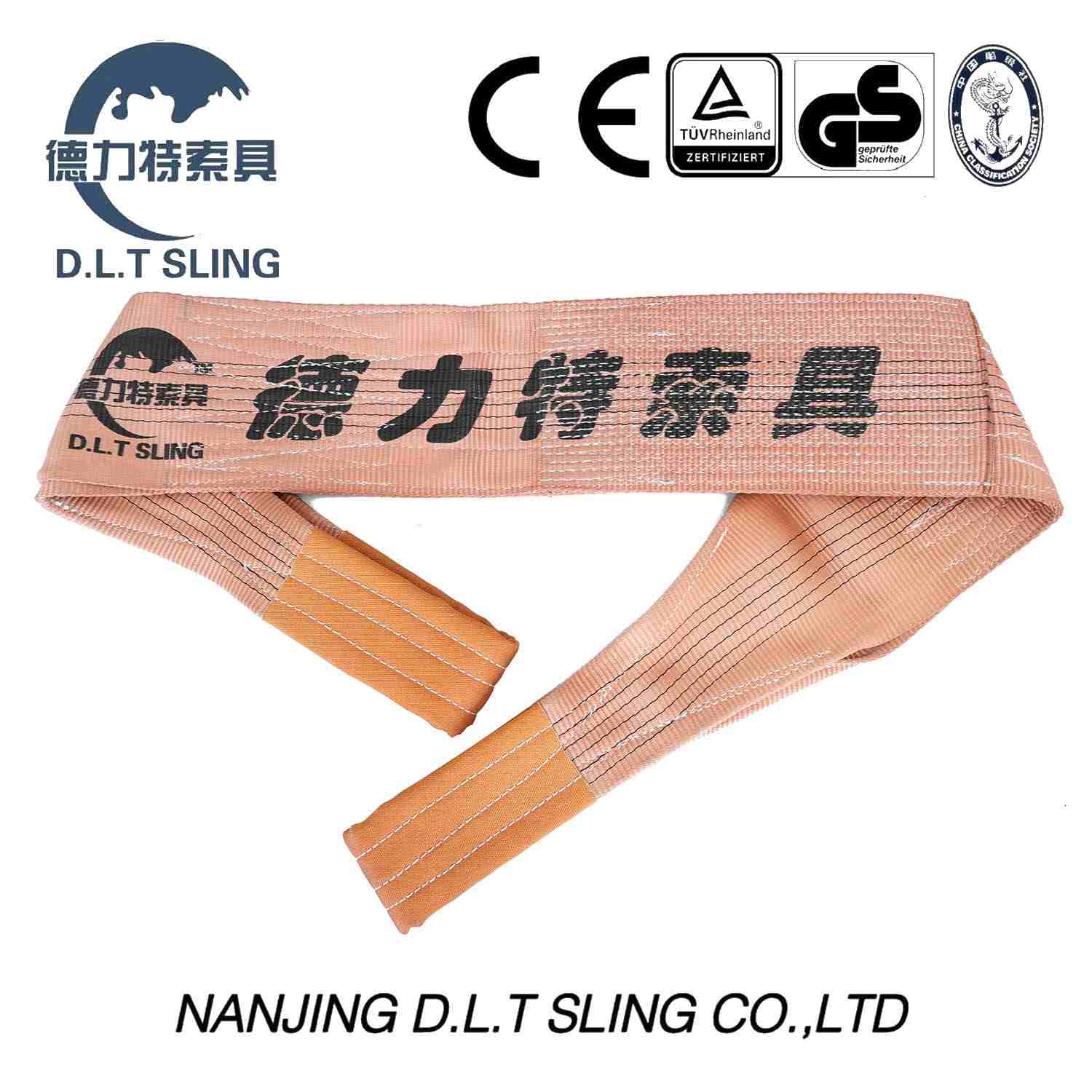
    Heavy lifting operations require reliable lifting equipment, and choosing the correct webbing sling is essential for both safety and efficiency. Whether you work in construction, manufacturing, logistics, or marine industries, understanding the different types of lifting slings can help reduce risks and improve productivity.


    What Is a Webbing Sling?

    A webbing sling is a lifting sling made from high-strength polyester webbing. Compared with steel wire ropes and chain slings, polyester webbing slings are lightweight, flexible, and easy to handle. They are widely used for lifting finished products, machinery, steel structures, and delicate equipment without causing surface damage.


    Factors to Consider When Choosing a Webbing Sling

    1. Working Load Limit (WLL)

    The first factor to consider is the required Working Load Limit (WLL). Never exceed the rated lifting capacity of the sling. Always select a sling with sufficient safety margin according to your lifting application.

    2. Sling Length

    Choosing the proper sling length ensures the correct lifting angle and minimizes stress on the sling. Common lengths range from 1 meter to over 20 meters depending on the application.

    3. Lifting Method

    Different lifting methods affect the sling capacity:

    • Vertical Lift
    • Choker Hitch
    • Basket Hitch

    Always refer to the load chart provided by the manufacturer.

    4. Safety Factor

    International standards specify different safety factors, including 5:1, 6:1, 7:1, and 8:1. Select the appropriate safety factor according to your local regulations and customer requirements.


    Advantages of Polyester Webbing Slings

    • Lightweight and easy to transport
    • Soft material protects delicate surfaces
    • High strength-to-weight ratio
    • Excellent flexibility
    • Corrosion resistant
    • Easy inspection before use


    Why Quality Matters

    A high-quality webbing sling should be manufactured using premium polyester yarn, reinforced stitching, durable protective sleeves, and clear identification labels. Products certified according to CE, GS, and ISO 9001 standards provide greater confidence in lifting safety.

    FLAT WEBBING SLING

  • What Is Ratchet Lashing? A Complete Beginner's Guide

    What Is Ratchet Lashing?

    When transporting goods by truck, trailer, rail, or container, keeping cargo securely in place is just as important as delivering it on time. Unsecured loads can shift during braking, cornering, or sudden acceleration, leading to damaged goods, vehicle instability, and safety risks.

    This is where ratchet lashing plays an essential role.

    A ratchet lashing system uses high-strength polyester webbing, a ratchet tensioning mechanism, and end fittings to secure cargo during transportation. It is widely used across logistics, construction, manufacturing, agriculture, and marine industries because it provides a reliable, reusable, and cost-effective method of cargo securing.

    Whether you are purchasing your first ratchet lashing straps or looking for a dependable supplier, understanding the basics will help you choose the right solution for your transportation needs.


    What Is a Ratchet Lashing System?

    A ratchet lashing is a load restraint device designed to prevent cargo from moving during transport.

    Unlike traditional ropes, which rely on knots and manual tension, a ratchet lashing system uses a mechanical ratchet buckle that allows the operator to tighten the webbing quickly while maintaining consistent tension throughout the journey.

    Most ratchet lashing systems include three essential components:

    • Polyester webbing
    • Ratchet buckle
    • End fittings (hooks or endless configuration)

    Together, these components create a secure load restraint system suitable for transporting a wide range of cargo.


    Main Components of Ratchet Lashing Straps

    Polyester Webbing

    The webbing is manufactured from high-tenacity polyester yarn, offering excellent strength while remaining lightweight and flexible.

    Compared with steel chains, polyester webbing is easier to handle and is less likely to damage painted or delicate cargo surfaces.

    Key advantages include:

    • High tensile strength
    • Low elongation under load
    • UV resistance
    • Moisture resistance
    • Excellent abrasion resistance

    Ratchet Buckle

    The ratchet buckle is responsible for applying and maintaining the required tension.

    Its locking mechanism prevents accidental loosening during transportation while allowing quick release when unloading.

    A high-quality ratchet buckle should feature:

    • Smooth operation
    • Corrosion-resistant finish
    • Strong steel construction
    • Reliable locking mechanism

    End Fittings

    Different transportation equipment requires different hook styles.

    Common end fittings include:

    • Double J Hooks
    • Flat Hooks
    • Claw Hooks
    • S Hooks
    • Wire Hooks
    • Delta Rings
    • Endless Ratchet Lashing (without hooks)

    Selecting the correct end fitting helps ensure that the strap remains securely attached throughout transportation.


    How Does Ratchet Lashing Work?

    Using a ratchet lashing strap is straightforward:

    Step 1: Position the cargo correctly on the vehicle.

    Step 2: Attach both ends of the strap to approved anchor points.

    Step 3: Feed the loose webbing through the ratchet spindle.

    Step 4: Operate the ratchet handle until the required tension is achieved.

    Step 5: Lock the ratchet and secure any remaining loose webbing.

    Once properly tensioned, the strap applies continuous pressure that minimizes cargo movement caused by vibration, braking, or cornering.

    ratchet lashing


    Common Applications

    Ratchet lashing systems are suitable for securing many different types of cargo, including:

    • Industrial machinery
    • Construction materials
    • Steel products
    • Timber
    • Palletized goods
    • Agricultural equipment
    • Shipping containers
    • Building supplies
    • Heavy equipment
    • Logistics and warehouse cargo

    Because of their versatility, ratchet tie down straps have become one of the most commonly used cargo restraint products worldwide.


    Why Choose Ratchet Lashing Instead of Rope?

    Although ropes are still used for some light-duty applications, ratchet lashing provides several important advantages.

    Ratchet Lashing Traditional Rope
    Consistent tension Manual tightening
    High load capacity Limited strength
    Fast installation Time-consuming
    Reusable Knots loosen easily
    Professional cargo securing Suitable only for light loads


    For commercial transportation, ratchet lashing offers greater safety, efficiency, and reliability.


    Understanding Lashing Capacity (LC)

    One of the most important specifications when selecting a ratchet lashing strap is its Lashing Capacity (LC).

    LC indicates the maximum force that the lashing system is designed to withstand during normal use.

    Many buyers mistakenly focus only on the width of the webbing. However, two straps with the same width may have different LC ratings depending on the webbing construction and hardware.

    Always choose a ratchet lashing strap according to:

    • Cargo weight
    • Transportation method
    • Applicable regulations
    • Required safety margin


    How to Choose the Right Ratchet Lashing Strap

    Before purchasing, consider the following factors.

    Webbing Width

    Common widths include:

    • 25 mm
    • 35 mm
    • 50 mm
    • 75 mm
    • 100 mm

    Strap Length

    Choose a length that allows the strap to wrap around the cargo while leaving enough webbing for proper ratchet operation.


    Hook Type

    Select end fittings that match your vehicle's anchor points and cargo securing system.


    Lashing Capacity

    Always verify that the LC meets your transportation requirements.


    Manufacturing Standard

    High-quality ratchet lashing straps are typically produced according to EN 12195-2, ensuring reliable performance and consistent quality.


    Inspection Before Every Use

    Regular inspection is essential for transportation safety.

    Before using a ratchet lashing strap, check for:

    • Cuts or tears in the webbing
    • Broken stitching
    • Burn marks
    • Chemical damage
    • Bent hooks
    • Cracked ratchets
    • Corrosion
    • Missing identification labels

    Any damaged strap should be removed from service immediately.


    Frequently Asked Questions

    1.Can ratchet lashing straps be reused?

    Yes. Ratchet lashing straps are designed for repeated use when they are properly inspected and maintained. Replace any strap showing signs of damage or excessive wear.


    2.Are polyester ratchet lashing straps waterproof?

    Polyester webbing absorbs very little moisture and performs well in wet environments. However, straps should always be cleaned and dried before long-term storage.


    3.What is the difference between LC and Breaking Strength?

    Lashing Capacity (LC) is the maximum working force used for cargo securing.

    Breaking Strength is the force at which the product may fail during laboratory testing. Products should always be selected according to the LC value rather than the breaking strength.


    4.Can ratchet lashing straps be customized?

    Yes. Many manufacturers provide OEM services, including:

    • Custom webbing colors
    • Private labels
    • Company logos
    • Various hook types
    • Different strap lengths
    • Custom packaging

    Looking for a Reliable Ratchet Lashing Manufacturer?

    Choosing the right supplier is just as important as choosing the right product.

    At NANJING D.L.T SLING, LTD, we manufacture high-quality polyester ratchet lashing straps for customers worldwide. We offer a wide range of webbing widths, lashing capacities, hook options, and OEM customization services to meet different transportation requirements.

    Our products are manufactured under a strict quality management system and can be supplied with CE, GS, and ISO 9001 certification, along with factory testing reports upon request.

    If you are looking for a reliable cargo securing solution or would like to discuss your OEM project, our team is ready to provide professional support and competitive quotations.

  • Adsorption and Desorption Process of Carbon Molecular Sieve

    carbon molecular sieves

    I. Adsorption Process: "Oxygen Capture" Under Pressure

    Adsorption is the stage where carbon molecular sieves "capture" impurity gases and enrich nitrogen, with pressure as the core driving force. Industrial applications usually adopt a double-tower alternating mode to ensure continuous gas production, and the single-tower adsorption process can be divided into three steps:


    1. Feed Pretreatment: Purifying the Air "Raw Material"

    Air is not a pure substance; it contains impurities such as oil, water, and dust, which can clog the micropores of carbon molecular sieves and shorten their service life. Therefore, compressed air first passes through a pretreatment system — an oil remover to eliminate oil stains, a dryer to remove moisture, and a filter to intercept dust — finally obtaining clean and dry compressed air with pressure raised to 6-8 bar, ready for adsorption.


    2. Selective Adsorption: Precise "Screening" of Oxygen and Nitrogen

    After entering the adsorption tower, the clean compressed air, under pressure, allows small molecules such as oxygen, carbon dioxide, and residual water vapor to quickly diffuse into the micropores of the carbon molecular sieve and be firmly adsorbed on the pore walls. In contrast, nitrogen molecules, due to their slow diffusion rate and weak interaction with the micropores, are barely adsorbed. They flow upward along the bed layer and are finally discharged from the top of the tower as product nitrogen with a purity of 99.9%-99.999%, which is collected and stored.


    3. Adsorption Saturation: The "Critical State" Before Switching

    As adsorption proceeds, the micropores of the carbon molecular sieve are gradually filled with impurities such as oxygen molecules, and the adsorption capacity reaches saturation. This process usually takes only about 1 minute. At this time, the pressure inside the tower is maintained at the adsorption pressure, and the system automatically triggers a switching command to prepare for the next desorption and regeneration step.


    II. Desorption Process: "Regeneration Ritual" After Depressurization

    Desorption (also known as desorption) is a key step for carbon molecular sieves to release adsorbed impurities and restore adsorption capacity, with the core logic of "breaking the adsorption equilibrium by depressurization". Similarly, taking a single tower as an example, the desorption process is divided into four steps to ensure thorough regeneration:


    1. Pressure Equalization and Depressurization: An Energy-Recycling "Transition Link"

    The tower saturated with adsorption stops air intake and is briefly connected (for about 10-30 seconds) to another tower at the end of desorption with lower pressure to achieve pressure equalization. This step not only quickly reduces the pressure of the saturated tower but also recovers part of the pressure energy to boost the pressure of the other tower, balancing efficiency and energy conservation.


    2. Desorption and Exhaust: The "Release Channel" for Impurities

    After pressure equalization, the saturated tower is connected to the atmosphere through an exhaust valve, and the pressure drops sharply to near atmospheric pressure. At this point, the adsorption equilibrium inside the micropores of the carbon molecular sieve is broken, and the previously adsorbed impurities such as oxygen, carbon dioxide, and water vapor desorb from the pore walls and are discharged out of the tower with the air flow (the exhaust gas is mainly oxygen and can be directly emitted).


    3. Flushing Enhancement: A "Key Step" for Deep Cleaning

    To thoroughly remove residual impurities in the tower and avoid affecting the next adsorption effect, the system introduces 5%-15% of product nitrogen to backwash the adsorption tower. High-purity nitrogen can displace the residual oxygen-containing exhaust gas in the tower and further activate the adsorption activity of the carbon molecular sieve.


    4. Pressure Boosting Preparation: Preparing for the Next Cycle

    After flushing, the pressure of the desorbed tower is raised back to the adsorption pressure through re-pressure equalization or supplementary compressed air, completing the entire regeneration process. It then waits to switch with the other tower and enters the next adsorption cycle.


    Any interestes or questions ,welcome to visit us at www.carbon-cms.com.

  • Application of Activated Alumina in the Hydrogen Energy Sector

    activated alumina


    With the accelerated development of the global hydrogen energy industry, materials science plays a pivotal role in this field. As a versatile material, activated alumina is exerting an indispensable role across multiple stages of the hydrogen energy industry chain.


    1.Hydrogen Production: High-Efficiency Catalyst Support for Reforming Reactions

    Activated alumina, owing to its high specific surface area, excellent pore structure, and thermal stability, serves as a critical catalyst support in steam reforming for hydrogen production.

    In the conversion of hydrocarbons such as natural gas and methanol into hydrogen, nickel-based or other precious metal catalysts require uniform dispersion on a stable support. The porous structure of activated alumina provides an ideal platform for dispersion, significantly enhancing catalyst activity and service life. Its surface acidic sites also promote the water-gas shift reaction, thereby improving hydrogen yield. Currently, over 70% of industrial hydrogen production units utilize activated alumina-based catalyst supports.


    2.Hydrogen Purification: High-Efficiency Adsorbent and Drying Medium

    Hydrogen purification is crucial for applications such as fuel cells, as even trace moisture can severely impact system performance. Activated alumina is the preferred adsorbent for deep drying of hydrogen.

    Compared to silica gel and molecular sieves, activated alumina demonstrates unique advantages in drying high-flow-rate hydrogen: high mechanical strength, resistance to compression and abrasion; strong affinity for water molecules with minimal hydrogen adsorption; and the ability to be regenerated and reused thousands of times. In modern pressure swing adsorption (PSA) hydrogen production units, activated alumina acts as a pre-drying layer, protecting subsequent molecular sieve adsorbents and extending the lifespan of the entire system. Its low-energy regeneration characteristics also align with the cost-reduction demands of the hydrogen energy industry.


    3.Hydrogen Storage Material Development: Key Component in Composite Hydrogen Storage Systems

    Solid-state hydrogen storage is an important direction for hydrogen energy applications, and activated alumina demonstrates remarkable potential in novel composite hydrogen storage materials.

    Studies show that nano-activated alumina, as an additive, can significantly improve the hydrogen storage kinetics of metal hydrides (e.g., magnesium-based, borohydrides). Its mechanisms include providing fast diffusion channels for hydrogen atoms, preventing agglomeration of hydrogen storage particles, and reducing hydrogen desorption temperatures. This "nanoconfinement" effect increases the hydrogen absorption and desorption rates of composite materials several-fold while lowering the operating temperature by 50–100°C, offering new possibilities for onboard hydrogen storage systems.


    4.Fuel Cell Systems: Guardian of Gas Purification

    Proton exchange membrane fuel cells (PEMFCs) have extremely high requirements for hydrogen purity, and activated alumina undertakes multiple purification tasks within these systems.

    In fuel cell inlet pipelines, activated alumina filters simultaneously remove moisture, trace oil mist, and particulate impurities from hydrogen, protecting the expensive membrane electrode assembly. Additionally, in fuel cell reformers, activated alumina-based catalysts promote the preferential oxidation of CO (PROX), reducing CO concentrations to below 10 ppm and preventing catalyst poisoning. This "multifunctional material" characteristic simplifies system design and enhances reliability.


    5.Hydrogen Energy Infrastructure: Core Drying Unit in Hydrogen Refueling Stations

    Hydrogen refueling stations are critical nodes for hydrogen transportation, and activated alumina ensures that the quality of dispensed hydrogen meets international standards such as SAE J2719.

    During compression and cooling processes at hydrogen refueling stations, activated alumina dryers deeply remove moisture, preventing ice blockages and corrosion. Its high strength withstands frequent pressure cycling (35–70 MPa), while specially modified surface treatments enable the simultaneous adsorption of multiple impurities. Some advanced hydrogen refueling stations employ activated alumina membrane separation technology to further enhance hydrogen recovery rates. As the global hydrogen refueling network expands, demand for this application is growing rapidly.


    The "traditional" material of activated alumina is being revitalized through continuous innovation in the "emerging" field of hydrogen energy, providing robust support for the global energy transition. Selecting suitable activated alumina products has become a key consideration in the design and optimization of hydrogen energy systems.


    For more information on activated alumina, please visit www.carbon-cms.com.

  • Applications of 4A Molecular Sieve in Eco-friendly Daily Chemicals

    4A molecular sieve

    To enhance cleaning performance, manufacturers of traditional detergents typically add phosphate as a builder. Phosphate functions to soften water by preventing calcium and magnesium ions in water from combining with surfactants in detergents to form scale, thereby ensuring the soil-removing capacity of surfactants. However, phosphate has a fatal drawback: environmental pollution. When phosphate-containing detergent wastewater is discharged into rivers and lakes, it causes eutrophication, spawning massive algal blooms that deplete dissolved oxygen in water, leading to fish and shrimp mortality and disrupting the aquatic ecological balance. With the tightening of environmental policies, phosphate-free detergents have become the mainstream of industry development, and 4A molecular sieve has emerged as the optimal alternative to phosphate.


    As a phosphate-free builder, the application of 4A molecular sieve in laundry powder and liquid detergent relies on the synergistic effect of its ion exchange and adsorption properties. On the one hand, it softens water through ion exchange to remove calcium and magnesium ions, avoiding scale formation and enabling surfactants in detergents to exert their soil-removing effect to the fullest, thus boosting cleaning performance—this effect is particularly pronounced in hard water areas. On the other hand, it can adsorb dirt particles and odor molecules in water, playing an auxiliary role in decontamination and deodorization. Meanwhile, it absorbs moisture in detergents to prevent caking of laundry powder, improving the fluidity and stability of the product.


    Compared with phosphate, 4A molecular sieve boasts irreplaceable environmental advantages as a builder: it is non-toxic, harmless and non-corrosive, causing no irritation to human skin and no water pollution. After ion exchange, the 4A molecular sieve is ultimately discharged with detergent wastewater and degrades slowly in the natural environment without causing secondary pollution. In addition, 4A molecular sieve features relatively low cost and is compatible with large-scale industrial production, making it widely used in various daily chemical products such as laundry powder, liquid detergent and dish soap, and becoming a core raw material for phosphate-free daily chemicals.


    Beyond daily chemical detergents, the ion exchange property of 4A molecular sieve also finds limited applications in the water treatment field. For example, it is used to remove calcium and magnesium ions in drinking water softening to improve the taste of drinking water; in industrial water softening, it is applied to the softening of boiler water and circulating water to prevent boiler scaling and pipeline corrosion, extending the service life of equipment. It should be noted, however, that 4A molecular sieve has a limited ion exchange capacity. In the water treatment field, it usually needs to be used in combination with other ion exchange resins to achieve better softening effects.


    From industrial drying to daily chemical environmental protection, the 4A molecular sieve has broken industry boundaries with its versatile functions and emerged as an all-rounder that combines practicality with environmental friendliness.


    Any interestes or questions ,welcome to visit us at www.carbon-cms.com.

  • Applications of Molecular Sieves in Daily Life

    molecular sieves


    When people mention molecular sieves, most tend to regard them as an "industrial exclusive" material hidden in chemical plants and laboratories, having nothing to do with our daily life. In fact, this is far from the truth. Molecular sieves have long permeated every aspect of our clothing, food, housing and transportation. Relying on their excellent drying and adsorption properties, they silently safeguard the quality of our life and solve many trivial troubles in daily life—we just often overlook their existence.


    I. Home Life

    Hollow glass is a common decoration material in our homes. It insulates sound and heat, enhancing living comfort, yet few know that the durability of hollow glass is entirely guarded by molecular sieves. A certain amount of molecular sieves is sealed in the interlayer of hollow glass, whose core function is to adsorb moisture and residual organic substances in the interlayer. This keeps the hollow glass clean and transparent, extends its service life, and makes the home environment tidier and more durable.

    Besides, air conditioners and refrigerators at home are also inseparable from molecular sieves. In the refrigeration systems of air conditioners and refrigerators, the dryness of the refrigerant directly affects the refrigeration effect and equipment service life. If the refrigerant contains moisture, it will cause icing and blockage of the refrigeration system, and even corrode pipelines and compressors. Molecular sieves can efficiently remove moisture from the refrigerant, improve the refrigeration effect, protect refrigeration equipment, make air conditioners and refrigerators operate more stably and energy-efficiently, and at the same time extend their service life and reduce maintenance costs.


    II. Food and Pharmaceuticals

    In food packaging, molecular sieves are often made into food desiccants and widely used in biscuits, potato chips, candies, nuts and other foods. They can adsorb moisture in the packaging, maintain the dryness of food, prevent food from mildewing, caking and deteriorating, and extend the shelf life of food. Compared with traditional desiccants, molecular sieve desiccants have a large adsorption capacity and high adsorption efficiency. They are non-toxic, tasteless and pollution-free, will not cause secondary pollution to food, and can better protect food safety and taste.

    The role of molecular sieves in pharmaceutical packaging is even more important. Many pharmaceuticals (such as tablets, capsules and powdered drugs) are highly sensitive to moisture. When damp, they will undergo hydrolysis, discoloration and inactivation, and even produce toxic and harmful substances that endanger human health. Molecular sieves can accurately adsorb moisture in pharmaceutical packaging, control the moisture content within a safe range, maintain the stability and efficacy of pharmaceuticals, extend their shelf life, and protect the safety of medication. For example, a small amount of molecular sieves is placed in the packaging of antibiotics, vitamins and other pharmaceuticals, silently guarding the quality of the drugs.


    III. Beauty and Skin Care

    For beauty lovers, cosmetics are an indispensable part of daily life, and molecular sieves have also quietly integrated into the beauty and skin care industry to safeguard the safety of our skin care. Raw materials for cosmetics (such as fragrances, essential oils and active ingredients) often contain trace moisture and impurities, which will affect the stability of cosmetics, leading to their deterioration and inactivation, and even irritating the skin.

    Molecular sieves can efficiently purify cosmetic raw materials, remove moisture and impurities from them, and improve the purity of the raw materials, thereby enhancing the stability and safety of cosmetics. For example, in the production of fragrances and essential oils, molecular sieves can remove trace moisture from them, prevent their deterioration and preserve their unique fragrance; in the production of skin care products, molecular sieves can purify active ingredients, remove impurities, reduce skin irritation, and make skin care products more effective and safer.


    IV. Transportation Sector

    The cars we drive daily also cannot do without the support of molecular sieves, which not only help save energy and reduce consumption, but also safeguard travel safety. A certain amount of oil gas is generated in the fuel tank of a car. If the oil gas is directly leaked into the air, it will not only pollute the environment but also waste fuel. Molecular sieves can adsorb the oil gas in the fuel tank and recycle it, which not only reduces environmental pollution caused by oil gas leakage but also saves fuel, achieving energy conservation and consumption reduction.

    At the same time, in the production of gasoline and diesel, molecular sieves can improve oil quality and lower the freezing point of oil products. Especially in cold winter, gasoline and diesel with a low freezing point can avoid icing, enabling cars to start normally in low-temperature environments and safeguarding travel safety. In addition, the molecular sieve catalyst in the automobile exhaust treatment system can efficiently degrade harmful components in exhaust gas, reduce automobile exhaust pollution and protect air quality.


    For more information ,please click www.carbon-cms.com.