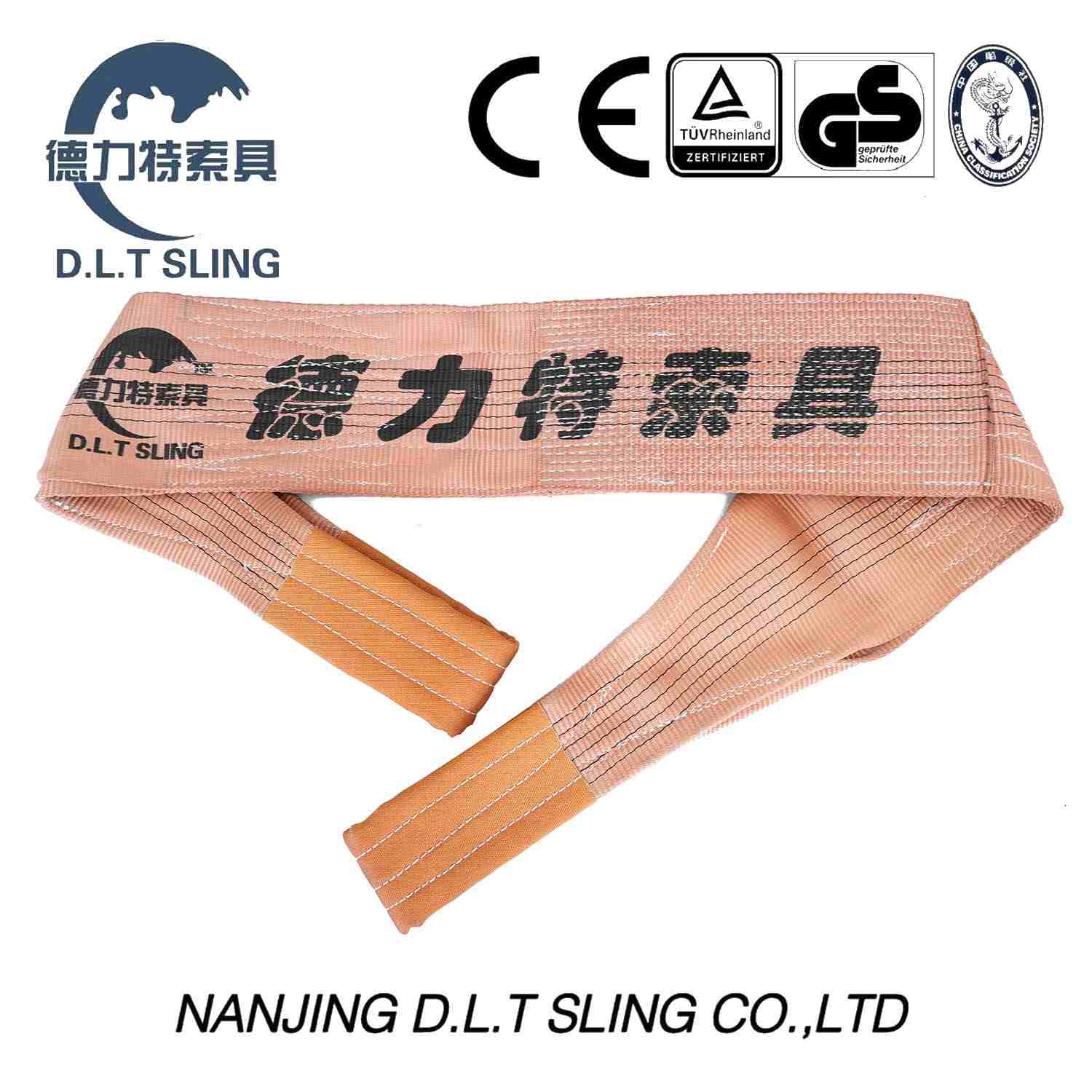
Lifting slings are essential tools in material handling, construction, logistics, and industrial applications. Whether you're lifting heavy machinery, securing cargo, or managing loads in a warehouse, choosing the right lifting sling can significantly impact safety, efficiency, and durability. This guide introduces the fundamental aspects of lifting slings, including their types, materials, specifications, and common applications.
1. Types of Lifting Slings
Lifting slings come in various designs, each suited for different lifting needs. The most common types include:
a. Webbing Slings
Webbing slings are made from polyester or nylon fabric, offering flexibility and lightweight handling. These slings are ideal for lifting delicate or finished surfaces since they do not damage the load.
-
Pros: Soft, lightweight, flexible, and corrosion-resistant.
-
Cons: Less durable against sharp edges and high temperatures.
-
Common Uses: Lifting machinery, construction materials, and cargo handling.
b. Round Slings
Round slings consist of multiple strands of polyester or nylon yarn enclosed in a protective fabric sleeve. These slings distribute weight evenly and provide a secure grip on loads.
-
Pros: High strength, lightweight, and flexible.
-
Cons: Susceptible to cuts if not protected properly.
-
Common Uses: Heavy machinery lifting, marine applications, and industrial settings.
c. Chain Slings
Chain slings are made from high-strength alloy steel chains, offering maximum durability and resistance to harsh environments. These slings are best for lifting extremely heavy loads.
-
Pros: Heat-resistant, durable, and suitable for rugged use.
-
Cons: Heavy and prone to corrosion if not properly maintained.
-
Common Uses: Foundries, shipyards, and construction sites.
d. Wire Rope Slings
Wire rope slings are made from strands of steel wire twisted into a robust rope, providing excellent strength and durability. These slings are widely used in industrial and marine applications.
-
Pros: High tensile strength and resistant to abrasion.
-
Cons: Less flexible than webbing or round slings.
-
Common Uses: Heavy lifting in construction, offshore industries, and cranes.
e. Metal Mesh Slings
Metal mesh slings are constructed from interwoven steel wires, offering superior durability for lifting abrasive or hot materials.
-
Pros: Heat-resistant and strong.
-
Cons: Heavier and less flexible.
-
Common Uses: Foundries and metalworking industries.
2. Materials of Lifting Slings
Lifting slings are manufactured using different materials to cater to specific lifting requirements. The primary materials include:
-
Polyester: Lightweight, UV-resistant, and low stretch. Suitable for delicate loads and outdoor applications.
-
Nylon: Higher elasticity than polyester, offering shock absorption. Ideal for dynamic lifting applications.
-
Steel (Alloy and Wire Rope): Provides high durability and strength, best for heavy-duty applications.
3. Lifting Sling Specifications
When selecting a lifting sling, understanding key specifications ensures safe and effective operations:
a. Load Capacity (Working Load Limit - WLL)
Each sling has a rated working load limit, which varies based on material and sling type. Exceeding this limit can lead to failures and accidents.
b. Sling Length and Width
The length and width of a sling determine its lifting capacity and the type of load it can handle. Wider slings provide better weight distribution.
c. Safety Factor
Slings are designed with a safety factor (typically 5:1 or 7:1 for synthetic slings and 4:1 for steel slings), ensuring they can handle multiple times their rated capacity under ideal conditions.
d. End Fittings and Attachments
Different slings feature various end fittings such as hooks, shackles, or loops to enhance versatility and safety.
4. Common Applications of Lifting Slings
Lifting slings are used in various industries depending on their properties:
-
Construction: Lifting beams, pipes, and concrete structures.
-
Manufacturing: Moving heavy machinery and industrial components.
-
Logistics & Warehousing: Cargo securing and transportation.
-
Maritime & Offshore: Shipbuilding and offshore rigging.
-
Automotive & Aerospace: Handling large vehicle components and aircraft parts.
5. Best Practices for Safe Use of Lifting Slings
To ensure the longevity of lifting slings and workplace safety, follow these best practices:
-
Inspect Before Use: Check for signs of wear, cuts, abrasions, and deformations.
-
Use Proper Protection: Use corner protectors or sleeves to prevent damage to the sling and load.
-
Follow Load Limits: Never exceed the rated capacity of the sling.
-
Store Properly: Keep slings in a dry, cool place, away from chemicals and direct sunlight.
-
Train Personnel: Ensure workers are educated on proper handling and safety guidelines.
Understanding the basics of lifting slings—types, materials, specifications, and applications—can help you make informed choices for your lifting needs. Whether using webbing slings for delicate loads or chain slings for extreme lifting conditions, selecting the right equipment is essential for efficiency and safety. By adhering to best practices and maintenance guidelines, you can enhance the durability and performance of lifting slings in your operations.