• What are Aerosol Cans Used For?

    |

    The use of aerosol cans is very extensive, mainly including the following aspects:

    Medical industry: aerosol cans are widely used in the medical industry to store and transport medical aerosols, such as inhaled aerosol and aerosol, and medical oxygen. The materials used to make storage cans must comply with hygiene standards to ensure the safety and effectiveness of drugs.

    Paper industry: In the paper industry, aerosol cans are used to store chemicals that need to be added during pulp production. These drugs usually exist in gaseous or liquid form, and are stored in aerosol cans to ensure the quality and effectiveness of the drugs, as well as facilitate pipeline transportation.

    Industrial field: Aerosol cans are widely used in industrial fields, such as photovoltaic crystalline silicon, semiconductor manufacturing, heavy industry manufacturing, etc., to ensure the safety and efficiency of industrial production
    Laboratory: In the laboratory, aerosol cans are used to store liquefied gases and other unstable gases, facilitating the operation of experiments and ensuring their safety.

    Other applications: Aerosol cans are also used to store various chemical solvents and cleaning agents, such as isopropanol (IPA), and are widely used for cleaning work in electronic assembly and repair processes. In addition, aerosol canning machines are widely used in industrial, chemical, daily chemical, pharmaceutical and other industries, mainly for self painting, insecticides, cleaning agents and other products.

  • Usage of Butane Gas

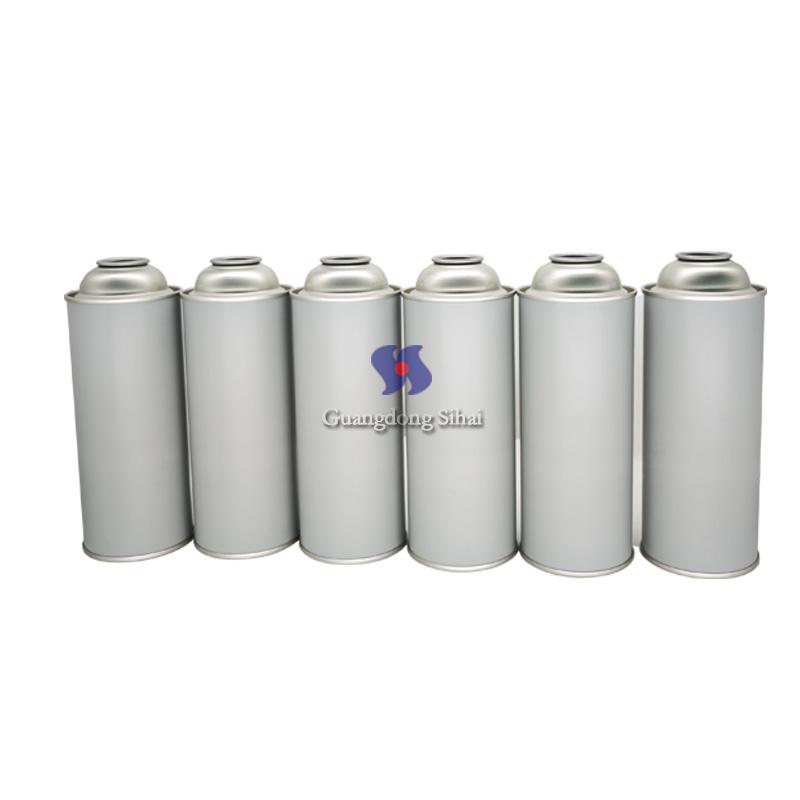
    Butane Gas Can (Cassette gas cylinders) have many uses and are widely used in different fields. Whether in cooking, camping, medical rescue, or in instrumentation, car anti-theft and other industries, cassette gas cylinders play an irreplaceable and important role.


    ---------------------------------------------------

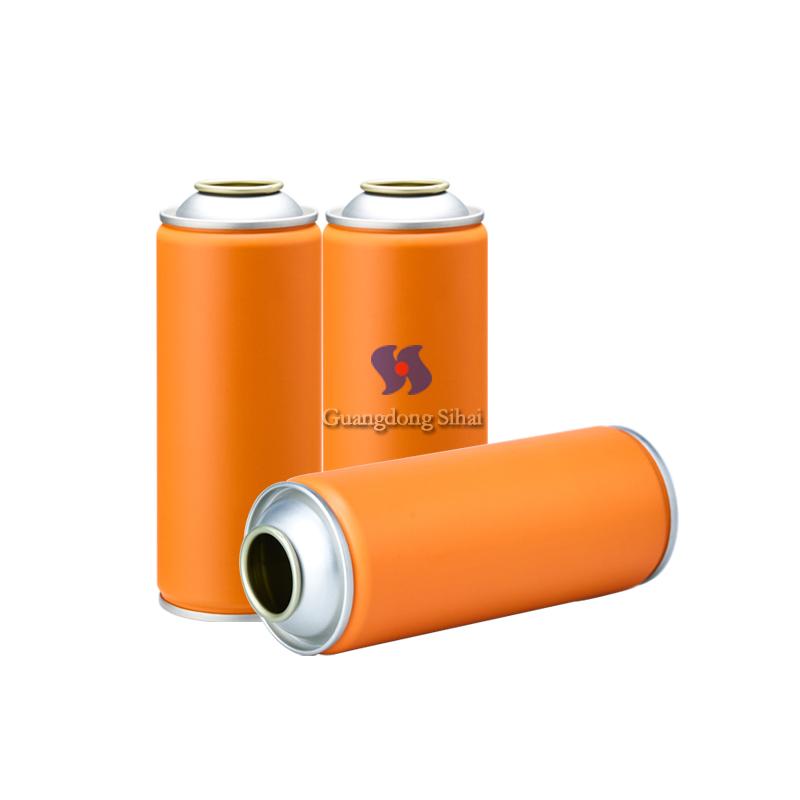
    Size: diameter 65*159mm

    Body tin thickness: 0.20mm

    Aerosol cone tin thickness: 0.35mm

    Aerosol dome tin thickness: 0.32mm

    Deformation pressure ≥13.5 bar

    Burst pressure ≥15.0 bar

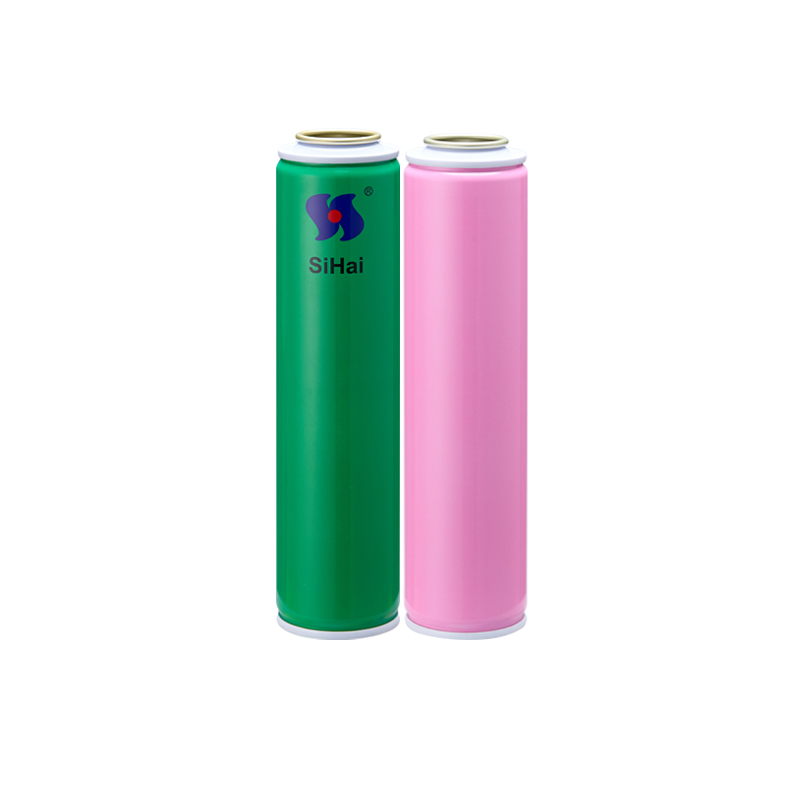
    Outside printing: CMYK

    Inside Lacquer: clear


    Why are Straight-Wall cans more suitable for butane gas products?

    The reason why straight-wall cans are more suitable for butane gas products is mainly due to their structure and design. Straight-wall cans typically have a more stable and uniform wall thickness, which allows them to perform better when subjected to internal pressure. In addition, the design of straight-wall cans makes them easier to maintain stability during filling and use, reducing the risk of leakage and explosion.


    Secondly, the manufacturing process of straight-wall cans is relatively simple and cost-effective, which makes them more advantageous in large-scale production. Meanwhile, the shape of straight-wall cans also makes them more convenient and space saving during transportation and storage.


    Finally, the material of straight-wall cans usually has high strength and corrosion resistance, which makes them more durable during use and extends the product's lifespan. Therefore, straight-wall cans are considered more suitable for use in butane gas products.

  • Why Artwork Proofing Is Critical for Custom Aerosol Tin Can Printing

    Why Artwork Proofing Is Critical for Custom Aerosol Tin Can Printing

    In the aerosol packaging industry, product quality is not only determined by can performance and sealing reliability. For brands competing in today’s market, packaging appearance has become equally important. A high-quality printed aerosol tin can directly influences customer perception, brand recognition, and purchasing decisions.

    At SiHai, we understand that a flawless final product begins long before mass production starts. Precision in tinplate printing requires strict control, professional communication, and detailed artwork verification. That is why we place great importance on our artwork proofing process to ensure every custom aerosol can perfectly matches our customer’s expectations.


    Why Artwork Proofing Matters in Aerosol Tin Can Manufacturing

    Printing on tinplate is very different from standard paper or plastic printing. Factors such as metal surface reflection, coating performance, color tolerance, can curvature, and production positioning all influence the final result.

    Without a proper proofing process, problems may occur during production, including:

    • Color differences between design and finished cans

    • Missing or unclear small details

    • Incorrect barcode or logo positioning

    • Text distortion near cone and dome areas

    • Printing alignment deviation after can forming

    For this reason, SiHai follows a strict multi-step verification system before mass production begins.


    Step 1: Digital Artwork Proofing


    After receiving the customer’s artwork file, our professional design and Quality Assurance team immediately conducts a detailed review.

    During this stage, we carefully check:

    • Artwork dimensions and layout

    • CMYK and PANTONE color settings

    • Barcode clarity and readability

    • Font compatibility and missing elements

    • Printing position on the aerosol can template

    • Safety margins for rolling and seaming areas

    Because aerosol cans are formed from printed tinplate sheets, some areas near the top and bottom must reserve production margins to avoid text or graphics being rolled into the seams during manufacturing.

    If any issue is identified, our team communicates with the customer immediately to adjust and optimize the artwork before approval.

    Normally, the digital proofing process can be completed within 2–3 working days.


    Step 2: Color Range Board Approval


    Color consistency is one of the most important requirements for branded aerosol packaging.

    After digital artwork approval, SiHai produces physical Color Range Boards based on the actual tinplate printing process. These boards define the acceptable color tolerance range, including:

    • Light Limit

    • Dark Limit

    • Approved production color standard

    This process is extremely important because the appearance of colors on tinplate can differ from digital screens due to metal reflection, varnish effects, and printing conditions.

    By approving the Color Range Board before production, customers can clearly confirm the expected final printing effect and ensure all future production batches maintain stable color consistency.


    Step 3: Pre-Production Sample (PPS)


    Before official mass production begins, SiHai creates a Pre-Production Sample using the actual production line and manufacturing process.

    This allows customers to review:

    • Final printing appearance

    • Color accuracy

    • Gloss or matte varnish effect

    • Seam positioning

    • Overall visual presentation

    • Compatibility with filling line requirements

    The PPS serves as the final confirmation step before large-scale production proceeds.

    For urgent orders, and only with customer approval, production may proceed based on approved color boards first, while the PPS is sent together with the first production batch for confirmation.


    Why Customers Choose SiHai for Aerosol Tin Can Printing

    With nearly 30 years of manufacturing experience, SiHai has built a complete production and quality management system for aerosol packaging.

    Our advantages include:

    • Advanced Japanese Fuji printing equipment

    • CMYK + PANTONE printing capability

    • Professional tinplate coating solutions

    • Strict color control procedures

    • Experienced technical and QC teams

    • Fast communication during artwork confirmation

    • Stable mass production quality

    We believe that excellent packaging starts with excellent communication. Every project is treated carefully to ensure the customer’s brand image is accurately reproduced on every aerosol can.


    Partner with SiHai for Reliable Aerosol Packaging Solutions

    At SiHai, we are committed to helping customers achieve both product safety and premium packaging appearance. Whether you require custom aerosol cans, printed tinplate, cones and domes, or complete aerosol packaging support, our team is ready to assist you professionally and efficiently.

    If you are looking for a reliable aerosol tin can manufacturer in China, feel free to contact us for:

    • Artwork evaluation

    • Sample support

    • Printing consultation

    • Technical recommendations

    • Customized aerosol packaging solutions

    .

  • Bentonite Sodium Modification & Ultra-fine Grinding Integrated Process

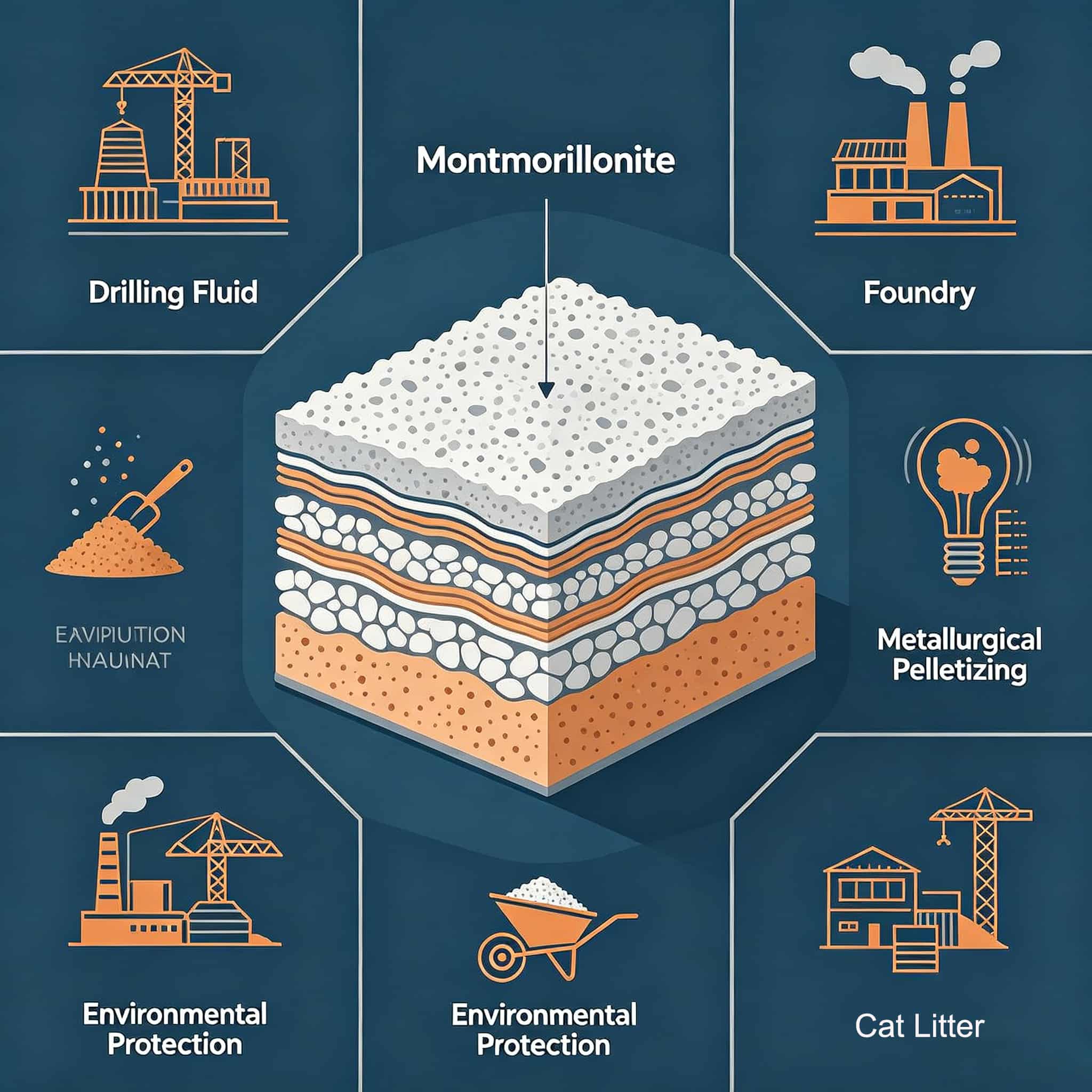
    Bentonite is a natural clay mineral predominantly composed of montmorillonite. Thanks to its excellent water absorption, swelling capacity and colloidal properties, it is widely used in drilling fluids, foundry, metallurgical pelletizing, environmental protection, cat litter and other fields. Nevertheless, the performance of natural bentonite (especially calcium-based bentonite) often fails to directly meet the requirements of high-end applications. It therefore needs sodium modification to improve its swelling ratio and colloidal activity, followed by ultra-fine grinding to achieve the required fineness and specific surface area.

    Traditional processes carry out modification, drying and grinding in separate steps, which results in lengthy production flows, a large number of supporting equipment, high energy consumption and unstable product quality. The integrated process combining sodium modification and ultra-fine grinding of bentonite is developed precisely to address these pain points.

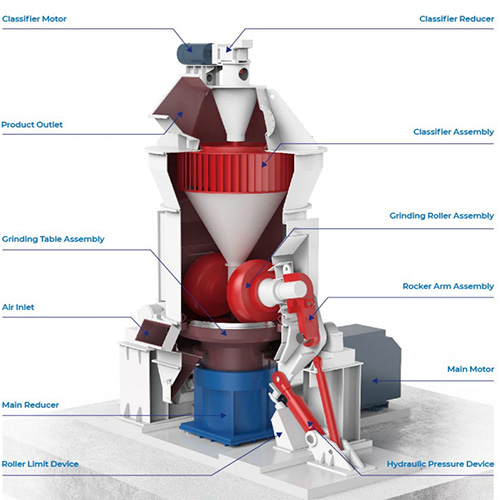
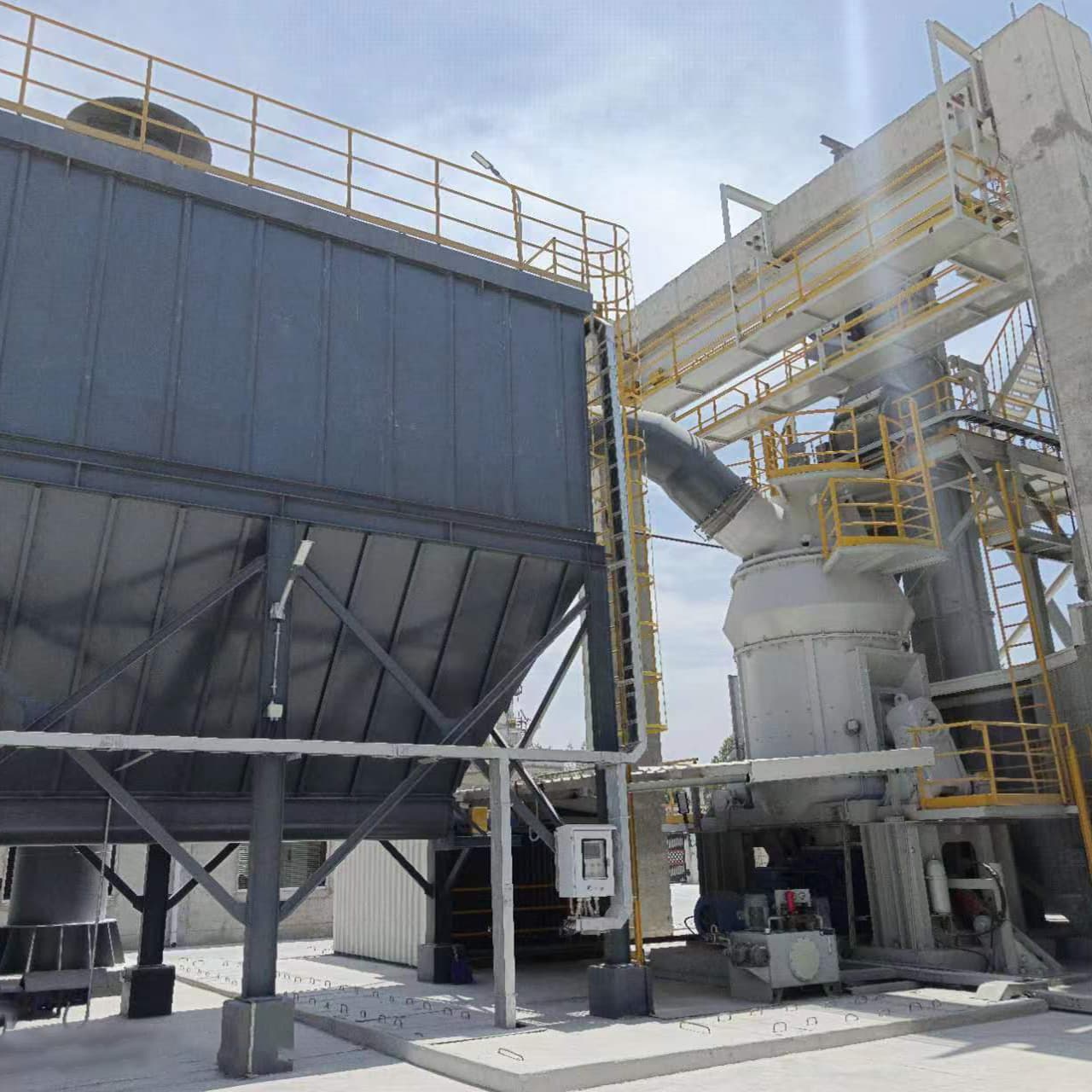
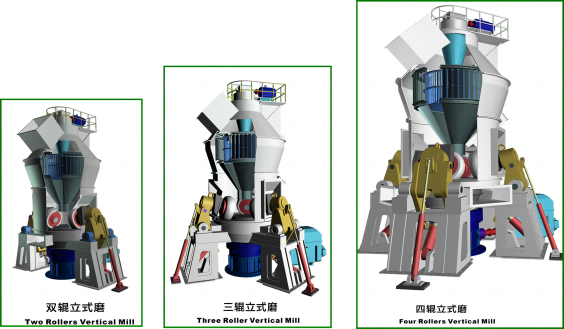
    Bentonite Vertical Mill

    Core Logic of the Integrated Process

    This process integrates the sodium activation reaction and grinding into a single piece of equipment (such as a vertical roller mill). The basic workflow is as follows:

    1. Raw material pre-treatment: After crushing, the raw ore is mixed with a sodium activator (e.g., sodium carbonate) and an appropriate amount of water in proportion, then enters a mixer for pre-blending.

    2. Integrated grinding and activation: The blended material enters the vertical roller mill, where crushing, drying, and sodium activation are completed simultaneously during the grinding process. The mill's hot air system provides the required temperature for the reaction, while the mechanical activation effect generated by grinding accelerates ion exchange.

    3. Classification and collection: The ground material is classified by the classifier. Qualified fine powder enters the dust collector, while coarse powder is returned to the grinding table for further grinding.

    4. Packaging: The finished product is homogenized and then packaged for shipment.


    Compared with the traditional multi-step process, the integrated solution reduces multiple pieces of equipment to just one, eliminates intermediate handling steps, and can reduce operator headcount by over 40%.

    How the Sodium Modification Reaction Is Completed In-line?

    The essence of sodium modification lies in the ion exchange between calcium ions and sodium ions within the interlayers of calcium-based montmorillonite. This process enlarges the interlayer spacing of montmorillonite and greatly improves its swelling property. Inside the vertical mill, materials are continuously crushed and dried under the combined action of hot air and grinding pressure. Fresh montmorillonite surfaces are constantly exposed, allowing the sodium modifier to evenly coat the particles and rapidly penetrate into the interlayer structure.


    The mechanochemical effect generated during grinding can reduce the activation energy of the reaction, enabling the sodium modification reaction to proceed efficiently at a relatively low temperature. Generally, the mill outlet temperature is controlled within 80–120 °C to meet reaction requirements and prevent structural damage to montmorillonite caused by excessive temperature.

    • Bentonite Vertical Pulverizer

    • Vertical Mill for Bentonite Milling

    • Bentonite Raw Ore Vertical Grinder


    Main Advantages of Integrated Process

    Comparison Items                  Traditional Step-by-Step Process                                                         Integrated Process       

    Equipment Quantity                Crushing + Modification + Drying + Grinding + Classification          Completed by One Vertical Mill

    Land Occupation Area             Big                                                                                                         Small floor area, saving 40%-60% space

    Energy Consumption               High (Multiple hot air heating)                                                          Low (Single hot air completes drying and reaction)

    Product Quality                        Large batch-to-batch fluctuation                                                      Stable and controllable with automatic adjustment

    Investment Cost                       High                                                                                                   Low, with an overall cost saving of 20%-30%

    Besides, the integrated closed-circuit system minimizes dust emission for a better workshop working environment. Equipped with a PLC automatic control system, it enables real-time adjustment of feed rate, hot air temperature and classifier speed to guarantee stable compliance of product fineness (200 mesh, 325 mesh) and modification indicators (swelling capacity ≥12 mL/g).

    Application Scenarios

    • Bentonite for drilling fluid: It requires high swelling capacity and stable viscosity. The integrated process enables precise control of the sodium modification degree.
    • Bentonite for casting: High hot and wet strength is required. Bentonite treated via integrated modification delivers stronger binding force.
    • Bentonite for metallurgical pellets: It needs a fineness of over 325 mesh with uniform sodium modification to enhance pellet strength.
    • Cat litter & environmental adsorption materials: These products demand high water absorption and large specific surface area, which can be achieved in one step through the integrated solution.

    Key Technical Points and Equipment Selection

    The core of the integrated process lies in the model selection of the HVM vertical mill. The following indicators are recommended for focus:

    • Grinding table diameter and number of grinding rollers: These determine production capacity and grinding efficiency, and are generally selected according to the target output (e.g., 5–30 t/h).
    • Hot air system: A hot blast stove or waste heat utilization device shall be equipped to realize adjustable inlet temperature (200–350°C) and precise control of outlet mill temperature.
    • Classifier efficiency: Higher classification efficiency delivers more stable finished product fineness and reduces over-grinding.


    • Material of wear-resistant parts: Bentonite contains hard minerals such as quartz. High-chromium cast iron or ceramic composite grinding rollers are recommended to extend service life.

    Conclusion

    The integrated process integrating bentonite sodium activation modification and ultrafine grinding consolidates the modification reaction and pulverization into a single working procedure. This innovative technology drastically streamlines the production workflow, reduces overall energy consumption and capital & operational costs, while significantly enhancing the consistency and stability of finished product quality. For bentonite manufacturers seeking to boost product added value and expand into high-end market segments, this technical solution merits in-depth feasibility assessment.


    Should you intend to construct a new bentonite processing production line or implement technical upgrading on your existing facility, we welcome in-depth technical communication with your team. We are capable of delivering tailor-made process design schemes and professional equipment selection recommendations in strict accordance with your raw material characteristics, finished product specifications and designed production capacity. We stand ready to respond to your inquiries at any time.

    Please Contact Me


  • Dense Phase Pneumatic Conveying Bin Pump Working Principle & Selection Benefits

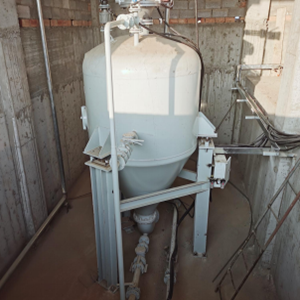
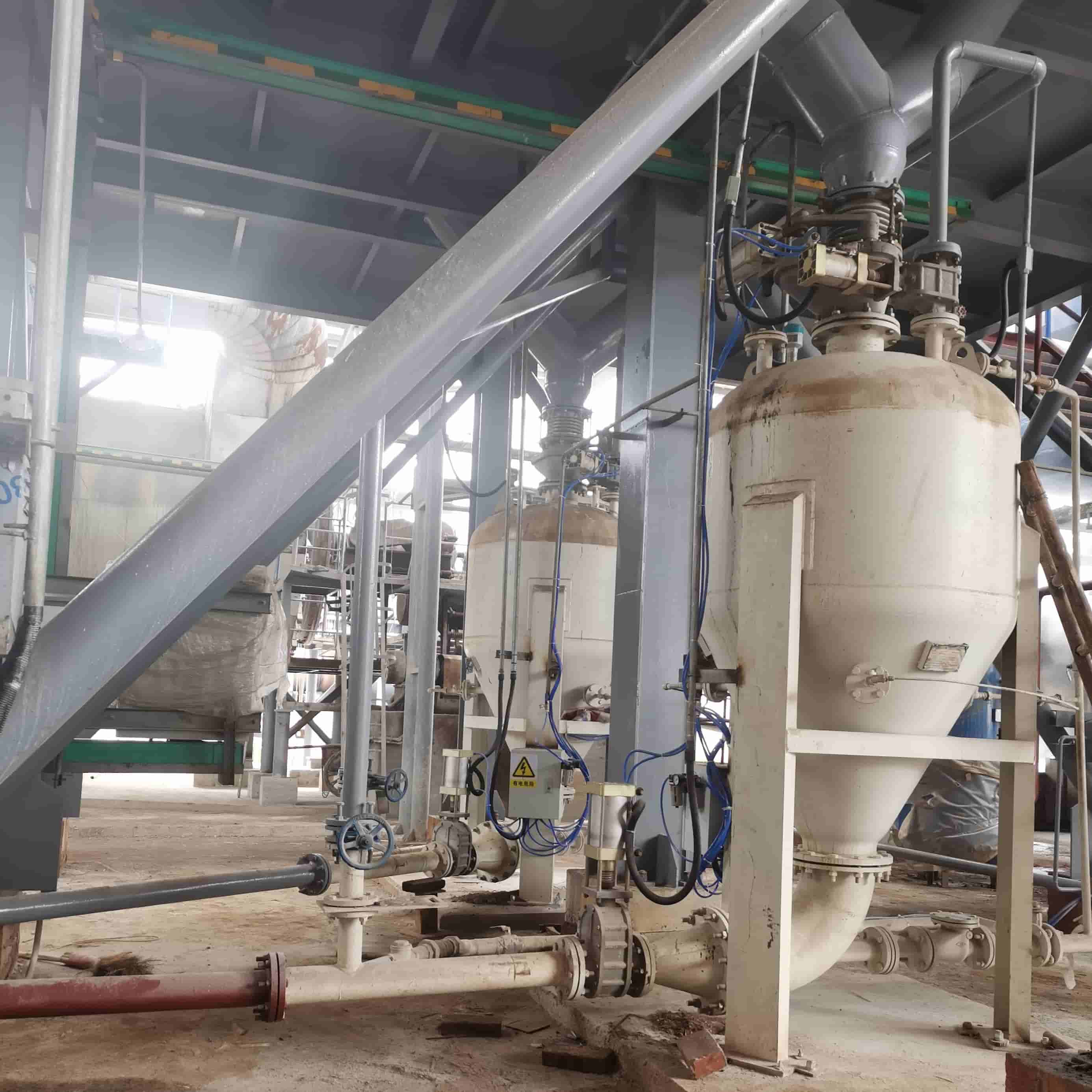
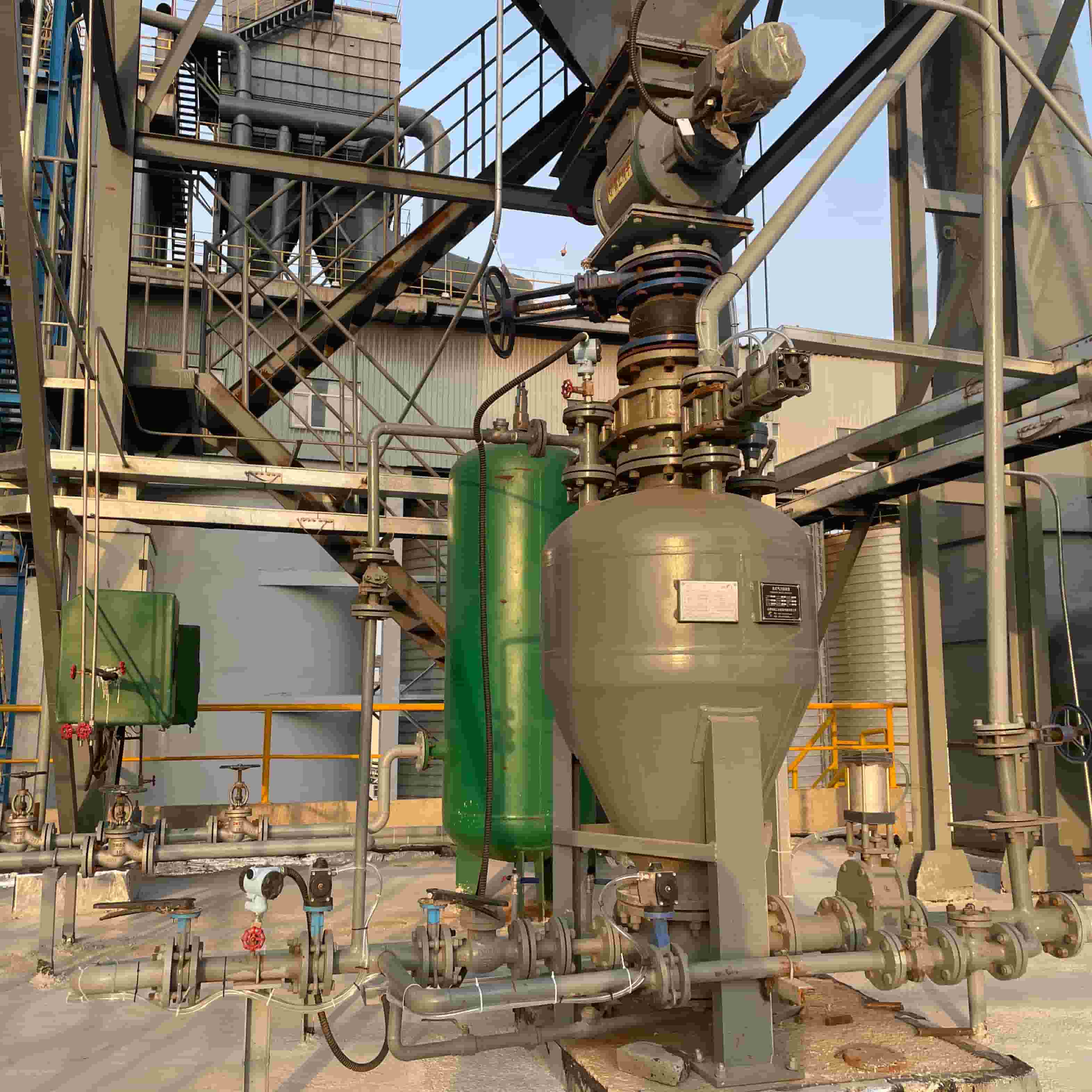
    The pneumatic conveying bin pump is the core equipment of a dense phase conveying system, also known as a sending tank. It is widely used in power plants, cement plants, chemical plants, and mining for enclosed conveying of fly ash, cement, slag, lime powder, and other dry bulk materials. Compared to dilute phase systems, it offers low wear, low energy consumption, dust-free operation, and long-distance conveying — making it the mainstream solution for industrial powder conveying.

    • Dense Phase Bin Pump

    • Dense Phase Bin Pump

    • PLC Automatic Bin Pump

    I. Core Working Principle of Pneumatic Conveying Bin Pump

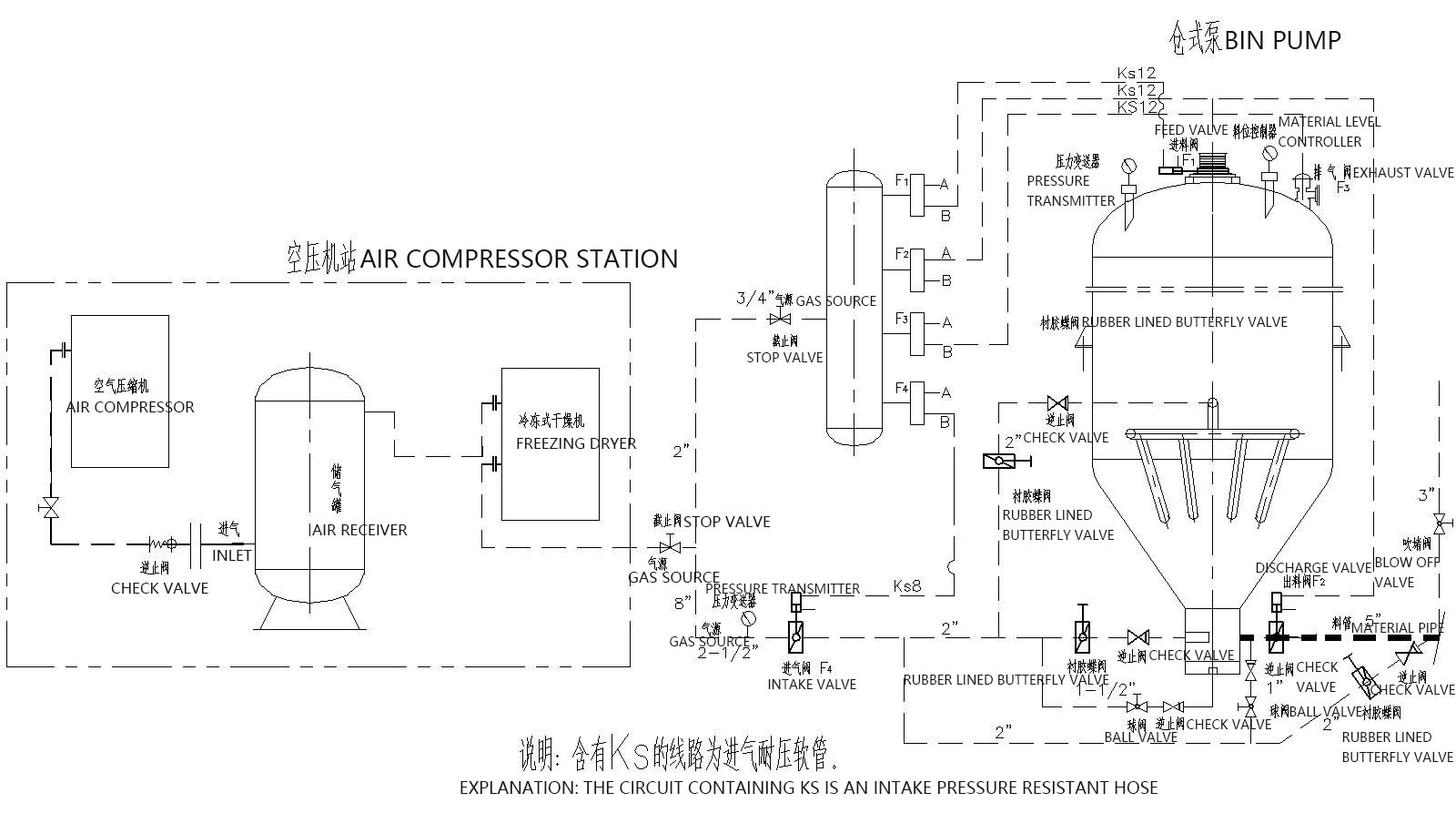
    The bin pump is an intermittent dense phase pneumatic conveying device with PLC automatic control for unattended cyclic operation. The process includes four steps:

    Step Action

    1 Automatic feeding until tank is full, then inlet valve closes

    2 Compressed air pressurizes and fluidizes the powder

    3 Pressure difference pushes material through pipeline (bottom discharge design prevents clogging)

    4 Tank automatically releases pressure and starts next cycle


    II. Key Advantages of Bin Pump

    ✅ Dust-Free & Eco-Friendly – Fully enclosed, zero dust leakage, meets environmental standards

    ✅ Low Wear Fly Ash Bin Pump & Long Life – Dense phase low-speed conveying + wear-resistant tank, lower maintenance cost

    ✅ High Capacity & Energy Saving – Less air consumption, supports long-distance conveying, customizable tank volume

    ✅ Wide Material Compatibility – Stable for fly ash, cement, mineral powder, chemical powders; anti-clogging design

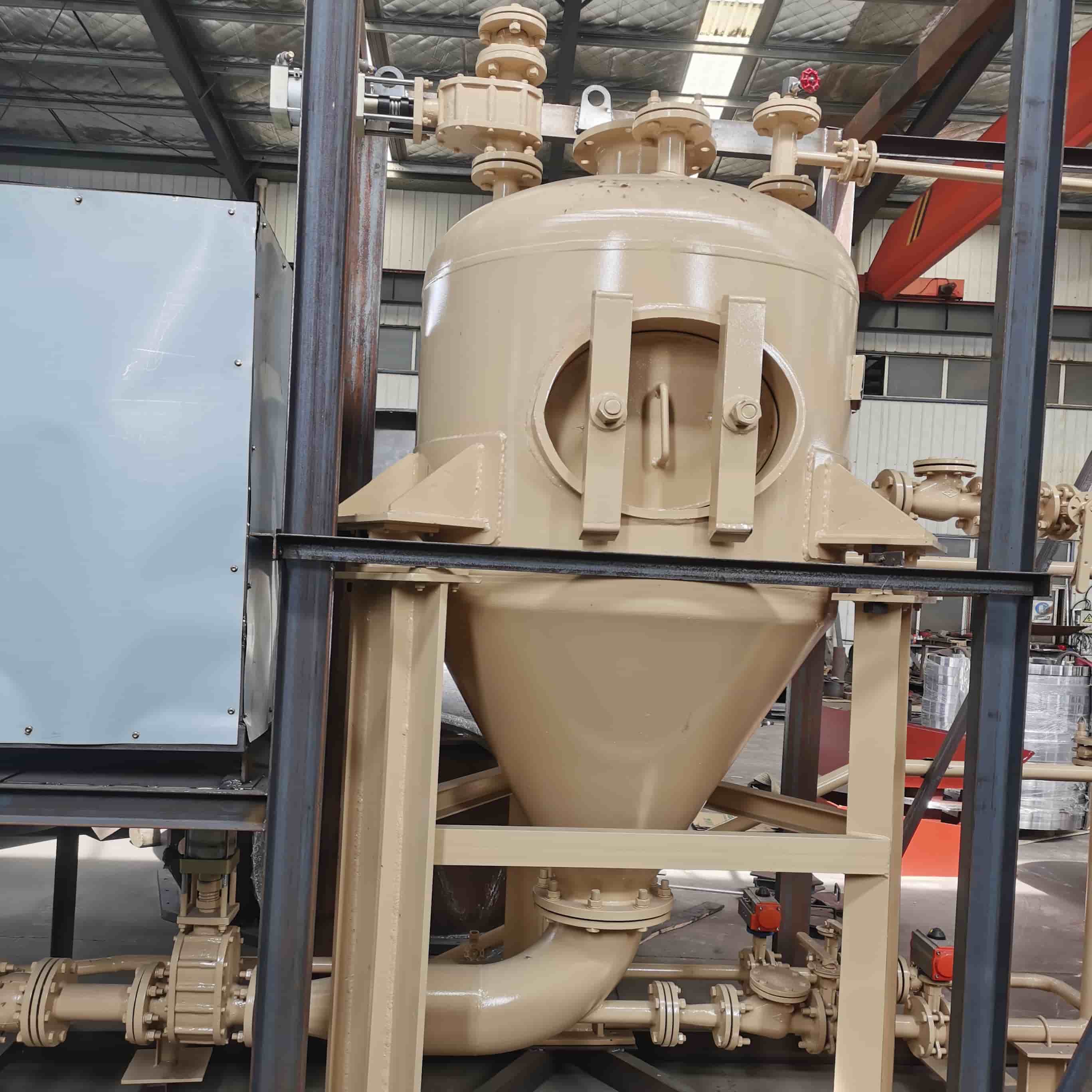
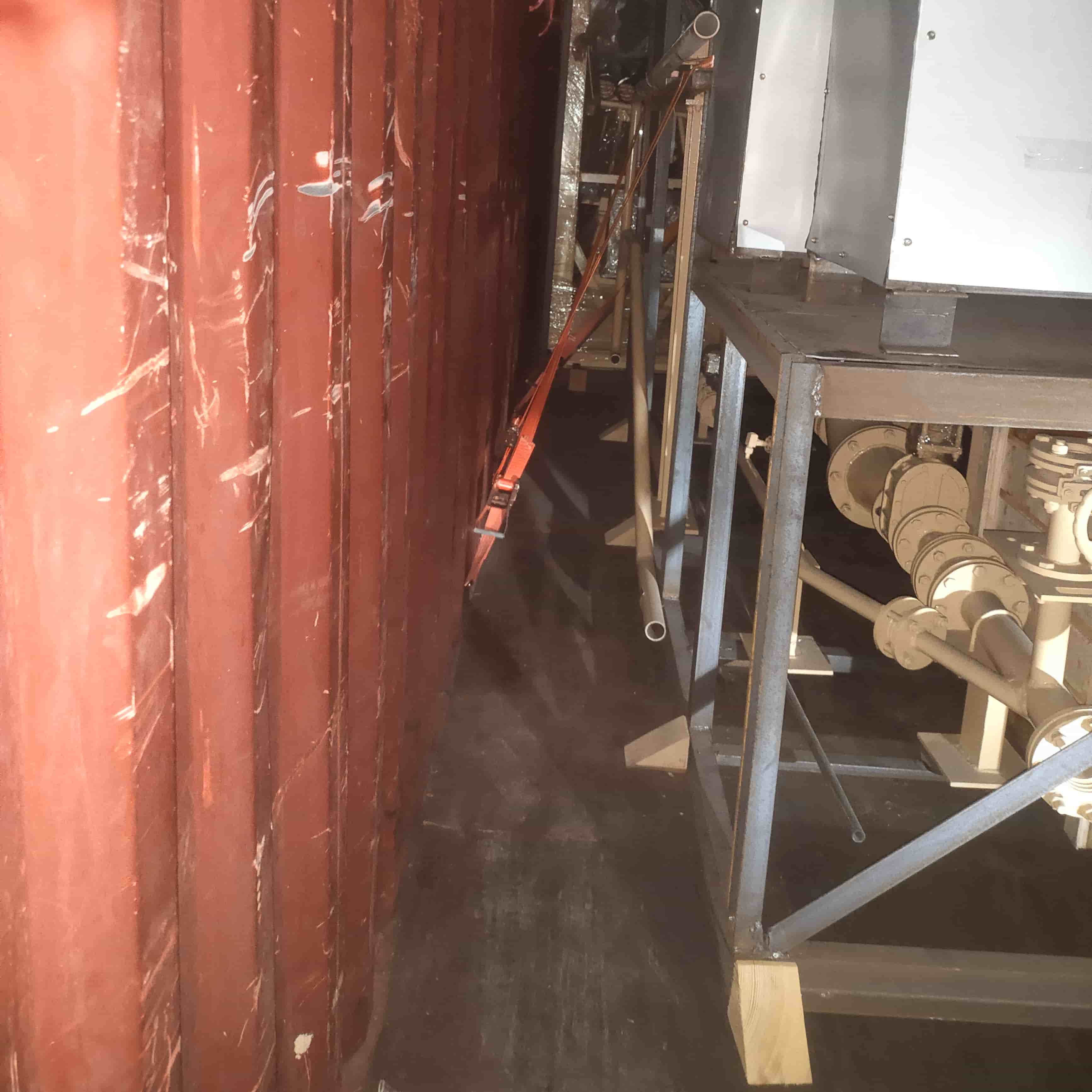
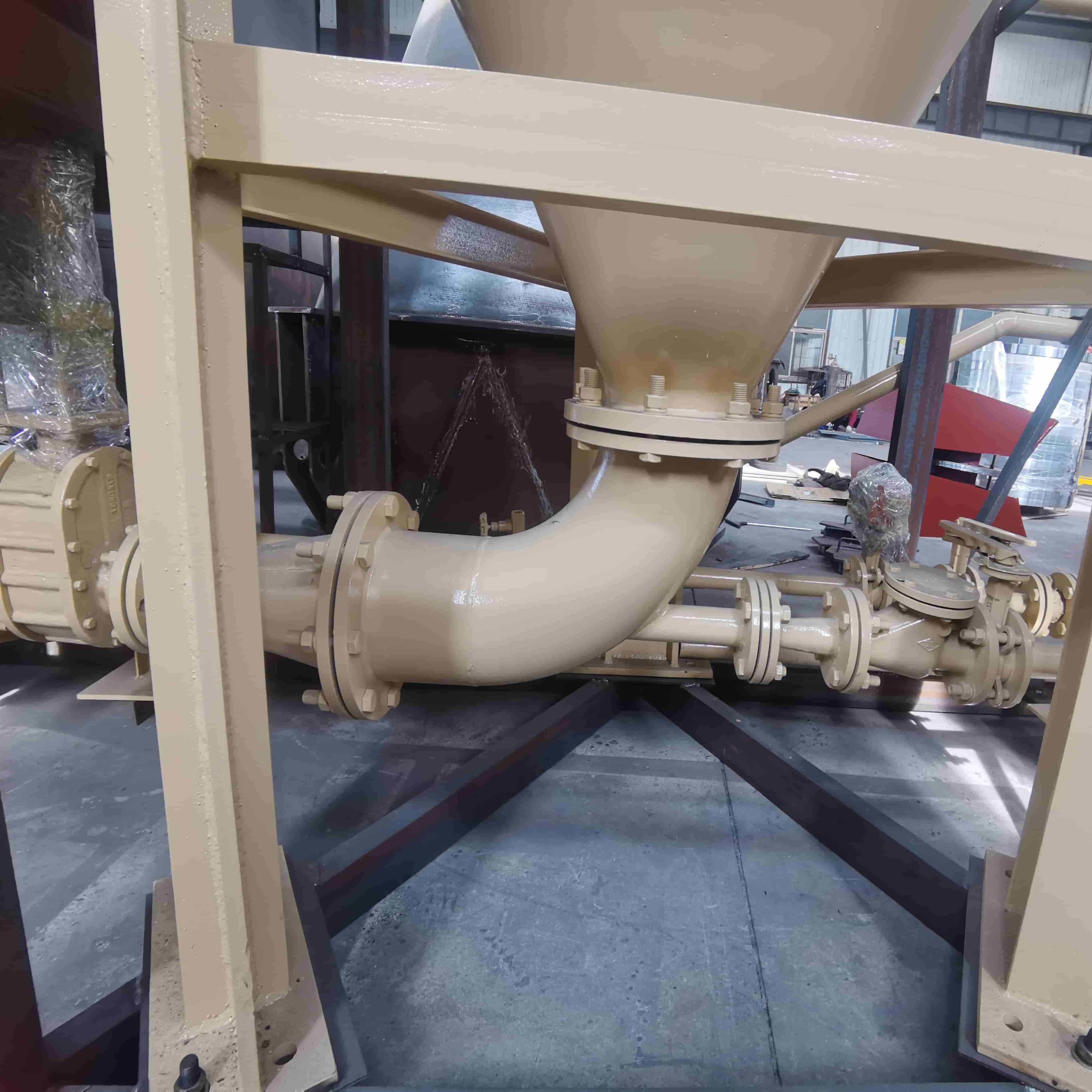
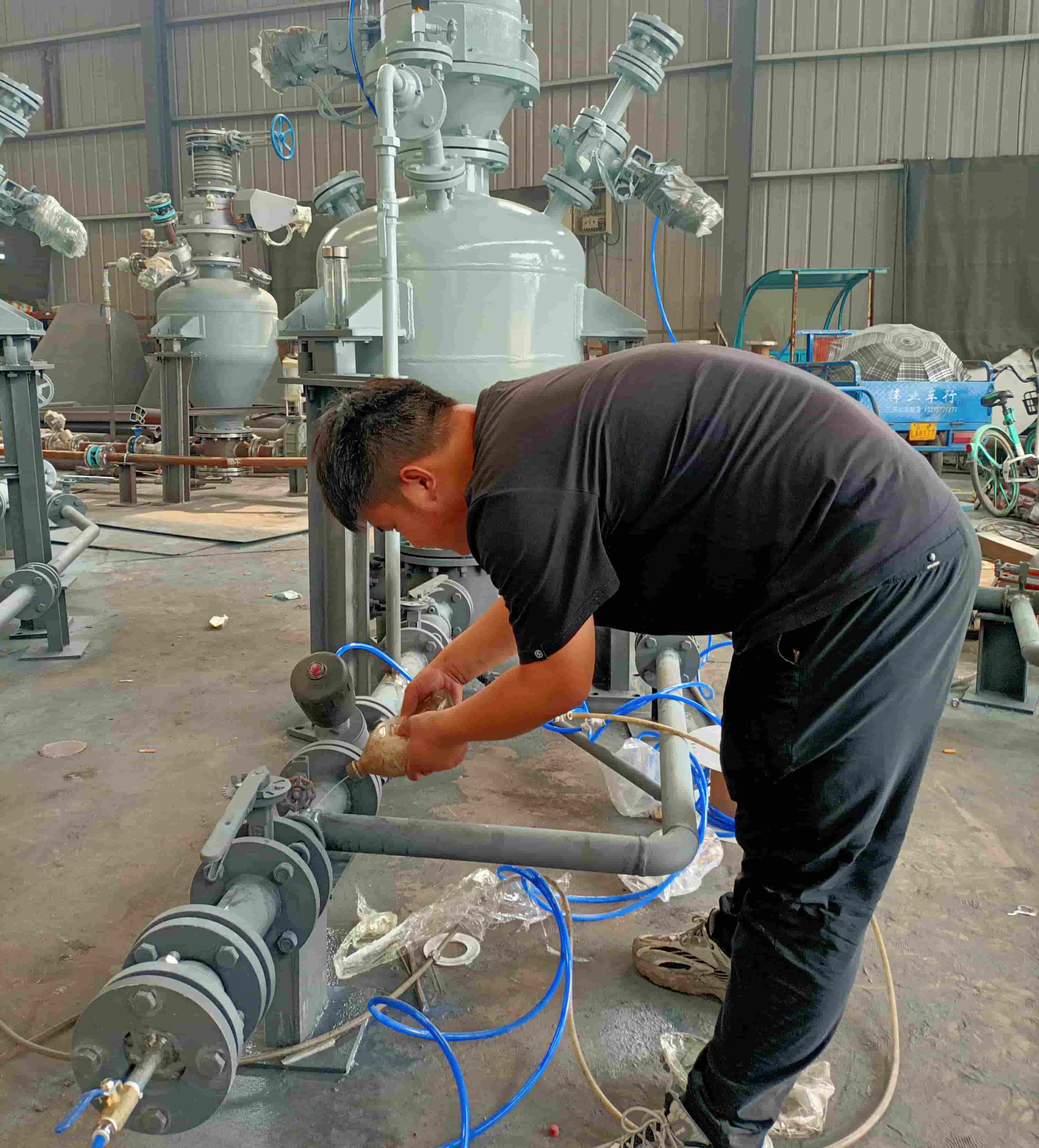
    Caption:Low Wear Fly Ash Bin Pump On-site Test Operation


    III. Main Applications

    Power Plants – Fly ash conveying

    Cement Plants – CEnergy Saving Cement Powder Bin Pump

    Metallurgy & Mining – Mineral & lime powder conveying

    Chemical Industry – Enclosed dry chemical powder transfer

    👉 Heavy Duty Long Distance Bin Pump available for extreme conditions – higher pressure resistance & longer distance.

    •  

    Summary

    Environmental compliance and automation are the future of industry. Energy-efficient pneumatic conveying bin pumps are becoming the ideal replacement for outdated conveying equipment. Proper selection based on your actual operating conditions not only improves efficiency but also helps control long-term operating costs.

    Have a project in mind? Contact us for a solution and quote.

  • How to Choose the Right Vertical Roller Mill

    Choosing the right Vertical Roller Mill (VRM) is a critical decision that affects your plant's efficiency, product quality, and operating costs. Since you previously inquired about air knockers (used on hoppers/silos), I assume you are looking at the entire system, likely for grinding raw materials, coal, or cement clinker. Here is a step-by-step guide in English on how to select the appropriate Vertical Roller Mill:


    1. Define Your Application (Material Type)

    VRMs are versatile, but they are typically optimized for specific materials.

    Cement Raw Meal: Grinding limestone, clay, shale. Requires high drying capacity if material is wet.

    Cement Clinker: Grinding clinker into finished cement. This requires higher grinding pressure and is harder on the mill than raw grinding.

    Slag (GGBFS): Grinding granulated blast furnace slag. This requires a very high grinding force and special table/bowl design. Mills for slag are often larger and more robust.

    Coal / Petcoke: Requires an explosion-proof design (inert gas, explosion vents).


    2. Key Technical Parameters to Consider

    You must provide the manufacturer with these specifications:

    Throughput (Capacity): How many tons per hour do you need? (e.g., 200 tph).

    Feed Moisture: How wet is the incoming material? This determines the mill's drying capacity (gas flow and temperature).

    Feed Size: What is the maximum size of the chunks entering the mill?

    Product Fineness: How fine does the final product need to be?

    Example: Raw meal: 12-16% R 90µm (residue on 90-micron sieve).

    Example: Cement: 3000-5000 cm²/g (Blaine).


    3. Mill Configuration

    Different manufacturers have different philosophies. You need to choose based on your maintenance preferences:

    Grinding Table & Rollers: Look at the tyre (tire) design.

    Integrated tyres: Cheaper to replace, but require welding for hard-facing.

    Segmented liners: Easy to replace individual pieces without welding.

    Hydraulic System: The system that applies pressure to the rollers. Ensure it has an accumulator to absorb vibration and maintain consistent pressure.

    Separator (Classifier): This is the "brain" of the mill regarding fineness.

    Static separators: Old tech, low efficiency.

    Dynamic separators (High-efficiency): Highly recommended. Allows you to adjust fineness while running and improves energy efficiency.


    4. Peripheral Equipment (The System)

    Air Knocker: Since you asked about them earlier, ensure the feed bin and ducts are equipped with air cannons/knockers to prevent blockages of sticky material entering the mill.

    Mill Fan: Must be sized correctly to provide sufficient airflow to lift the product to the separator.

    Dust Collector (Baghouse): Must handle the volume of air and fine dust.


    5. Checklist of Questions to Ask Suppliers

    When comparing quotes, ask these specific questions to ensure you are comparing "apples to apples":

    Specific Power Consumption: (kWh/t). The lowest is usually best.

    Noise Levels: (dB). VRMs can be loud; ensure it complies with local regulations.

    Vibration Limits: What is the guaranteed vibration level during start-up and normal operation?

    Wear Part Life: How many operating hours can I expect from the table liners and rollers before needing to replace or re-weld them?

    Maintenance: How difficult is it to change a roller? Does the mill have a swing-out system so we can service rollers without a huge crane?


    Choose a mill that is "over-dimensional" just enough—meaning it should run at 80-90% of its maximum capacity for peak efficiency, not at 99%. A mill running flat-out will have high wear and low reliability.


  • Maximizing Profit How VRMs Cut Your Operating Costs

    1. Introduction: The Bottom-Line Impact

    The Challenge: Traditional grinding mills (like ball mills) are energy hogs and maintenance intensive.

    The VRM Solution: Vertical Roller Mills are designed from the ground up for efficiency. They lower costs in four key areas: Energy, Maintenance, Capital Expenditure (Capex), and Product Quality (which impacts downstream profit).


    2. Cost Reduction #1: Energy Efficiency (The Biggest Saver)

    The 30-50% Rule: VRMs typically consume 30% to 50% less electrical energy than traditional ball mills.

    Why? The grinding principle is more efficient. It uses a combination of pressure and shear rather than impact and attrition (which generates heat and noise waste).

    Impact: Directly lowers your monthly electricity bill—the single largest operating cost in a cement or mining plant.


    3. Cost Reduction #2: Lower Maintenance & Wear

    Fewer Moving Parts: A VRM is a simpler, more compact machine than a ball mill system (which requires a heavy gearbox, many liners, and steel balls).

    Longer Wear Life: Grinding rollers and table segments are designed for long life and can be hard-faced (rebuilt) multiple times, unlike ball mill liners which must be completely replaced.

    No Grinding Media Cost: You never have to buy steel balls again.

    Impact: Reduces downtime and the cost of replacement parts and labor.


    4. Cost Reduction #3: Integrated Drying (Process Simplification)

    The Built-In Dryer: VRMs use hot gas flowing through the mill to dry material while it is being ground.

    Why this saves money: It eliminates the need for a separate external rotary dryer.

    Impact: Lower capital expenditure (one machine does the work of two) and less floor space required.


    5. Cost Reduction #4: Consistent Product Quality (The "Hidden" Profit)

    Precise Control: The built-in classifier (separator) allows for very precise control of product fineness.

    The Result:

    For cement: Higher strength development (allows you to use less clinker, which is expensive to make).

    For raw meal: Better burnability in the kiln.

    Impact: A better product means lower overall plant costs and potentially a higher selling price.


    6. Summary: The VRM Advantage

    Lower Power Bills

    Less Downtime

    Simpler Process

    Better Product Quality


    Final Message: Investing in a Vertical Roller Mill isn't just buying a machine; it's investing in a lower cost structure and higher profitability for the life of your plant.


  • Vertical Coal Mill Selection 5 Core Parameters You Must Get Right

    Choosing the right vertical coal mill is a critical decision that directly determines your plant's production efficiency, product quality, and long-term return on investment. Whether you are involved in power generation, cement production, coal chemical industry, or any other field requiring pulverized coal preparation, the selection process must be based on real data and tailored to your specific operational requirements.

    Compared to traditional ball mills, the vertical coal mill integrates drying, grinding, classifying, and conveying into one compact, highly efficient system. Therefore, the selection must strictly align with your raw material characteristics and actual production conditions.

    This article will break down the five core selection criteria, all centered around raw material properties and process requirements, helping plant managers, procurement officers, and engineering professionals avoid common mistakes and select a vertical coal mill that delivers stable performance, energy savings, and low failure rates.

    1. Raw Coal Properties: The Foundation of Selection

    The characteristics of your raw coal are the starting point for all vertical coal mill selection work. Differences in coal hardness, grindability, and abrasiveness directly determine the mill model, the material of the grinding rollers and table, and the configuration of the hot gas system.

    Three key raw coal properties to evaluate:

    Coal Type: Lignite, bituminous coal, anthracite, etc., have completely different physical and chemical properties. Lignite has high moisture and low hardness, requiring a mill with strong drying capability. Anthracite is hard and highly abrasive, requiring high-wear-resistant roller liners.

    Hardness & Abrasiveness: Coal with high ash content or hard impurities like pyrite causes significant wear on grinding rollers and the table. For highly abrasive coal, it is recommended to choose wear-resistant components to extend service life and reduce maintenance costs.

    Hardgrove Grindability Index (HGI): The higher the HGI value, the easier the coal is to grind and the lower the power consumption. For hard coal with a low HGI, you need a vertical coal mill with a high-pressure grinding structure and higher power rating.

    Professional tip: Always conduct a raw coal sample test before selection. Reputable manufacturers offer free material grinding tests to provide accurate model recommendations based on your actual coal data.

    2. Required Output (t/h)

    This is your basic production requirement. However, you must consider a capacity margin.

    Rule of thumb: It is recommended to design the mill with a 10-15% margin above your desired output. This compensates for the natural decline in grinding efficiency as the rollers wear over time.

    Compared to traditional ball mills, vertical coal mills save 30%–50% energy, meaning lower installed power and reduced electricity costs for the same capacity.

    Example: If you need 40 t/h, you should select a mill model capable of 46 t/h under standard conditions.

    3. Feed Size (mm)

    The feed size of the raw coal directly affects the grinding efficiency, wear rate of wear parts, and operational stability of the vertical coal mill.

    Conventional vertical coal mills typically accept a feed size in the range of 20–50 mm, with a specific maximum limit depending on the model. Exceeding the allowable feed size will accelerate wear of the grinding rollers and table, increase power consumption, and may even cause material blockages or abnormal vibration.

    Key points for feed size selection:

    If the raw coal lumps are too large and exceed the mill's allowable feed size, a crusher must be installed upstream for pre-crushing.

    Maintain uniform feed size. Mixing large and small lumps can cause unstable mill operation, excessive vibration, and shorten equipment life.
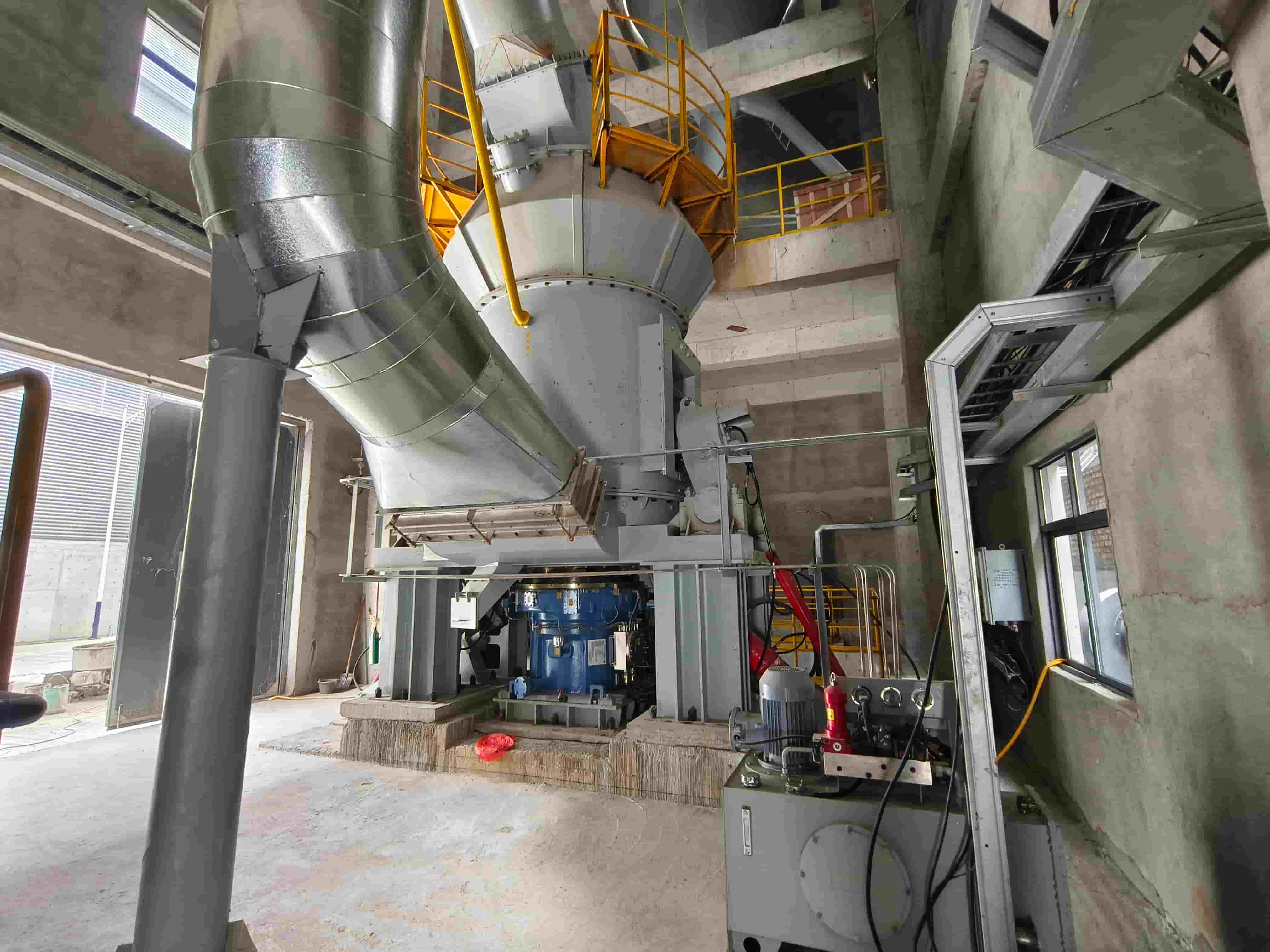
    vertical coal mill

    4. Raw Coal Moisture Content (%)

    This is often the most overlooked bottleneck parameter. The vertical coal mill uses hot gas from the kiln or a hot air generator to dry the coal inside the mill.

    Standard capability: Most vertical coal mills can handle raw coal moisture up to 10-12%.

    Critical action: If your raw coal moisture exceeds 15% (e.g., lignite), you must require the seller/manufacturer to:

    Design a larger air duct diameter

    Design a higher inlet air temperature

    Possibly add an auxiliary drying system

    Excessively high moisture can easily cause coal sticking to the mill wall, material blockages, reduced grinding efficiency, and off-spec product quality.

    Remember: Insufficient drying capacity will cause material buildup and caking inside the mill, reduced throughput, and significantly increased maintenance frequency. Therefore, you must know your raw coal moisture content during the selection process.

    5. Required Product Fineness & Final Moisture: Quality Control for Combustion

    The quality of the finished coal powder is mainly determined by two indicators: fineness and moisture. The specific standards depend on the end-use application — boiler combustion, blast furnace injection, coal chemical feedstock, etc., each with different requirements. The vertical coal mill is equipped with an adjustable dynamic classifier that can precisely control product fineness, so the selection must match the required classification accuracy.

    Selection tip: Consider the total lifecycle cost. Low-cost, under-configured models may have a lower initial investment, but they come with higher energy consumption and frequent maintenance, resulting in higher long-term costs. Prioritize energy-efficient vertical coal mills with easy-to-maintain grinding rollers and long-lasting wear parts, which can significantly reduce operating costs.
    coal pulverizer vertical mill

    Conclusion

    The core of vertical coal mill selection is matching — matching the raw coal characteristics, capacity requirements, feed size, moisture content, and product standards. Combined with a full lifecycle cost analysis, this approach will help you select an efficient, stable, and energy-saving mill that reduces costs and improves productivity for your pulverized coal preparation line.
     

  • What is the difference between a vertical mill and a Raymond mill?

    1. Basic Structural Principle of HVM Vertical Roller Mill
    vertical mill working principle

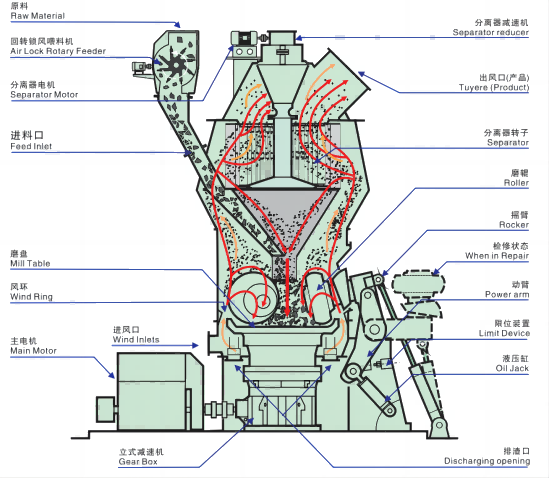
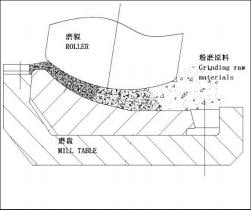
    The motor drives the reducer, which rotates the grinding table. The material to be ground is fed through a rotary airlock feeder into the center of the rotating grinding table. Under centrifugal force, the material moves toward the periphery of the table and enters the grinding track. Subjected to the pressure of the grinding rollers, the material is crushed through compression, grinding, and shearing actions.

    Meanwhile, hot air is uniformly ejected upward at high speed from the air ring surrounding the grinding table. The ground material is entrained by the high-velocity airflow at the air ring. On one hand, coarser particles are blown back onto the grinding table for regrinding; on the other hand, the suspended material undergoes simultaneous drying. The fine powder is carried by the hot air into the classifier for particle size separation. Qualified fine powder exits the mill along with the airflow and is collected by the dust collection system as the final product. Unqualified coarse particles, under the action of the classifier blades, fall back onto the grinding table to be reground together with the freshly fed material. This cycle repeats continuously to complete the entire grinding process.

    energy saving vertical mill


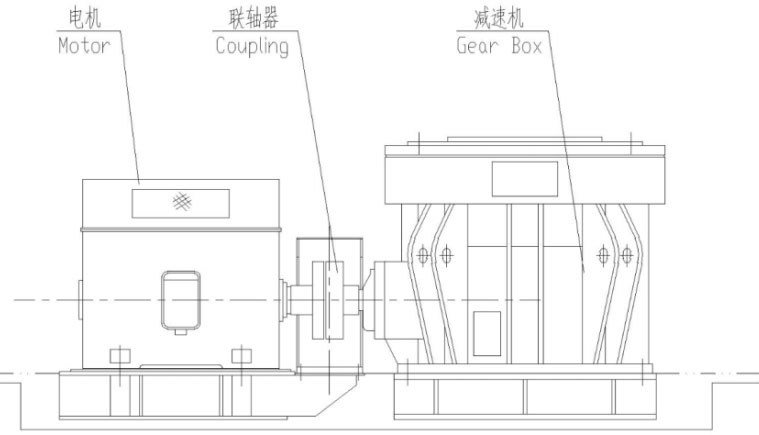
    Outline drawing of HVM Series Vertical Mill
     
    2. Structural Comparison Between HVM Vertical Roller Mill and Raymond Mill
    2.1 Drive System Comparison: HVM Vertical Roller Mill vs. Raymond Mill
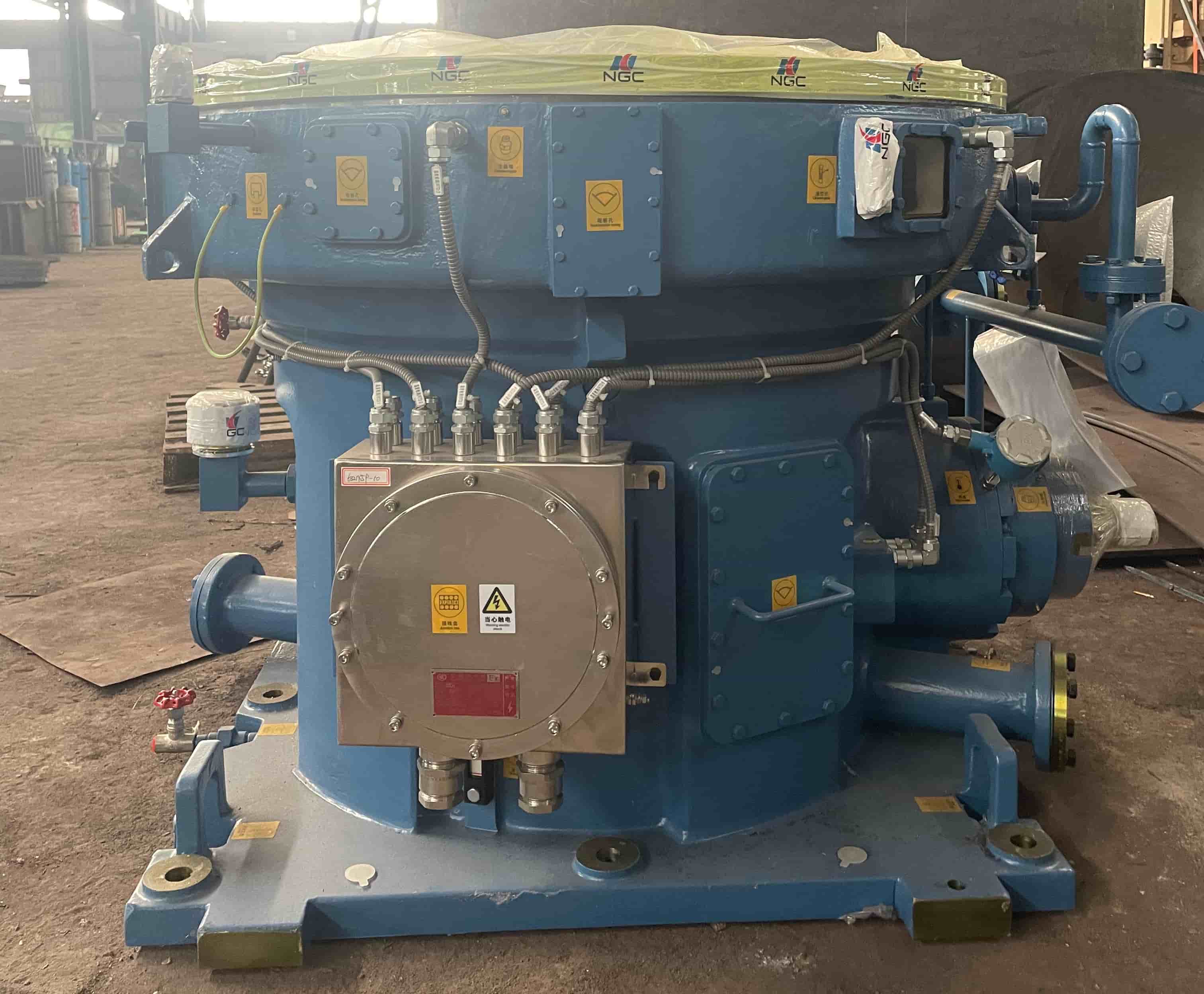
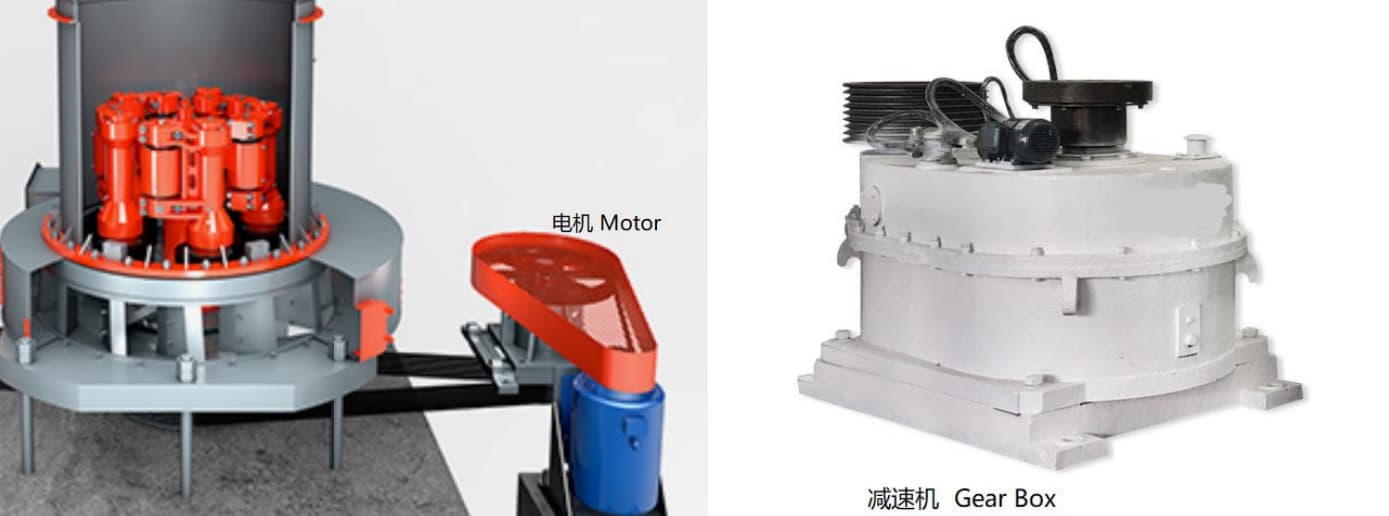
    The drive system of the HVM Vertical Roller Mill adopts a direct-coupled configuration, in which the motor and reducer are connected via a coupling. This design delivers high drive efficiency and low failure rates. The reducer is a mature and reliable product manufactured by specialized reducer manufacturers. Under normal operation, no disassembly or repair is required for at least five years. It offers excellent sealing performance with no oil leakage, requires only routine maintenance, and allows convenient replacement of spare parts.
     Driving Device of HVM SeriesVertical Mill
    In contrast, the drive system of the Raymond Mill employs a belt-drive configuration between the motor and reducer. This design results in low drive efficiency and high failure rates. The reducer is typically designed and manufactured in-house by the Raymond mill manufacturer (to reduce costs), which often leads to poor sealing performance and frequent oil leakage. Repairs due to malfunctions are required at relatively high frequency. Moreover, since the drive system is generally installed in a pit, maintenance is inconvenient, and spare parts are heavily dependent on the original equipment manufacturer.
     
    Driving Device of Raymond Mill
     
    2.2 Comparison of Grinding Principle and Grinding Component Structure: HVM Vertical Roller Mill vs. Raymond Mill

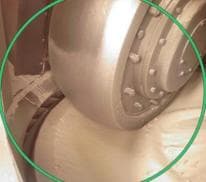
    The HVM Vertical Roller Mill operates on the principle of material bed grinding. The material forms a stable bed between the grinding rollers and the grinding table. Through the rotation of the grinding table and the pressing action of the grinding rollers (powered by an independent hydraulic loading system), the material is crushed. This grinding method delivers high efficiency because there is no direct contact between the grinding table and the grinding rollers. As a result, power transmission efficiency is high during the grinding process, and with no metal-to-metal contact, no sparks are generated. This ensures low grinding wear and tear. Furthermore, for flammable and explosive materials, operational safety is effectively guaranteed due to the absence of sparks.

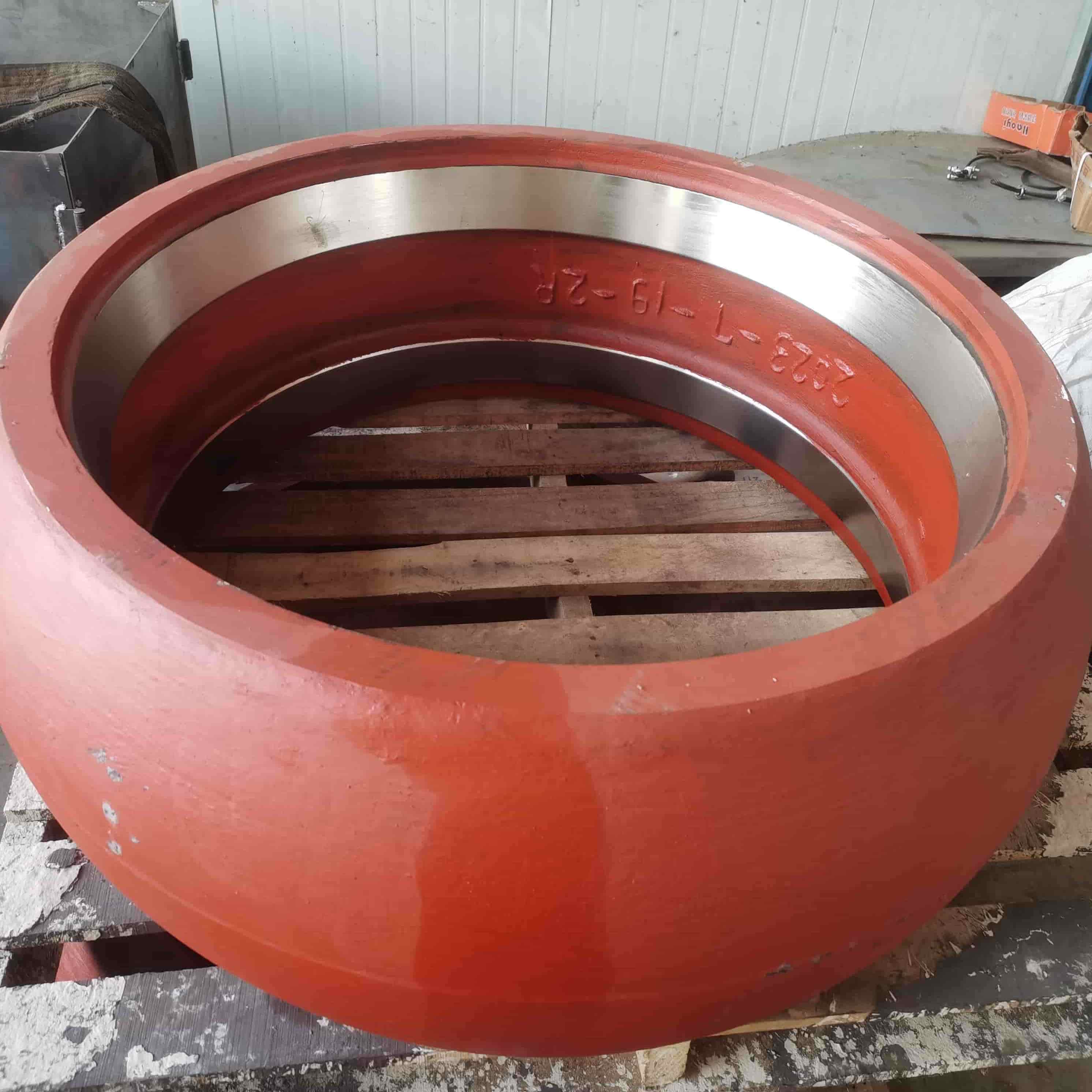
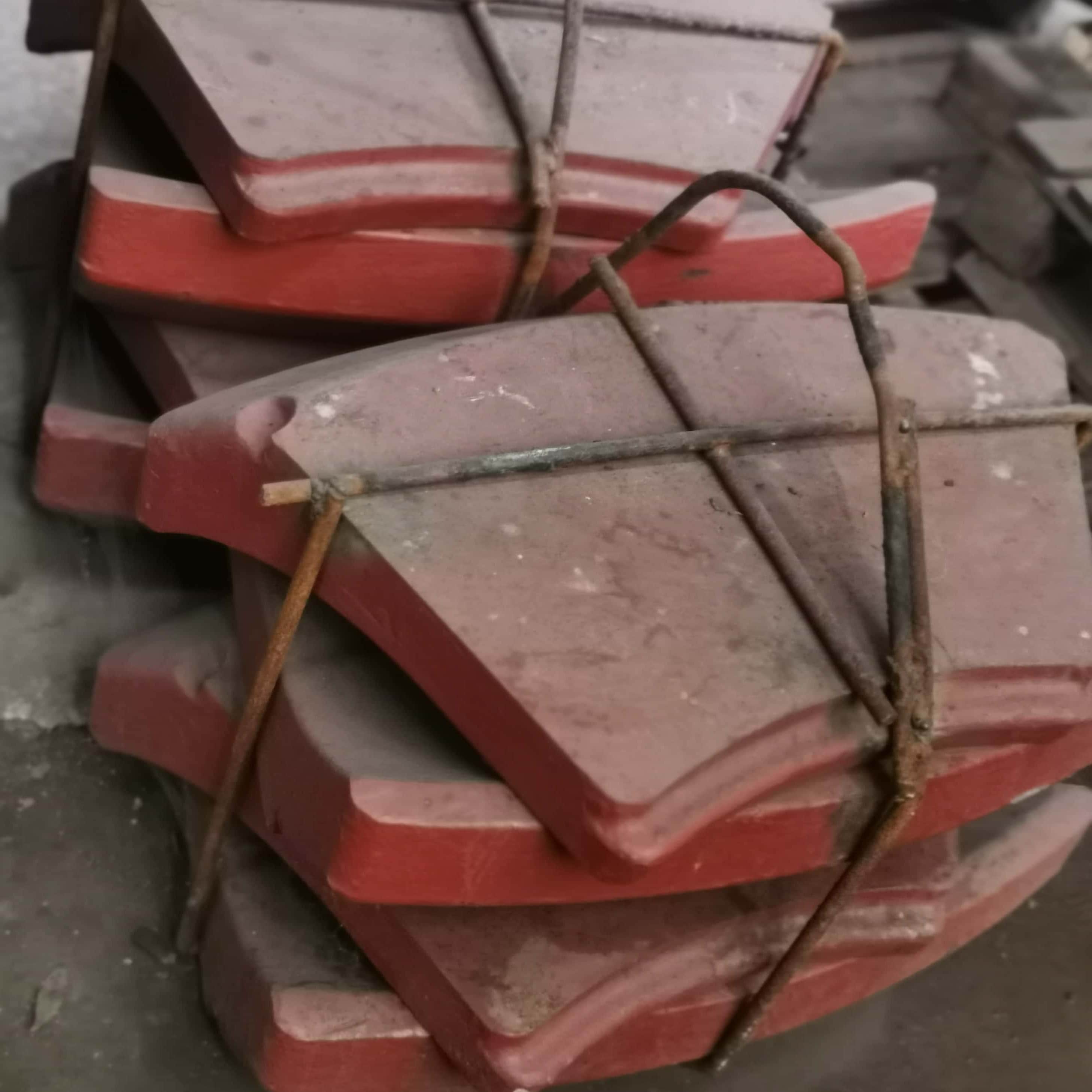
    The primary grinding components—the roller sleeves and the grinding table liner plates—are both made of high-chromium multi-alloy materials, offering a service life exceeding 8,000 hours. In addition, thanks to their modular design, the roller sleeves and table liner plates are easy to replace and maintain.

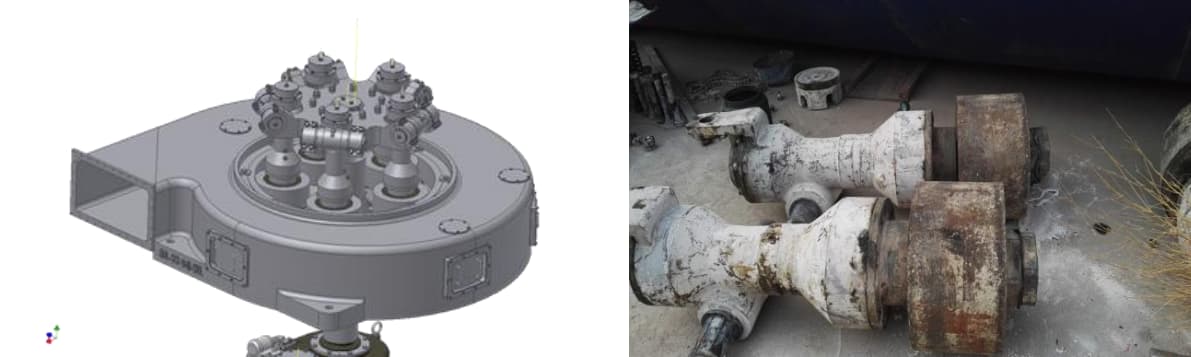
    Grinding Device of HVM SeriesVertical Mill

    The grinding pressure of the rollers is applied through a hydraulic-pneumatic system. The roller pressure and roller lifting actions can be adjusted via remote control, and on-site manual operation is also available. The mill's hydraulic system comprises the hydraulic power unit, cylinders, accumulators, and piping. Hydraulic pressurization is achieved through the cylinders, while the accumulators serve a damping and buffering function.

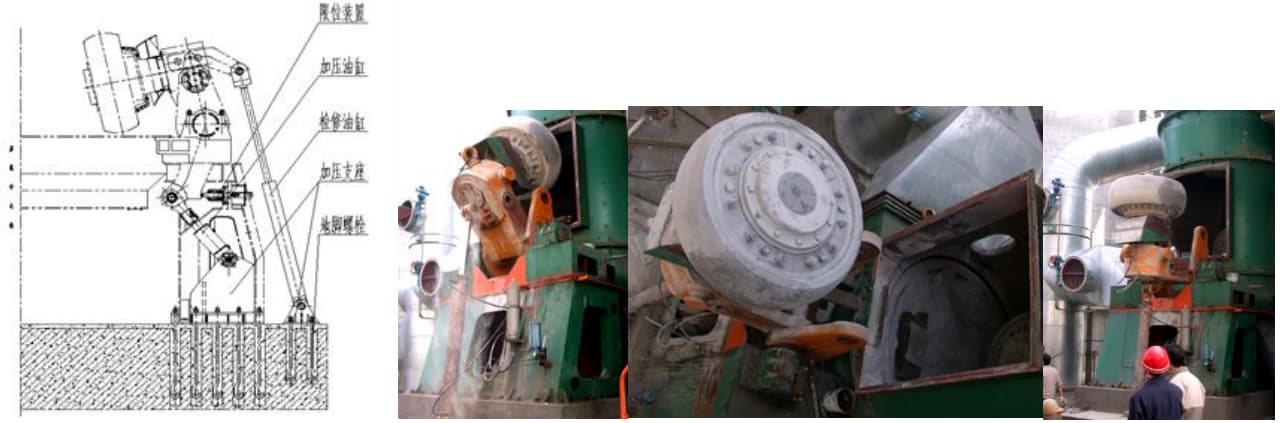
    The roller sleeves are designed to be reversible for extended service life. With the assistance of the hydraulic system, the grinding rollers can be swung out of the grinding chamber either simultaneously or individually, making inspection and maintenance highly convenient.


    Overhaul Status of Rollerof HVM SeriesVertical Mill

    In contrast, the Raymond Mill operates on a different grinding principle: the grinding rollers are pressed tightly against the grinding ring under centrifugal force. Material is scooped up by the plow blades and fed between the rollers and the ring, where it is crushed into powder under the rolling pressure. As can be seen, the Raymond Mill does not feature an independent hydraulic system. Typically, its grinding components require replacement and maintenance every 2 to 3 months. Moreover, the direct metal-to-metal collision of the grinding components is highly prone to generating sparks, which poses a significant risk of explosion when grinding flammable and explosive materials—resulting in a major safety hazard. The grinding components of the Raymond Mill consist of the rollers and the ring, which are made of manganese steel. This material offers poor wear resistance, necessitating frequent replacement (at least twice a year) and making maintenance particularly challenging.


    Grinding Device of Raymond Mill

    2.3 Comparison of Classifier Systems: HVM Vertical Roller Mill vs. Raymond Mill

    The HVM Vertical Roller Mill is equipped with an anti-bypass dynamic-static combined classifier. The classifier rotor cage is designed in a squirrel-cage configuration, incorporating stationary guide vanes and a return cone. This design not only facilitates precise control of product fineness but also allows unqualified material to fall through the cone back to the center of the grinding table for regrinding. During rotation, the dynamic blades generate a certain positive pressure in the upper section, forcing dust-laden gas to pass through the classifier's dynamic blades, thereby yielding a finer product with a wide range of fineness adjustment. The design focuses on optimizing the classifying zone and controlling particle movement, minimizing irregular flow patterns within the mill as much as possible. Key design adjustments include the gap between the dynamic rotor and the guide vanes, the rotor speed, and the number and geometry of the guide vanes. Additionally, the rotor is equipped with an air seal, which effectively prevents coarse particles from entering the finished product, thereby reducing the circulating load and improving grinding efficiency. For flammable and explosive materials, the classifier is fitted with explosion venting panels to ensure timely pressure relief.

    The classifier of the Raymond Mill, on the other hand, adopts a purely dynamic classifying structure. It suffers from low classification efficiency, high resistance, and a limited range of fineness adjustment.


    2.4 Comparison of Mill Frame and Mill Body: HVM Vertical Roller Mill vs. Raymond Mill

    The frame of the HVM Vertical Roller Mill is welded from 18–20 mm thick steel plates, offering exceptional durability and excellent reparability. In contrast, the frame of the Raymond Mill is mostly cast from low-cost nodular cast iron, which lacks durability. Moreover, once damaged, it cannot be repaired due to its poor weldability.

    The mill housing of the HVM Vertical Roller Mill is fabricated from 18 mm thick steel plates. In addition, the interior of the housing is lined with 10–12 mm thick 16Mn steel liner plates, which provide a service life of up to 15,000 hours. These liner plates are bolted in place, making replacement easy. Thanks to this design, the HVM Vertical Roller Mill housing can withstand an explosion pressure impact of 0.35 MPa, while the mill body remains free from wear-through issues. The Raymond Mill housing, by comparison, is relatively thin and offers poor explosion resistance and wear resistance, making the mill body highly susceptible to wear-through.

    Conclusion

    Vertical roller mill grinding offers the following key advantages:

    High output and low power consumption. The vertical roller mill employs compression and rolling—the grinding method with the lowest energy consumption and highest grinding efficiency. The resulting ground material features excellent fineness, uniform particle size distribution, and high throughput.

    <span style="font-family: 'Microsoft YaHei', 'Helvetica Neue', '

    <