Bentonite Sodium Modification & Ultra-fine Grinding Integrated Process
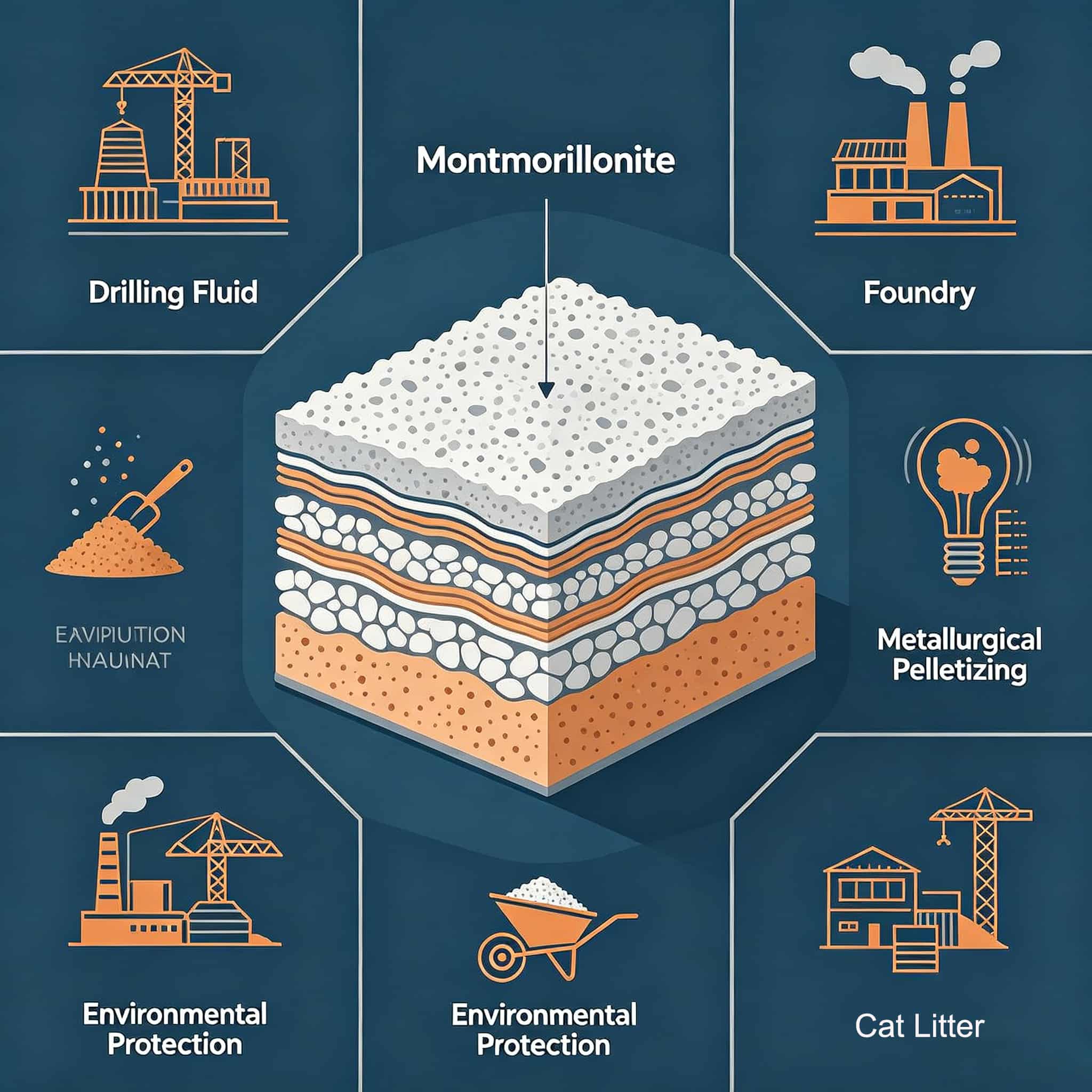
Bentonite is a natural clay mineral predominantly composed of montmorillonite. Thanks to its excellent water absorption, swelling capacity and colloidal properties, it is widely used in drilling fluids, foundry, metallurgical pelletizing, environmental protection, cat litter and other fields. Nevertheless, the performance of natural bentonite (especially calcium-based bentonite) often fails to directly meet the requirements of high-end applications. It therefore needs sodium modification to improve its swelling ratio and colloidal activity, followed by ultra-fine grinding to achieve the required fineness and specific surface area.
Traditional processes carry out modification, drying and grinding in separate steps, which results in lengthy production flows, a large number of supporting equipment, high energy consumption and unstable product quality. The integrated process combining sodium modification and ultra-fine grinding of bentonite is developed precisely to address these pain points.
Core Logic of the Integrated Process
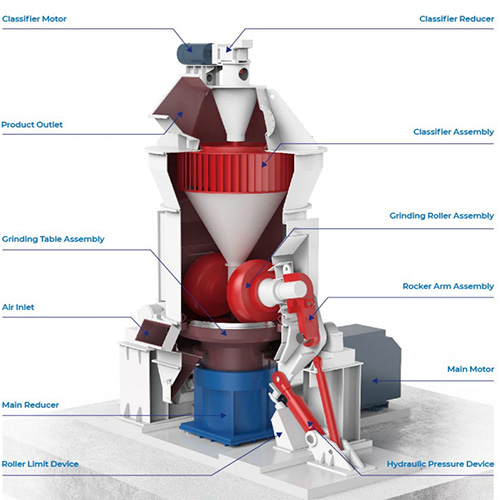
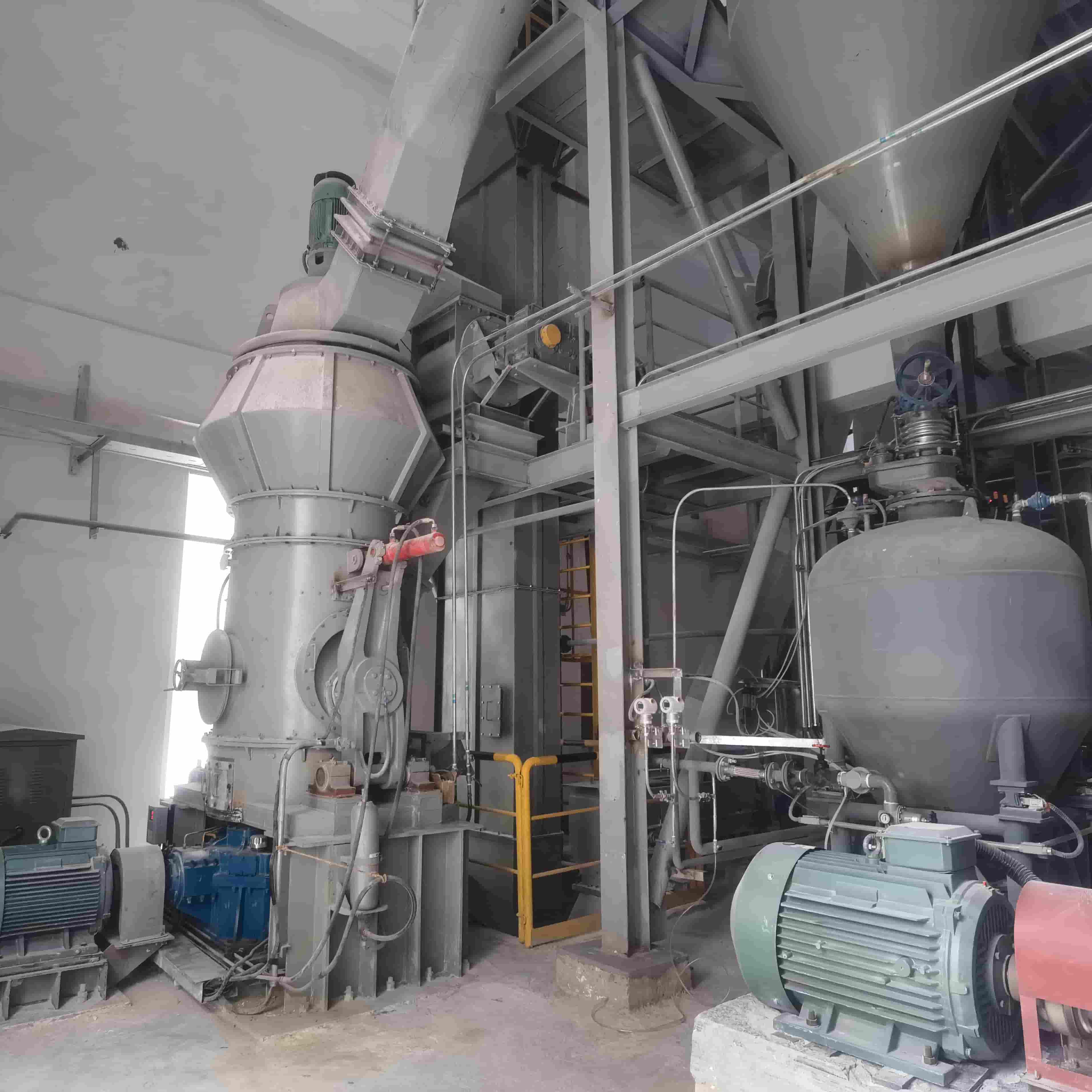
This process integrates the sodium activation reaction and grinding into a single piece of equipment (such as a vertical roller mill). The basic workflow is as follows:
1. Raw material pre-treatment: After crushing, the raw ore is mixed with a sodium activator (e.g., sodium carbonate) and an appropriate amount of water in proportion, then enters a mixer for pre-blending.
2. Integrated grinding and activation: The blended material enters the vertical roller mill, where crushing, drying, and sodium activation are completed simultaneously during the grinding process. The mill's hot air system provides the required temperature for the reaction, while the mechanical activation effect generated by grinding accelerates ion exchange.
3. Classification and collection: The ground material is classified by the classifier. Qualified fine powder enters the dust collector, while coarse powder is returned to the grinding table for further grinding.
4. Packaging: The finished product is homogenized and then packaged for shipment.
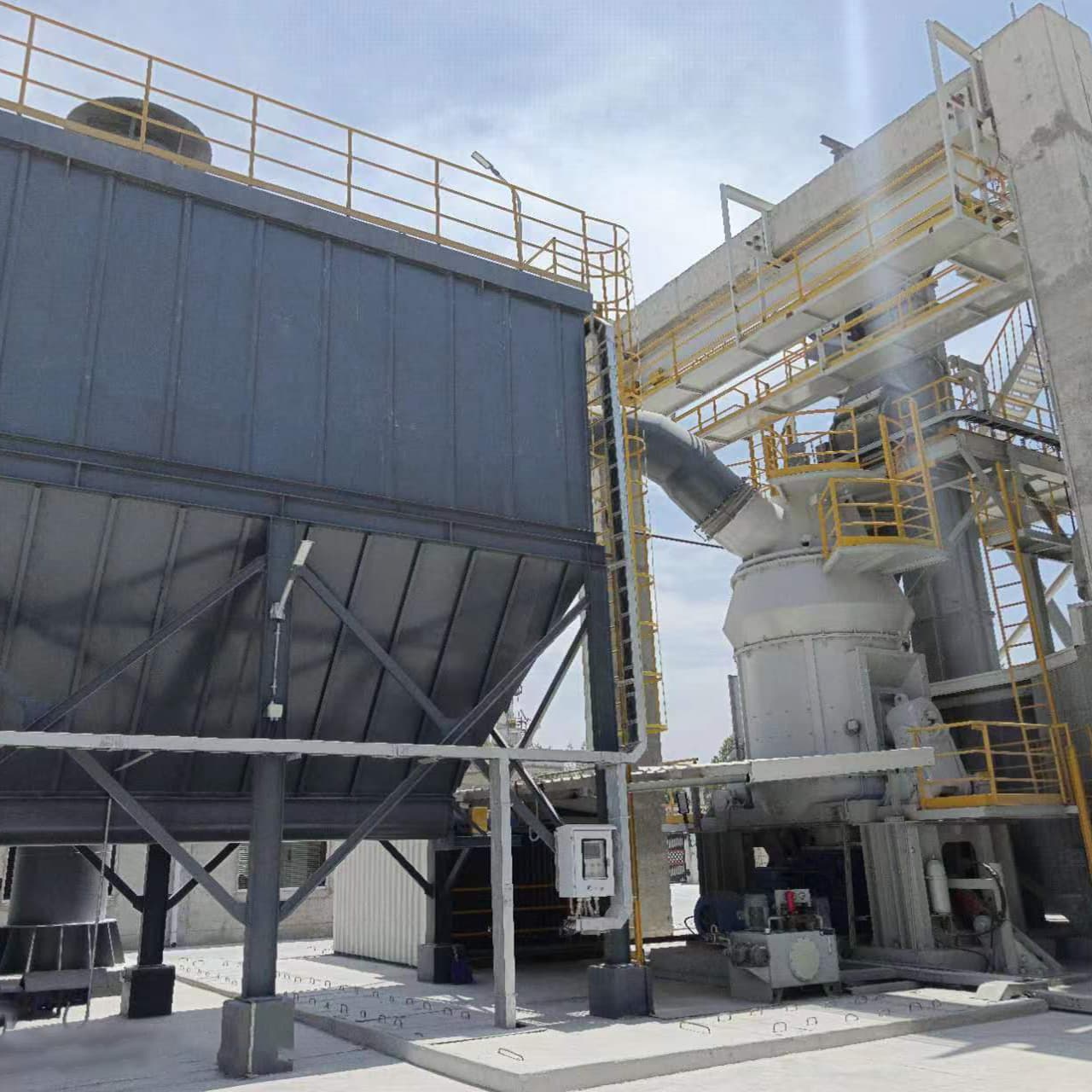
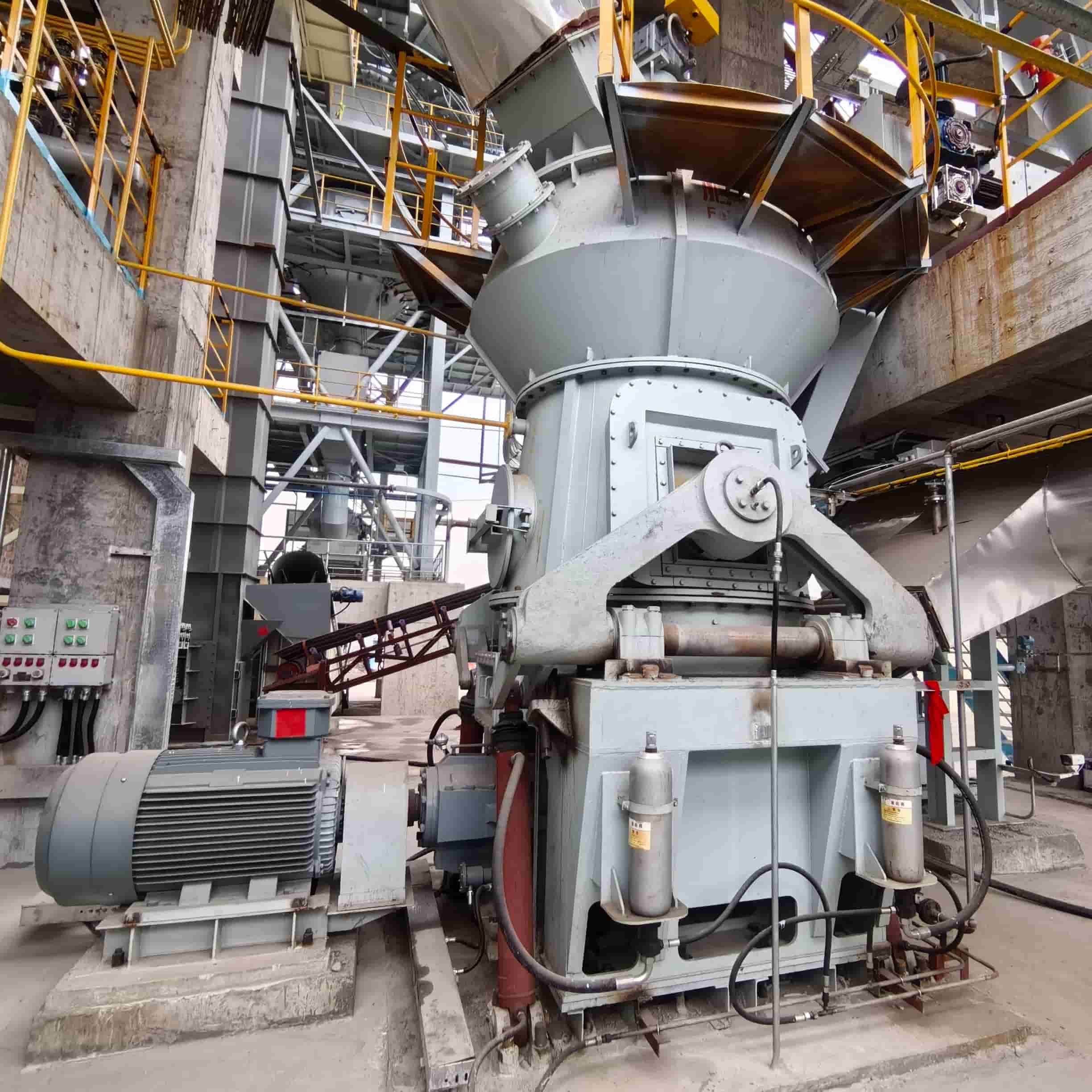
Compared with the traditional multi-step process, the integrated solution reduces multiple pieces of equipment to just one, eliminates intermediate handling steps, and can reduce operator headcount by over 40%.
How the Sodium Modification Reaction Is Completed In-line?
The essence of sodium modification lies in the ion exchange between calcium ions and sodium ions within the interlayers of calcium-based montmorillonite. This process enlarges the interlayer spacing of montmorillonite and greatly improves its swelling property. Inside the vertical mill, materials are continuously crushed and dried under the combined action of hot air and grinding pressure. Fresh montmorillonite surfaces are constantly exposed, allowing the sodium modifier to evenly coat the particles and rapidly penetrate into the interlayer structure.
The mechanochemical effect generated during grinding can reduce the activation energy of the reaction, enabling the sodium modification reaction to proceed efficiently at a relatively low temperature. Generally, the mill outlet temperature is controlled within 80–120 °C to meet reaction requirements and prevent structural damage to montmorillonite caused by excessive temperature.
Main Advantages of Integrated Process
Comparison Items Traditional Step-by-Step Process Integrated Process
Equipment Quantity Crushing + Modification + Drying + Grinding + Classification Completed by One Vertical Mill
Land Occupation Area Big Small floor area, saving 40%-60% space
Energy Consumption High (Multiple hot air heating) Low (Single hot air completes drying and reaction)
Product Quality Large batch-to-batch fluctuation Stable and controllable with automatic adjustment
Investment Cost High Low, with an overall cost saving of 20%-30%
Besides, the integrated closed-circuit system minimizes dust emission for a better workshop working environment. Equipped with a PLC automatic control system, it enables real-time adjustment of feed rate, hot air temperature and classifier speed to guarantee stable compliance of product fineness (200 mesh, 325 mesh) and modification indicators (swelling capacity ≥12 mL/g).
Application Scenarios
- Bentonite for drilling fluid: It requires high swelling capacity and stable viscosity. The integrated process enables precise control of the sodium modification degree.
- Bentonite for casting: High hot and wet strength is required. Bentonite treated via integrated modification delivers stronger binding force.
- Bentonite for metallurgical pellets: It needs a fineness of over 325 mesh with uniform sodium modification to enhance pellet strength.
- Cat litter & environmental adsorption materials: These products demand high water absorption and large specific surface area, which can be achieved in one step through the integrated solution.
Key Technical Points and Equipment Selection
The core of the integrated process lies in the model selection of the HVM vertical mill. The following indicators are recommended for focus:
- Grinding table diameter and number of grinding rollers: These determine production capacity and grinding efficiency, and are generally selected according to the target output (e.g., 5–30 t/h).
- Hot air system: A hot blast stove or waste heat utilization device shall be equipped to realize adjustable inlet temperature (200–350°C) and precise control of outlet mill temperature.
- Classifier efficiency: Higher classification efficiency delivers more stable finished product fineness and reduces over-grinding.
- Material of wear-resistant parts: Bentonite contains hard minerals such as quartz. High-chromium cast iron or ceramic composite grinding rollers are recommended to extend service life.
Conclusion
The integrated process integrating bentonite sodium activation modification and ultrafine grinding consolidates the modification reaction and pulverization into a single working procedure. This innovative technology drastically streamlines the production workflow, reduces overall energy consumption and capital & operational costs, while significantly enhancing the consistency and stability of finished product quality. For bentonite manufacturers seeking to boost product added value and expand into high-end market segments, this technical solution merits in-depth feasibility assessment.
Should you intend to construct a new bentonite processing production line or implement technical upgrading on your existing facility, we welcome in-depth technical communication with your team. We are capable of delivering tailor-made process design schemes and professional equipment selection recommendations in strict accordance with your raw material characteristics, finished product specifications and designed production capacity. We stand ready to respond to your inquiries at any time.