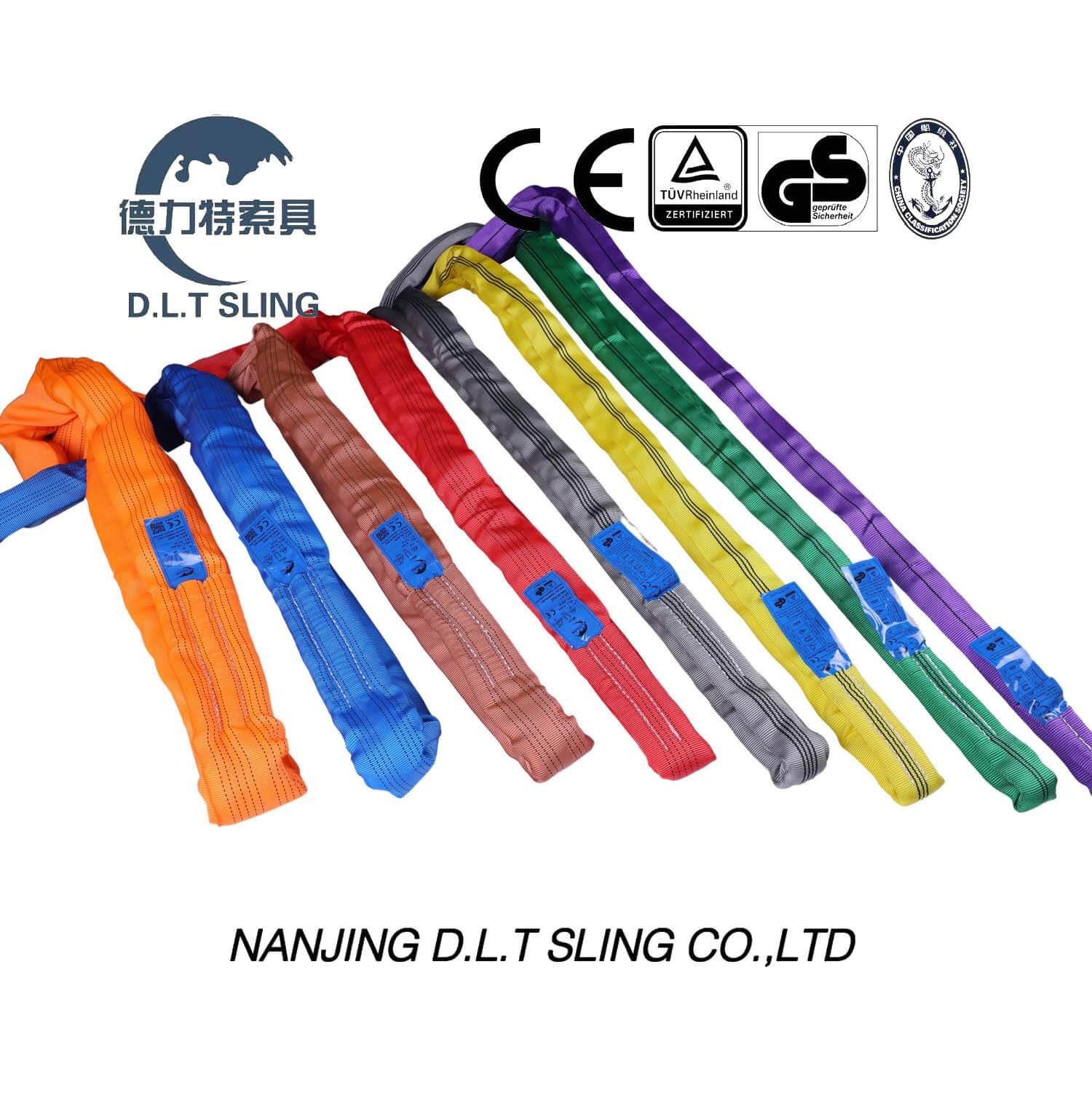
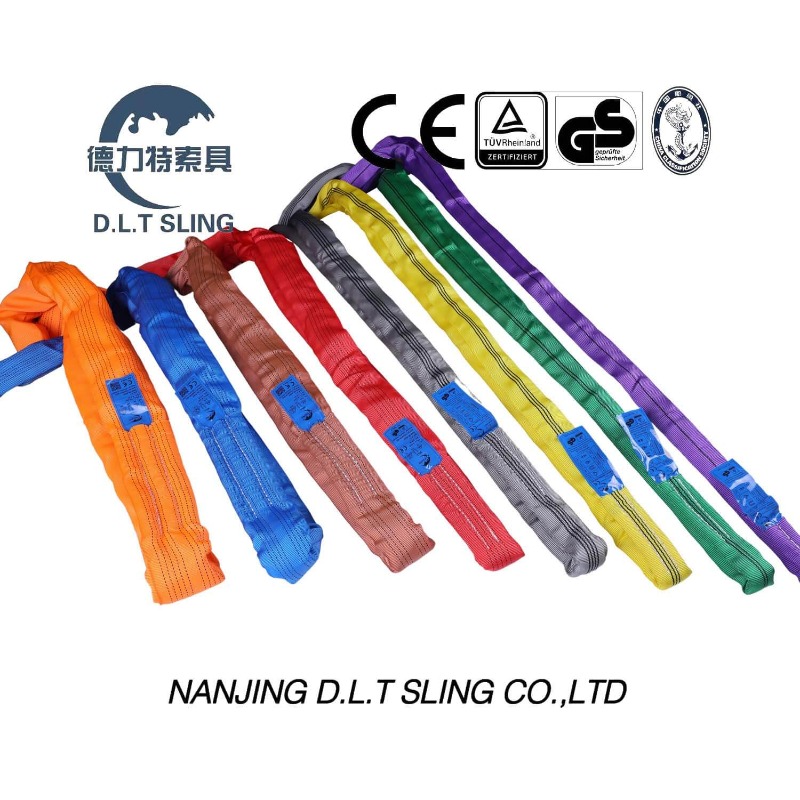
• What is double eye sling?


    Introduction

          In the world of lifting and rigging, innovative tools continue to revolutionize the industry, enabling safer and more efficient operations. One such tool that has gained widespread recognition is the Eye-Eye Webbing Sling. With its adaptability, strength, and versatility, this remarkable lifting accessory has become a staple for professionals across various industries.


    The Definition: What is Double Eye Sling?

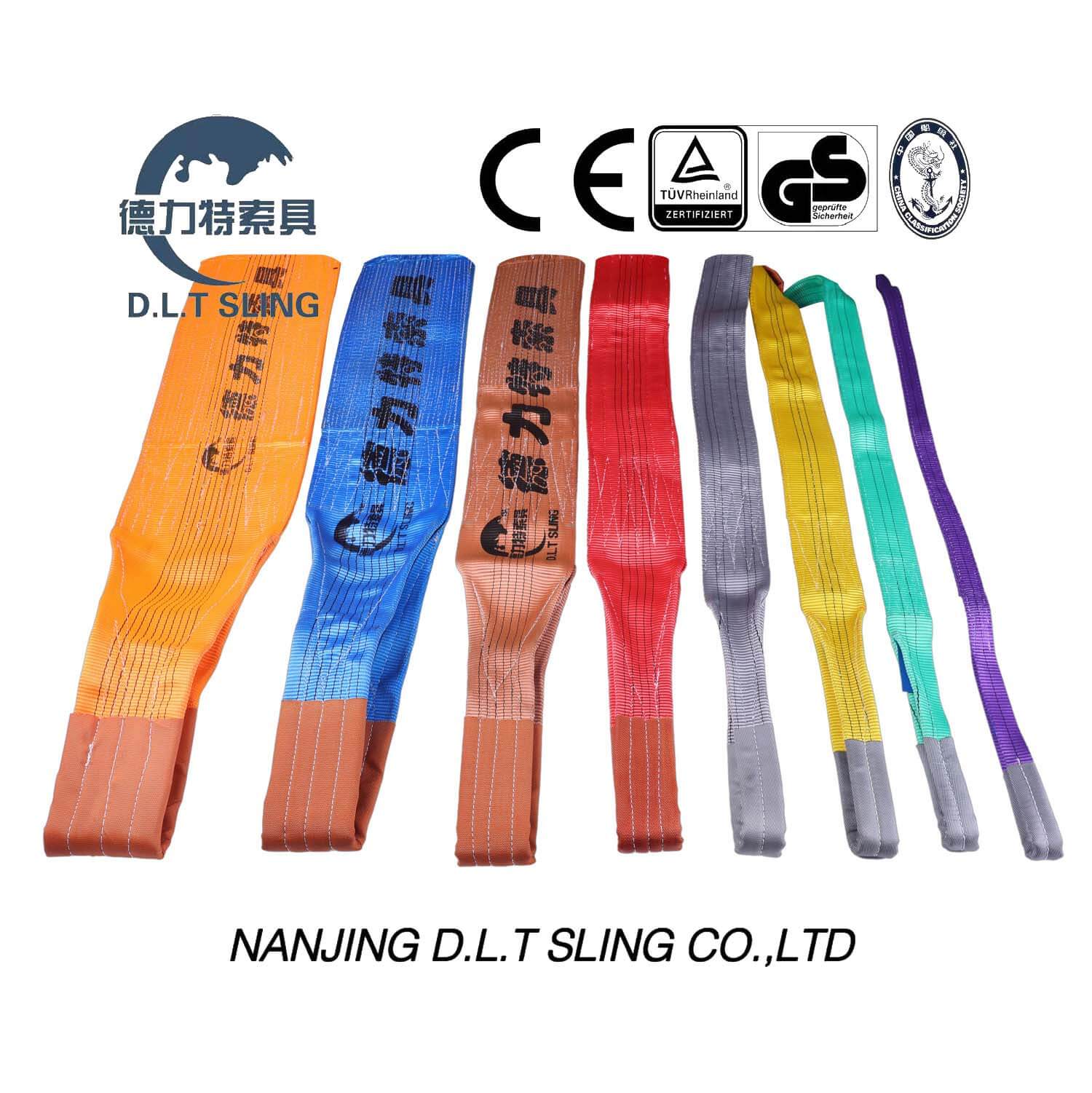
           A Double Eye Sling, also known as an Eye-Eye Webbing Sling, is a robust lifting apparatus designed to handle heavy loads with utmost precision. Crafted using high-quality webbing material, these slings possess exceptional strength and durability, making them ideal for a wide range of lifting applications. These slings feature two eyes, or loops, at both ends, allowing for secure attachment and easy manipulation.

    Unparalleled Versatility

           Eye-Eye Webbing Slings offer unparalleled versatility, capable of adapting to diverse load requirements. From construction sites to warehouses and maritime operations, these slings can be used in a plethora of industries, guaranteeing optimal performance in various lifting scenarios.


    1.Maritime Operations: Eye-Eye Slings find their utility in the maritime sector, assisting with cargo handling, ship maintenance, and even rescue operations. Their resistance to water and corrosion ensures their reliability in marine environments.

    2. Construction: Eye-Eye Slings are indispensable in the construction sector, facilitating the lifting of structural components, beams, and scaffolding materials. Their superior strength and durability enable safer and more efficient construction practices.


    3. Warehousing: Within the warehousing industry, Eye-Eye Webbing Slings simplify the transportation of heavy loads, such as crates, pallets, and machinery. Their flexible design ensures a secure grip, minimizing the risk of accidents and damage.


    Quality Assurance from Trusted Manufacturers

    To guarantee optimal performance and safety, it is imperative to source Eye-Eye Webbing Slings from reputable webbing sling manufacturers. These manufacturers adhere to strict quality standards, ensuring the slings are manufactured using high-grade materials and state-of-the-art technology. By investing in slings from trusted manufacturers


  • What is the difference between webbing sling and round sling?

    When it comes to lifting heavy loads and ensuring workplace safety, it's essential to choose the right lifting equipment. Two popular options for material handling in various industries are webbing slings and round slings. While both serve the same purpose, they have distinct characteristics that make them suitable for different applications. In this blog post, we will explore the differences between webbing slings and round slings, highlighting their unique features and common uses.

    Round Slings:

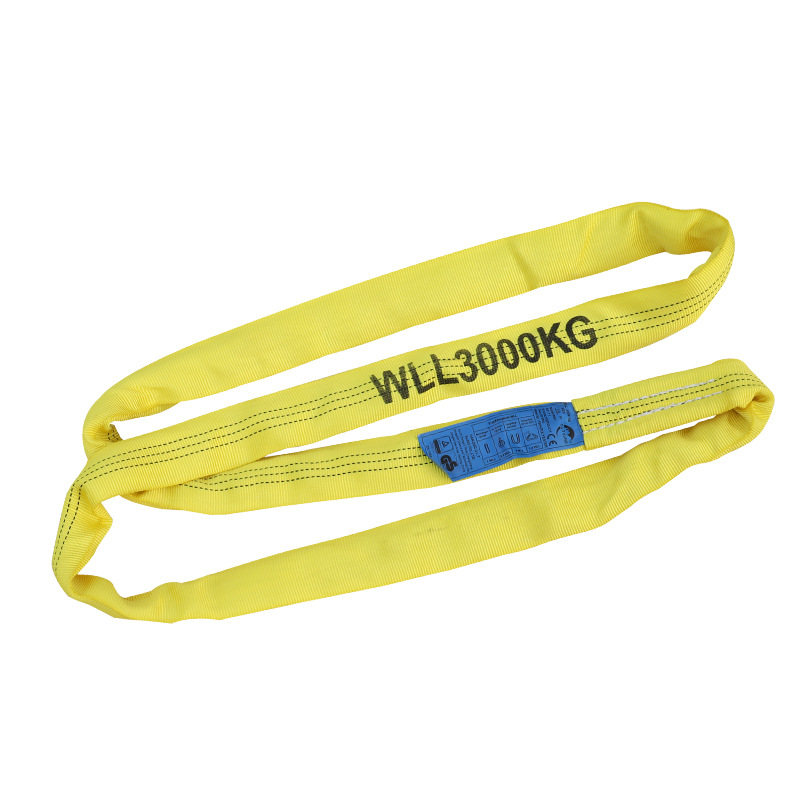
    Round slings, as the name suggests, are circular in shape and typically made of synthetic fibers like polyester. They feature a continuous loop construction and have no fixed endpoints, providing flexibility in load attachment points. Round slings are known for their excellent strength-to-weight ratio and versatility in handling a wide range of loads.

    Key Features of Round Slings:

      Soft and non-damaging: The soft texture of round slings minimizes the risk of scratches or dents on delicate surfaces.

      High strength: Round slings are designed to withstand heavy loads and offer a high lifting capacity.

      Adaptability: The endless loop construction allows for easy adjustment of the sling length to suit different load sizes and shapes.

      Load distribution: Round slings evenly distribute the load weight, reducing the risk of damage to the load.

      Safety features: Round slings are often color-coded based on their load capacity, ensuring proper selection for each lifting task.

    Common Applications of Round Slings:

       Rigging and lifting heavy machinery in industrial settings.

       Lifting and transporting construction materials.

       Offshore and maritime operations.

       Tree removal and arboriculture.

    round sling

    Webbing Slings:

    Webbing slings are made of woven polyester or nylon fibers, creating a durable and flexible lifting strap. They have a flat, ribbon-like appearance and come in various widths and load capacities. The most common types of webbing slings include flat eye, twisted eye, and endless loop configurations.

    Key Features of Webbing Slings:

       Lighter weight: Compared to round slings, webbing slings tend to be lighter, making them easier to handle and transport.

       Protection against abrasion: The smooth surface of webbing slings helps minimize damage to delicate or fragile loads.

      -Cost-effective: Webbing slings are generally more affordable than round slings, making them a popular choice for light to medium-duty lifting tasks.

       Enhanced visibility: Webbing slings are often available in bright colors, enhancing visibility during lifting operations.

       Excellent flexibility: Webbing slings offer high flexibility, making them ideal for lifting irregularly shaped loads.

    Common Applications of Webbing Slings:

        Lifting machinery and equipment in manufacturing and construction industries.

        Moving goods in warehouses and logistics operations.

        Hoisting materials during maintenance and repair processes. 

    Webbing sling

    In summary, both webbing slings and round slings serve as crucial lifting tools in a wide range of industries. While webbing slings are preferred for their flexibility, lightweight design, and cost-effectiveness, round slings excel in load distribution, strength, and adaptability. Understanding the differences between these two types of slings is essential to make an informed choice based on specific lifting requirements. Always prioritize safety and compliance with industry standards when selecting and using lifting equipment.

  • Maximizing Performance of Industrial Applications with AOE Metal Pump Series

    Maximizing Performance of Industrial Applications with AOE Metal Pump Series


    In the world of industrial operations, efficiency and reliability are critical. The AOE metal pump series is designed to provide both, offering robust, corrosion-resistant solutions that meet the demanding needs of various industries. Whether it's for chemical processing, wastewater treatment, or handling abrasive materials, this series stands out as a top choice. These pumps, part of the AOE membrane pump family, take industrial operations to the next level with their powerful air-operated technology.


    Why Choose AOE Metal Pump Series?

    The AOE metal pump series is more than just a pump—it's a powerhouse of durability and precision. Constructed with high-grade materials like stainless steel or aluminum, these pumps can withstand extreme temperatures, corrosive environments, and heavy-duty cycles. The air-operated mechanism reduces wear and tear, ensuring long-term functionality with minimal maintenance.


    Key Benefits:

    • Durability: With a metal construction, this pump can handle aggressive liquids without deteriorating.
    • Efficiency: The air-operated design optimizes energy use, making it eco-friendly and cost-effective.
    • Versatility: Ideal for industries such as petrochemical, mining, and manufacturing.


    Comparing AOE Membrane Pump and Metal Air-Operated Pumps

    When considering the broader AOE membrane pump category, the AOE metal pump series holds a significant position. While membrane pumps are known for their versatility, the metal air-operated variants, like those in the AOE series, offer a specialized edge in durability. The metal air-operated pump not only handles more challenging materials but also operates smoothly in high-pressure environments, reducing downtime in critical applications.


     Elevate Your Operation with AOE Metal Pump Series

    The AOE metal pump series is the ultimate choice for businesses looking to enhance efficiency and durability in their industrial processes. Its air-operated, metal design ensures reliability in the toughest conditions, while its role in the AOE membrane pump family highlights its versatility and strength. If your industry demands top-tier performance, this pump series is an investment worth making.

  • Lightweight, Corrosion-Resistant Solutions for Industrial Applications

    Lightweight, Corrosion-Resistant Solutions for Industrial Applications


    In industries where corrosive chemicals, liquids, and sensitive materials are a common challenge, having the right equipment is crucial. The AOE plastic pump series is engineered to deliver exceptional performance in such environments, offering a lightweight yet durable solution that resists corrosion, chemical damage, and abrasive wear. With a focus on efficiency and long-lasting service, these pumps are the ideal choice for industries ranging from chemical processing to pharmaceuticals.


    Key Features of the AOE Plastic Pump Series

    The AOE Plastic pump series is designed with high-grade plastics such as polypropylene (PP) or PVDF (polyvinylidene fluoride), known for their chemical resistance and strength. Additionally, these pumps can be paired with high capacity air operated membrane pumps to further enhance performance, especially in industries where large volumes of fluids need to be transferred efficiently. These high-capacity pumps excel in providing steady flow and consistent pressure.


    Key Features:

    • Corrosion Resistance: Designed to handle highly corrosive fluids, making it perfect for industries like chemical processing, plating, and water treatment.
    • Lightweight Design: Easier to install and maintain due to the lightweight materials used in construction.
    • Energy Efficiency: These pumps are designed to minimize energy consumption while maximizing output, reducing operational costs.


    Applications Across Various Industries

    The AOE plastic pump series is not just about being tough and reliable; it’s also incredibly versatile. These pumps are often used in applications where high purity and chemical resistance are required. Industries that benefit from these plastic pumps include:

    • Chemical Processing: Safely handling acids, alkalis, and other corrosive materials.
    • Water Treatment: Durable against the harsh chemicals used in water purification and treatment plants.
    • Pharmaceuticals: Ensuring contamination-free handling of sensitive fluids.

    With their ability to withstand tough environments and maintain peak performance, these pumps are indispensable for many industries.


    Why AOE Plastic Pump Series Stands Out

    The AOE plastic pump series offers unmatched performance where it matters most. Their chemical resistance and durability make them perfect for businesses needing reliable, long-lasting equipment that won't corrode or degrade under intense industrial conditions. Whether you're dealing with highly acidic environments or just need a cost-effective pump solution, this series delivers on all fronts.


    The Future of Fluid Handling with AOE Plastic Pump Series

    For companies looking to stay ahead in today’s fast-evolving industries, the AOE plastic pump series provides a cutting-edge solution that combines efficiency, durability, and chemical resistance. This series not only offers superior performance but also ensures that your operations run smoothly with minimal downtime and maintenance.

  • Do you know AOK Diaphragm Pump?

    Do you know AOK Diaphragm Pump?

    In the world of industrial fluid transfer, the AOK diaphragm pump stands out as a powerful, reliable, and efficient solution. Diaphragm pumps are known for their versatility and ability to handle a wide range of liquids, including corrosive chemicals, slurries, and viscous materials. Whether you’re operating in the chemical, pharmaceutical, or water treatment industry, the AOK diaphragm pump offers the performance you need to keep operations running smoothly and efficiently. With the aluminum alloy air operated diaphragm pump variant, users gain the added benefits of lightweight design and superior corrosion resistance, making it an excellent choice for more demanding environments.


    Key Features of AOK Diaphragm Pump

    The AOK diaphragm pump is designed to deliver exceptional performance across a variety of applications. Built with a focus on durability and flexibility, this pump can handle challenging environments with ease. The aluminum alloyair operated diaphragm pump option provides additional strength while being lightweight, making it suitable for industries where portability and corrosion resistance are key.


    Key Features:

    • Self-Priming Capabilities: The AOK diaphragm pump is self-priming, allowing it to start pumping fluids without the need for external priming mechanisms, even when the pump is dry.
    • Corrosion-Resistant Construction: Made from materials such as polypropylene, PVDF, stainless steel, or aluminum alloy, the pump offers excellent resistance to corrosive fluids, making it ideal for chemical processing applications.
    • High Viscosity Tolerance: Capable of handling highly viscous liquids without performance loss, the pump is well-suited for industries where thick or slurry-like materials need to be moved.
    • Air-Operated Efficiency: The pump is air-operated, which provides several advantages, including the ability to run safely in explosive environments, improved energy efficiency, and minimal wear on components.


    Applications of AOK Diaphragm Pump

    The AOK diaphragm pump is a versatile tool, making it an ideal choice across numerous industries. Its ability to handle a wide variety of liquids, from water to abrasive chemicals, ensures that this pump is always in demand. The aluminum alloyair operated diaphragm pump is especially suited for industries requiring both portability and corrosion resistance. Common applications include:

    • Chemical Processing: Ideal for transferring aggressive chemicals such as acids, caustics, and solvents, the AOK diaphragm pump offers superior resistance to corrosion and chemical breakdown.
    • Water Treatment: In water treatment facilities, the pump can handle the movement of water and chemical additives used for purification and treatment processes.
    • Pharmaceuticals: For pharmaceutical manufacturing, the pump is a reliable solution for transferring sensitive liquids without contamination risks.
    • Food and Beverage: With its hygienic design and ability to move viscous materials, the pump is suitable for food production processes, particularly for transferring sauces, syrups, and other thick liquids.


    Why Choose AOK Diaphragm Pump?

    The AOK diaphragm pump is the ultimate choice for industries that demand reliability, performance, and safety. Its design minimizes downtime by reducing wear and tear, while its air-operated system ensures smooth operation without the need for complex electronic components. The aluminum alloy air operated diaphragm pump also offers excellent corrosion resistance while being lighter, making it an ideal choice for mobile or space-limited installations.


    Key Advantages:

    • Minimized Maintenance: The diaphragm design reduces friction and wear, allowing for extended periods of operation without breakdown.
    • Safe for Explosive Environments: Being air-operated, the pump can be used in explosive or hazardous environments where electric pumps may pose a risk.
    • Lightweight & Portable: The Aluminum Alloy Air Operated Diaphragm Pump version offers a lightweight solution without compromising on strength or durability, perfect for industries requiring mobile pumping solutions.


     Diaphragm Pump, A Solution You Can Trust

    For businesses that need a pump that can handle tough environments, corrosive fluids, and viscous materials, the AOK diaphragm pump—especially the aluminum alloy air operated diaphragm pump version—is a solution that delivers on every front. Its reliable design, ease of use, and ability to handle a wide range of industrial applications make it an essential part of any fluid management system.

  • How Polyester Webbing Slings Can Improve Efficiency and Safety in Lifting Operations

    Lifting heavy loads in various industries is a common practice, and the safety and efficiency of these operations are paramount. One crucial element in ensuring safe and efficient lifting is the choice of appropriate lifting equipment. Polyester webbing slings have emerged as a popular choice due to their strength, durability, and versatility. In this blog post, we will explore the benefits of polyester webbing slings and how they can enhance efficiency and safety in lifting operations.

    Polyester webbing slings are known for their exceptional strength-to-weight ratio. They are made from high-tenacity polyester fibers that provide superior strength and resistance to abrasion and chemicals. These slings have a high breaking strength, allowing them to safely lift heavy loads. Unlike steel wire ropes, polyester webbing slings are non-conductive, making them ideal for lifting operations in electrical environments.

    Polyester webbing slings are gentle on delicate cargo. The soft surface of the slings prevents scratching or damaging the load, making them suitable for lifting fragile or sensitive items. Additionally, their non-slip properties provide a secure grip on the load, minimizing the risk of it slipping or shifting during lifting.

    Polyester webbing slings are highly versatile and can be used in a wide range of lifting applications. They come in various configurations, including endless, flat, and round slings, allowing them to adapt to different lifting requirements. From construction sites and warehouses to shipping ports and manufacturing facilities, polyester webbing slings can meet the diverse needs of lifting operations.

    Safety standards and regulations play a crucial role in the lifting industry. Polyester webbing slings are designed and manufactured to comply with rigorous safety standards, ensuring their reliability and performance. When selecting polyester webbing slings, it is essential to verify that they meet the relevant safety standards and carry appropriate certifications.

    Using polyester webbing slings offers several safety advantages. Firstly, they have a soft and flexible texture, which reduces the risk of damaging the lifted objects. The smooth surface of the slings prevents any sharp edges or rough surfaces from causing cuts or scratches. Additionally, polyester webbing slings are lightweight, making them easier to handle, manipulate, and store. This reduces the strain on workers and minimizes the risk of injuries during lifting operations.Polyester webbing slings


  • The Versatility of Aerosol Products for Every Industry

    The Versatility of Aerosol Products for Every Industry

    Aerosol technology has revolutionized numerous sectors, becoming an essential component in industries ranging from beauty to pharmaceuticals. The beauty industry, for instance, relies heavily on aerosol formulations for hair sprays, deodorants, and body mists, offering consumers convenience and ease of application. These products not only provide a fresh look but also incorporate skin-friendly ingredients, enhancing personal care routines.

    In the food industry, aerosol packaging has introduced innovative ways to deliver cooking oils, sprays, and flavored toppings. This method allows for precise application, minimizing waste while ensuring consistent flavor in every dish. The ease of use is particularly beneficial for home cooks and chefs alike, making cooking more efficient and enjoyable.

    Household products also benefit from aerosol technology. Cleaning sprays and air fresheners utilize aerosol systems for effective distribution, making it easy to cover large areas with minimal effort. The convenience of ready-to-use sprays simplifies household chores, while specialized formulations target specific cleaning challenges.

    The personal care sector, including items like sunscreen and insect repellent, has embraced aerosols for their portability and ease of application. These products offer consumers quick solutions for everyday needs, ensuring protection and comfort on the go.

    Moreover, in the pharmaceutical industry, aerosols have made significant strides. Metered-dose inhalers for asthma patients and topical sprays for pain relief showcase the effectiveness of aerosol delivery systems. This method not only enhances patient compliance but also ensures accurate dosing, making medication administration more reliable.

    To support this diverse range of applications, the demand for efficient manufacturing solutions is crucial. This is where aerosol filling machines come into play, streamlining the production process for various aerosol products. Among these, the high-speed aerosol filling machine stands out, allowing manufacturers to increase their output while maintaining high-quality standards. These advanced machines are designed to enhance operational efficiency and meet the growing demands of the market.

    Lastly, aerosol technology finds its place in technical products, such as lubricants and adhesives, where precision is crucial. These products provide targeted application, reducing mess and ensuring efficiency in various applications.

    In summary, the versatility of aerosol products makes them indispensable across multiple industries. Their ability to provide convenience, precision, and efficiency aligns perfectly with modern consumer needs. As technology advances, partnering with a reliable aerosol filling machine factory becomes essential for businesses looking to enhance their production capabilities. The future of aerosols promises even greater innovations, further enhancing their role in our daily lives.

  • Aerosol Innovation-- Precision Filling for a Greener Future

    Aerosol Innovation-- Precision Filling for a Greener Future


    In the rapidly evolving world of aerosol manufacturing, technological advancements are pivotal in enhancing production processes and ensuring product quality. One of the most significant innovations in recent years is the bag-on-valve aerosol filling machine. This cutting-edge technology provides a superior filling method that not only protects the product from contamination but also guarantees an airtight seal, significantly extending the product's shelf life. With this method, manufacturers can offer consumers a high-quality experience, as the contents remain fresh and effective until the very last spray. This is especially important for products like cosmetics, pharmaceuticals, and household cleaners, where efficacy is crucial.

    Bag-On-Valve Aerosol Filling Machine

    Complementing this technology is the automatic valve placer. This automated system revolutionizes the valve placement process, which traditionally relied heavily on manual labor. By integrating automation, manufacturers drastically reduce the risk of human error, increase speed, and enhance overall efficiency. This advancement leads to less downtime and more consistent production rates, allowing companies to meet rising consumer demands without compromising on quality. The precision offered by automated systems ensures that each valve is placed correctly, further minimizing the likelihood of defects in the final product.

    Automatic Valve Placer

    Furthermore, the integration of an aerosol checkweigher adds another essential layer of precision to the manufacturing process. This device meticulously checks the weight of each aerosol can as it moves along the production line, ensuring that every product meets strict weight specifications. This step is crucial for quality control, as even minor discrepancies can lead to customer dissatisfaction or regulatory issues. By implementing this technology, manufacturers can quickly identify and rectify any inconsistencies, ensuring compliance with industry standards and maintaining product integrity. This process not only reduces waste but also contributes to a more sustainable approach in manufacturing.

    Aerosol Checkweigher

    Together, these innovations—the Bag-on-Valve technology, automatic valve placement, and precise checkweighing—create a powerful synergy that transforms the aerosol production landscape. They allow businesses to achieve the ultimate efficiency while upholding a strong commitment to quality. Additionally, the streamlined processes reduce production costs and increase profitability, making them an attractive investment for manufacturers.


    As the industry continues to evolve, adopting these advanced technologies will be essential for staying competitive and meeting the changing needs of consumers. Embracing these innovations not only enhances operational efficiency but also paves the way for a more sustainable future in aerosol manufacturing. Companies that prioritize these advancements will not only improve their production capabilities but also strengthen their market position, ultimately leading to greater consumer trust and loyalty. As we look to the future, the combination of efficiency, quality, and sustainability will define success in the aerosol industry.

  • The Impact of High-Speed Aerosol Filling Machines on Manufacturing Efficiency

    The Impact of High-Speed Aerosol Filling Machines on Manufacturing Efficiency


    In today’s fast-paced manufacturing landscape, efficiency and precision are paramount. One innovation that has significantly transformed the industry is the aerosol filling machine. These machines not only streamline production processes but also enhance product quality and consistency.


    What is an aerosol filling machine?

    An aerosol filling machine is designed to fill various products, from personal care items to industrial sprays, into aerosol cans. The technology ensures that the right amount of product is dispensed every time, minimizing waste and maximizing efficiency.


    The Rise of high-speed aerosol filling machines

    With the increasing demand for aerosol products, manufacturers are turning to high-speed aerosol filling machines. These advanced systems are engineered for rapid production, capable of filling thousands of cans per hour. The key benefits of these machines include:

    1. Increased Output: High-speed machines significantly boost production rates, meeting the demands of high-volume orders without compromising quality.

    2. Enhanced Precision: Modern filling technology ensures accurate measurements, reducing the risk of overfilling or underfilling, which can lead to product wastage.

    3. Automated Processes: Automation minimizes human error and allows for continuous operation, further improving efficiency.

    4. Versatility: High-speed aerosol filling machines can handle a variety of products and can be easily adjusted for different can sizes and formulations.


    High-Speed Aerosol Filling Machine


    Investing in a high-speed aerosol filling machine is a strategic move for any manufacturer looking to optimize their production process. As the market for aerosol products continues to grow, embracing innovative technologies like these will be essential for staying competitive. Whether you’re in the personal care industry or manufacturing industrial sprays, these machines are a game-changer in achieving operational excellence.


    By integrating advanced aerosol filling solutions into your production line, you can ensure efficiency, precision, and quality, setting your business up for success in an ever-evolving marketplace.

  • The Role and Benefits of Industrial Cooling Water Chillers in Modern Industry

    The Role and Benefits of Industrial Cooling Water Chillers in Modern Industry

    In today's fast-paced industrial world, maintaining the correct temperature is critical for ensuring the efficiency, safety, and longevity of machinery and processes. One essential piece of equipment that supports this need is the "industrial cooling water chiller". These systems are pivotal in a variety of sectors, from manufacturing and chemical processing to data centers and HVAC systems. In this blog, we’ll explore what industrial cooling water chillers are, how they work, their benefits, and why they are indispensable for modern industry.

    What is an Industrial Cooling Water Chiller?

    An industrial cooling water chiller is a sophisticated cooling system designed to lower the temperature of water used in various industrial processes. The primary function of this chiller is to remove excess heat from the water, which then circulates through different parts of a production system or machinery to absorb and carry away heat generated during operations.

    The basic principle behind an industrial cooling water chiller involves a refrigeration cycle. This cycle includes the following components:

    Evaporator: This is where the water to be cooled absorbs heat from the refrigerant. The refrigerant evaporates as it absorbs heat, cooling the water in the process.

    Condenser: In this component, the refrigerant releases the absorbed heat to the surrounding environment, typically via a water or air-based cooling system.

    Compressor: This device circulates the refrigerant between the evaporator and condenser, maintaining the flow and pressure of the refrigerant.

    Expansion Valve: This regulates the refrigerant flow into the evaporator, ensuring proper pressure and temperature conditions.

    How Do Industrial Cooling Water Chillers Work?

    The operation of water cooled chiller starts with the water being pumped into the evaporator, where it absorbs heat from the refrigerant. As the refrigerant evaporates, the water is cooled to the desired temperature. The now warm refrigerant is then pumped to the condenser, where it releases the absorbed heat into the cooling medium (water or air). The cooled refrigerant returns to the evaporator, and the cycle repeats.

    This continuous cycle ensures that the water remains at a stable temperature, which is crucial for maintaining process efficiency and equipment integrity.

    Applications of Industrial Cooling Water Chillers

    Water chillers are used across a broad spectrum of industries. Here are some notable applications:

    1. Manufacturing: In manufacturing plants, these chillers help in cooling machinery and process fluids, which prevents overheating and ensures smooth operation.

    2. Chemical Processing: They are used to control the temperature of chemical reactions, ensuring that the reactions occur within optimal temperature ranges and enhancing product quality.

    3. Plastics and Extrusion: In the plastics industry, chillers are employed to cool molds and machinery, which improves product quality and reduces production time.

    4. Data Centers: These chillers are crucial for cooling servers and other electronic equipment, preventing overheating and ensuring reliable operation.

    5. HVAC Systems: In large commercial and industrial HVAC systems, cooling water chillers help maintain comfortable indoor temperatures by cooling the water used in the system.

    Benefits of Industrial Cooling Water Chillers

    1. Enhanced Efficiency: Industrial cooling water chillers provide precise temperature control, which is essential for optimizing industrial processes and improving overall efficiency.

    2. Extended Equipment Life: By preventing overheating and maintaining optimal operating temperatures, these chillers help extend the lifespan of machinery and equipment, reducing maintenance and replacement costs.

    3.Energy Savings: Modern industrial chillers are designed with energy efficiency in mind. They use advanced technologies and high-efficiency components to minimize energy consumption, resulting in cost savings.

    4. Improved Product Quality: In many manufacturing processes, temperature control is critical for ensuring the quality and consistency of products. Chillers help maintain the required temperature, thereby improving product quality.

    5. Environmental Impact: Many industrial cooling water chillers are now equipped with eco-friendly refrigerants and energy-saving features, contributing to a reduced environmental footprint.


    Maintenance and Optimization

    To ensure the reliable performance of industrial cooling water chillers, regular maintenance is essential. Key maintenance tasks include:

    Regular Inspections: Periodic checks of the chiller’s components, such as the evaporator, condenser, and compressor, help identify and address potential issues before they escalate.

    Cleaning: Keeping the condenser and evaporator clean prevents efficiency losses and extends the lifespan of the equipment.

    Water Treatment: Proper treatment of the cooling water prevents scaling, corrosion, and biological growth, which can affect chiller performance.

    Monitoring: Continuous monitoring of system performance helps in identifying inefficiencies and optimizing operations.

    Future Trends and Innovations

    The field of industrial cooling is constantly evolving, with new technologies and innovations driving improvements in efficiency and sustainability. Some notable trends include:

    Advanced Control Systems: Integration of smart controls and sensors for real-time monitoring and optimization of chiller performance.

    Eco-Friendly Refrigerants: Development of refrigerants with lower global warming potential to reduce the environmental impact of cooling systems.

    Energy Recovery Systems: Implementation of systems that recover and reuse waste heat, improving overall energy efficiency.


    High quality industrial cooling water chillers are a cornerstone of modern industrial operations, providing essential temperature control across various sectors. Their ability to enhance efficiency, extend equipment life, and improve product quality makes them indispensable for maintaining optimal operational conditions. By understanding their operation, benefits, and maintenance needs, industries can harness the full potential of these systems to achieve greater efficiency and sustainability. As technology advances, these chillers will continue to play a critical role in supporting the dynamic demands of contemporary industrial processes.