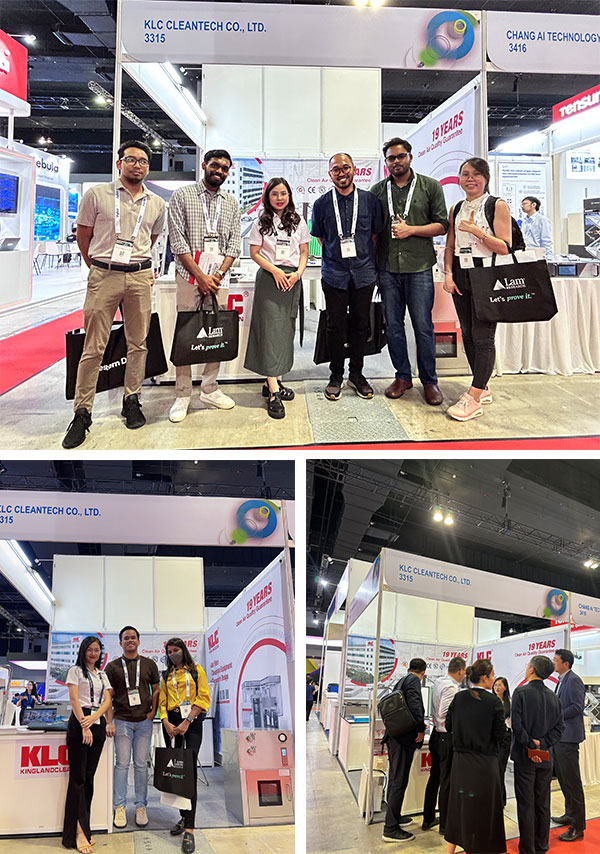
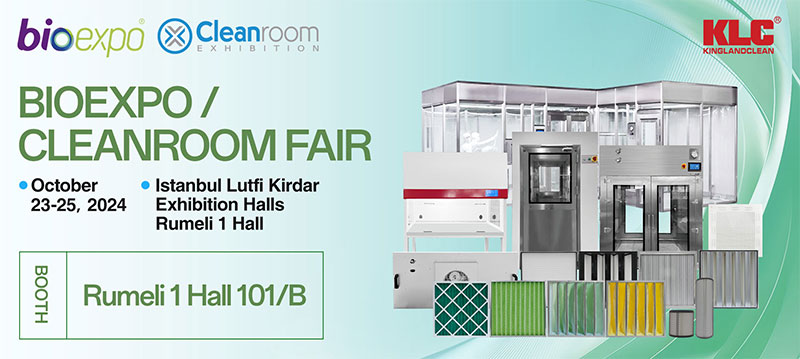
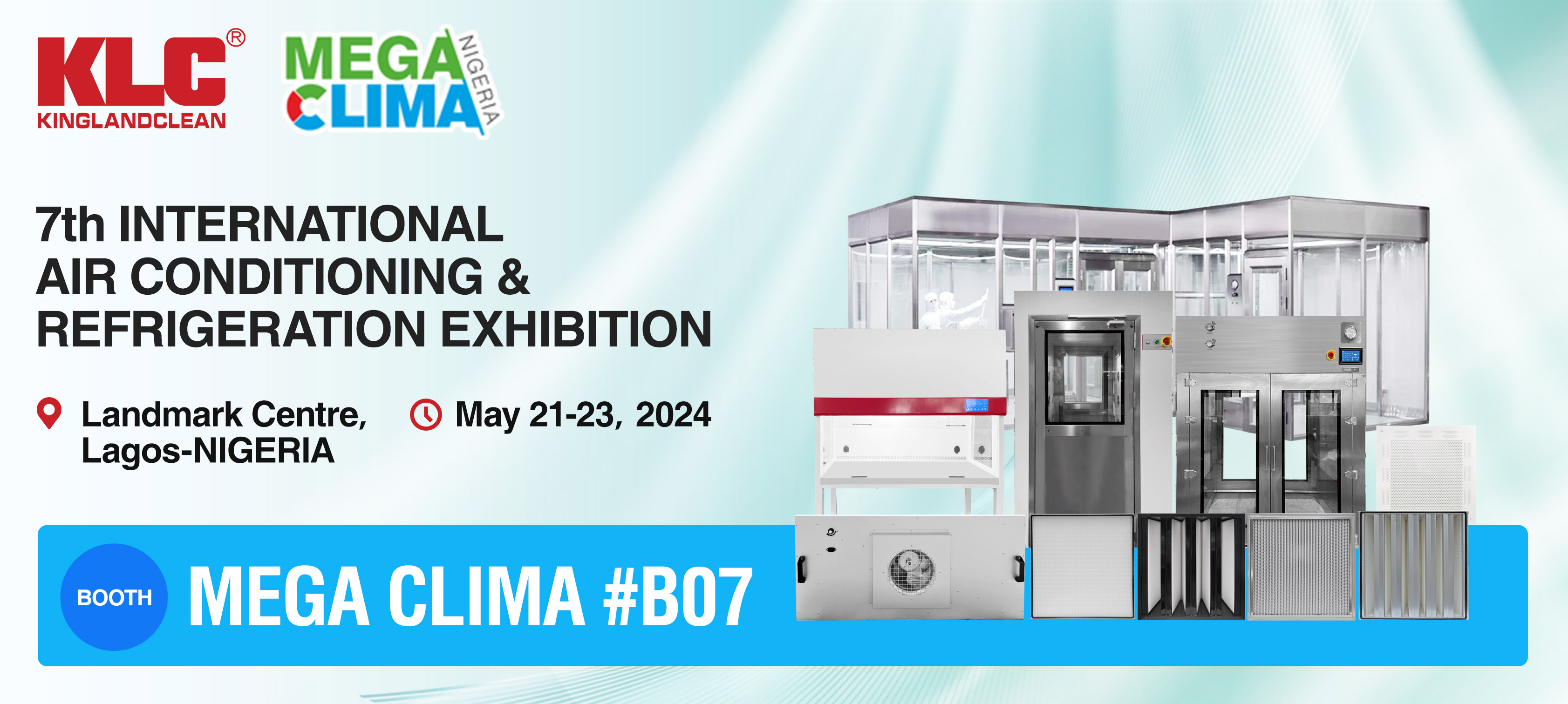
• We are waiting for you at MEGA CLIMA NIGERIA 2024, booth B07

    We will exhibit at MEGA CLIMA NIGERIA 2024 from May 21st to 24th.


    We believe that your participation will add more value to the exhibition. We sincerely invite you to participate in the exhibition and discuss the development trends and future opportunities of clean rooms in the refrigeration field. If you need more information or have any questions, please feel free to contact us.


     BOOTH: MEGA CLIMA #B07

     Address:  Landmark Centre, Lagos-NIGERIA

     Time:  May 21-23, 2024


    Thanks!

    Sincerely


  • Hairui's Formulation Guide on Crafting High-Performance Foam Rubber Products

    In our modern world, foam rubber products have become ubiquitous, finding applications across a multitude of industries. But have you ever wondered about the intricacies of their production? Unlike thermoplastic foams, the manufacture of foam rubber presents a unique challenge: synchronizing the vulcanization crosslinking rate with the foaming agent's decomposition rate. It's a delicate dance, if you will, where success hinges not only on the crosslinking speed but also on the fundamental similarity between vulcanization and foaming agent decomposition. Both processes, at their core, involve gas expansion against the rubber matrix's resistance.


    Selection of Base Materials


    When it comes to foam rubber production, choosing the right base rubber materials is crucial. Think of it as selecting the perfect ingredients for a gourmet meal – each component must serve a specific purpose. For products requiring softness, moderate strength, and good elasticity, natural rubber often takes center stage. But that's not all – synthetic rubbers frequently join the party to meet specific product needs.

    Consider, for instance, the production of oil-resistant foam products. In this case, a careful balance of nitrile rubber and chloroprene rubber is essential. Sometimes, to satisfy special product requirements, manufacturers might even opt for a combination of two or more rubber types. It's like creating a custom blend of coffee beans to achieve the perfect flavor profile.


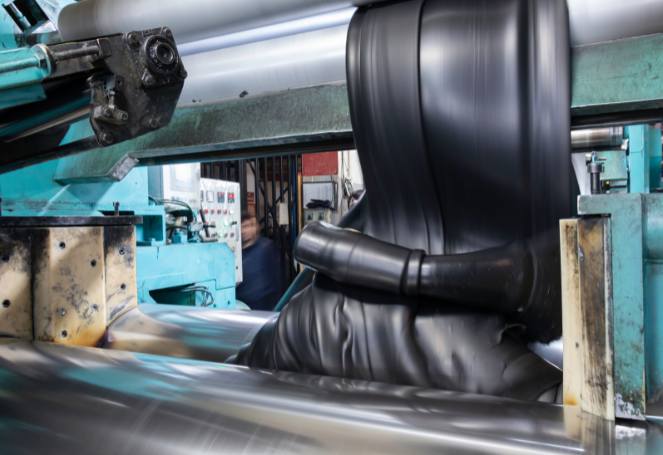
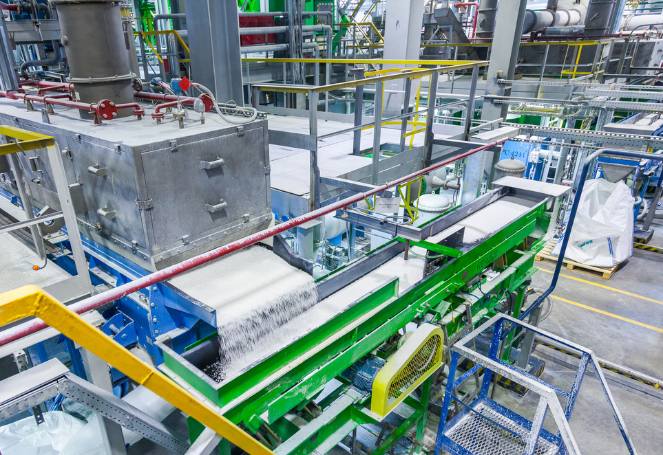
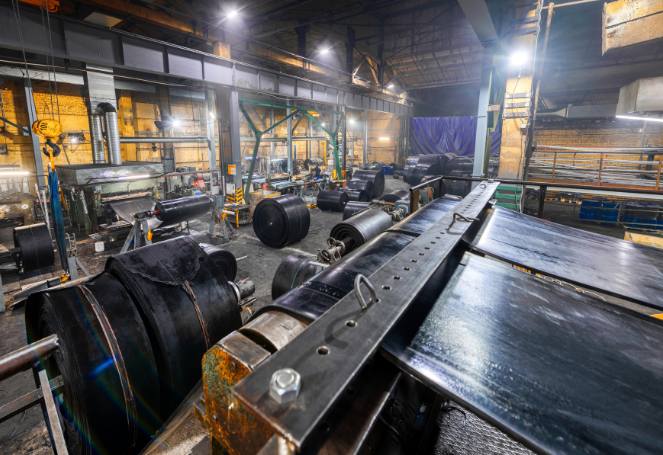
    Base material for foam rubber production


    Unleashing the Power of Foaming Agents


    Foaming agents are the rising stars of foam rubber production, directly impacting both efficiency and quality. At Hairui Rubber, we leverage a strategic blend of organic and inorganic foaming agents to achieve optimal results. Inorganic agents, like sodium bicarbonate and ammonium bicarbonate, are the sprinters of the foaming world, decomposing rapidly at relatively low temperatures. However, the high permeability of the gases they produce can pose challenges in creating closed-cell foam structures. That's why we often pair them with their organic counterparts, such as azodicarbonamide and nitroso compounds, which are the endurance athletes of the foaming world, decomposing at temperatures above 200°C.


    The Choreography of Vulcanization


    The vulcanization system is the choreographer in the intricate dance of foam rubber production. At Hairui Rubber, we meticulously synchronize the vulcanization process with the foaming agent's decomposition, ensuring a harmonious and high-quality outcome. By carefully selecting and adjusting the vulcanization system to match the foaming system, or vice versa, we can achieve the optimal balance for successful foaming.


    Reinforcing Fillers to Strengthening the Foam


    Reinforcing fillers, such as carbon black and silica, are the strength trainers for our foam rubber products. By incorporating these fillers, we can significantly improve the strength and stiffness of our offerings. Additionally, we leverage mineral fillers like calcium carbonate and kaolin to enhance processing properties and reduce costs. As with any good training regimen, moderation is key – we typically use 20 to 40 parts per hundred rubber (phr) of these fillers.


    the mixing of base rubber


    Plasticizers to Enhancing Flexibility


    Plasticizers in our foam rubber formulations are akin to yoga instructors, improving flexibility and overall performance. We carefully select plasticizers that possess excellent plasticizing effects, require low dosages, have rapid absorption rates, and exhibit good compatibility with the rubber. For products requiring high expansion ratios, we incorporate larger amounts of these flexibility enhancers to ensure optimal results.


    Antioxidants, the Guardians of Longevity


    Foam rubber products are more susceptible to aging due to their porous structure and large surface area. That's why we incorporate antioxidants, our guardians against the ravages of time and environmental factors. By selecting the right antioxidants, like MB, and using higher dosages than in non-foam rubber products, we can ensure the longevity and performance of our foam rubber offerings.


    plastic manufacturing


    Crafting the Perfect Foam Rubber Formula


    In conclusion, formulating foam rubber products is a complex process that requires careful consideration of multiple factors. It's like conducting a symphony, where each component – from base materials and foaming agents to vulcanization systems, reinforcing fillers, plasticizers, and antioxidants – must play its part in perfect harmony.

    At Hairui Rubber, we approach foam rubber formulation like conducting a symphony. By meticulously optimizing these elements and their interactions, we are able to produce high-quality foam rubber products that meet the diverse needs of our international B2B clients.


    rubber sheet machine


    Want to learn more about how Elastomeric Foam Rubber can benefit your project? Contact our technical team at Hairui Rubber. We're here to help you find the perfect solution for your specific needs.


    Get a Free Consultation with Our Insulation Experts and Save on Insulations Now.


  • Demystifying WLL, SWL, and MBS in Webbing Slings Understanding Load Capacities and Safety Factors

    Webbing slings are essential lifting tools used across a variety of industries for safe and efficient load handling. When working with webbing slings, it is crucial to understand key specifications such as Working Load Limit (WLL), Safe Working Load (SWL), and Minimum Breaking Strength (MBS). In this blog post, we will delve into these terms and explore their significance in ensuring safe lifting operations.

    Working Load Limit (WLL):

    The Working Load Limit (WLL) is the maximum load capacity that a webbing sling is designed to safely support under normal working conditions. It represents the recommended weight that can be lifted without compromising the sling's integrity. WLL is typically stated as a specific weight or capacity, such as 1 ton (2,000 lbs) or 5 tons (10,000 lbs), and it is determined by applying a safety factor to the Minimum Breaking Strength (MBS) of the sling.

    Safe Working Load (SWL):

    The term Safe Working Load (SWL) is often used interchangeably with WLL. It refers to the maximum load that a lifting device, such as a webbing sling, can safely handle without causing damage or failure. The SWL is determined by considering factors such as the sling's WLL, the angle of the lift, and any additional safety margins specified by industry regulations or standards.

    Minimum Breaking Strength (MBS):

    The Minimum Breaking Strength (MBS) refers to the ultimate load capacity or breaking point of a webbing sling. It is the maximum load that the sling can withstand before it permanently deforms or fails catastrophically. The MBS is determined through rigorous testing procedures and is typically significantly higher than the WLL or SWL to provide an added margin of safety.

    Safety Factors:

    Safety factors are applied to the MBS to establish the WLL and SWL of webbing slings. These factors account for uncertainties, such as variations in manufacturing, environmental conditions, and dynamic forces during lifting. The standard safety factor for webbing slings is usually 5:1 or 7:1, depending on regional regulations and industry standards. This means that the WLL and SWL of a sling are calculated by dividing the MBS by the specified safety factor.

    Accurate load calculations are crucial for selecting the appropriate webbing sling and ensuring safe lifting operations. Factors such as the weight of the load, the sling's angle of use, the type of hitch or configuration, and environmental conditions all affect the load capacity. It is essential to consult load charts, guidelines, or seek professional advice to determine the correct sling and lifting method based on the specific application.

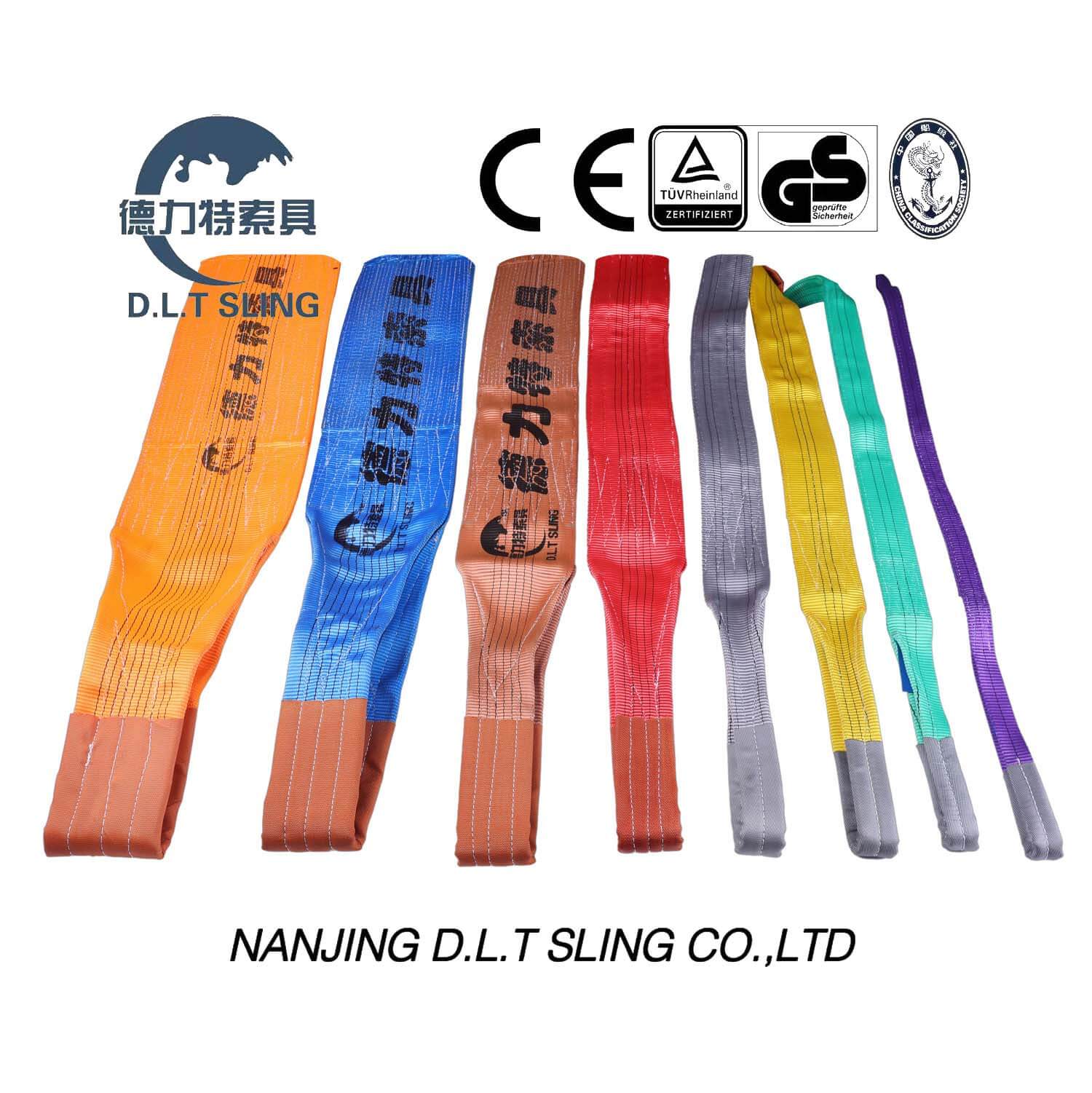
    Understanding the concepts of WLL, SWL, and MBS is fundamental to the safe and effective use of webbing slings. Adhering to the recommended guidelines, load calculations, and safety factors ensures that the slings can support the intended load within their rated capacity. By prioritizing safety and compliance with industry standards, businesses can mitigate the risks associated with lifting operations and enhance safety.webbing sling

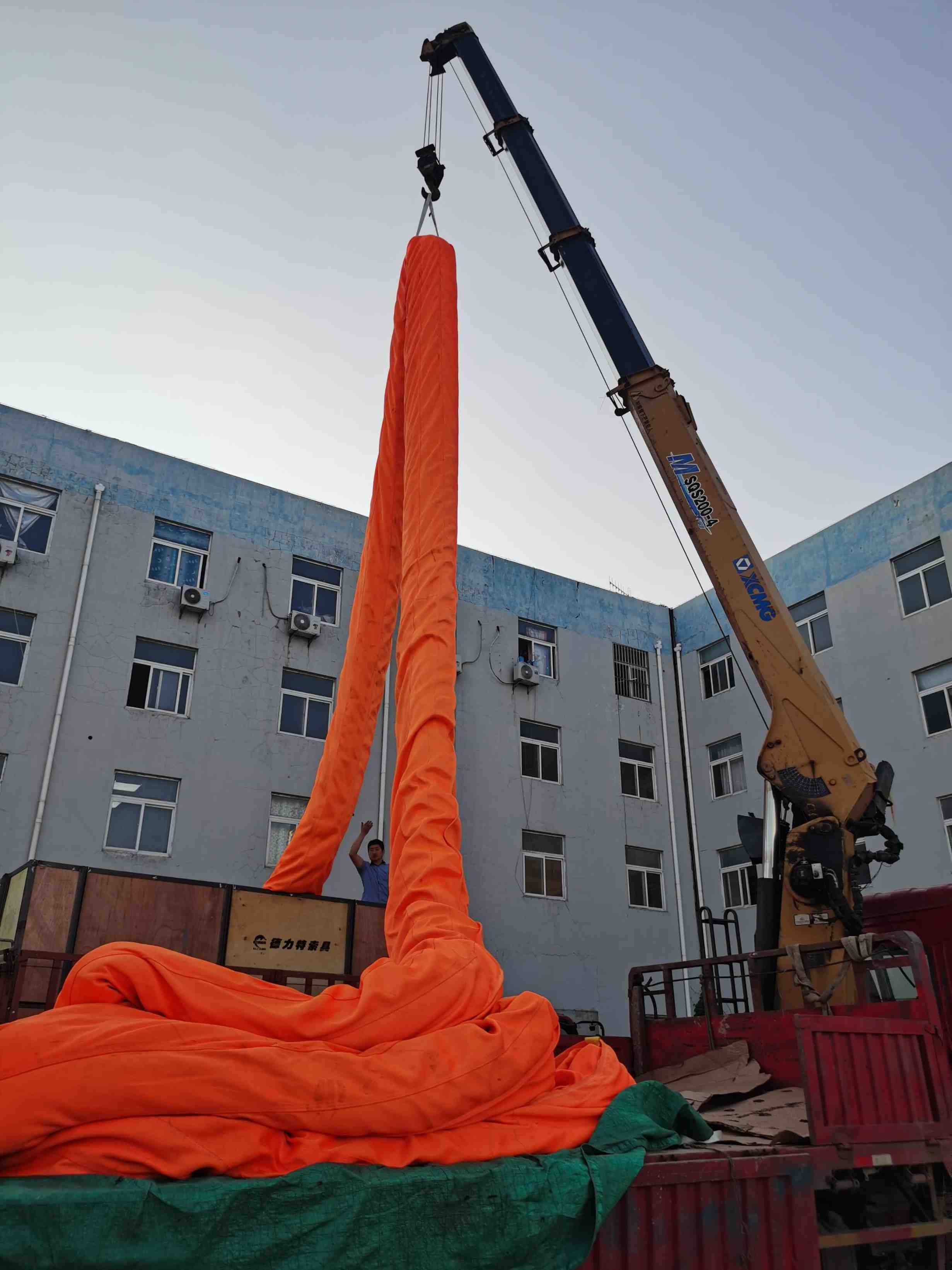
  • Unveiling the Manufacturing Process of 1100T Slings How We Ensure Top Quality

    When it comes to heavy lifting operations, having reliable and high-quality equipment is essential. One such crucial component is the 1100T sling, widely used in various industries for lifting heavy loads. In this blog post, we will take you on a journey through the manufacturing process of 1100T slings, revealing the stringent measures we employ to ensure top quality and optimal performance.

    Material Selection:

    The foundation of any quality sling lies in the choice of materials. For the manufacturing of our 1100T slings, we carefully select robust and durable materials that can withstand high load capacities and adverse conditions. The primary material used is premium-grade polyester webbing, known for its exceptional strength-to-weight ratio and resistance to abrasion and UV degradation.

    Rigorous Testing:

    To guarantee the safety and reliability of our 1100T slings, our manufacturing process includes rigorous testing at multiple stages. The slings undergo thorough load testing to determine their Working Load Limit (WLL) and Minimum Breaking Strength (MBS). These tests ensure that the slings can handle the specified weight limits and maintain their integrity even under extreme conditions.

    Quality Control:

    Quality control is a crucial aspect of our manufacturing process. Our team of skilled technicians carefully inspects each component of the 1100T sling, including the webbing, stitching, and hardware. Adhering to strict quality control standards, we ensure that every sling leaving our facility meets or exceeds industry regulations and customer expectations.

    Traceability and Certification:

    To provide peace of mind to our customers, we maintain meticulous traceability records throughout the manufacturing process. Each 1100T sling is assigned a unique identification number, enabling us to track its production history and components used. Additionally, our slings are accompanied by relevant certification, confirming compliance with international safety standards and regulations.

    Ongoing Research and Development:

    We understand the importance of staying at the forefront of technological advancements in sling manufacturing. Our commitment to ongoing research and development allows us to continually improve the design and performance of our 1100T slings. By incorporating new materials, innovative stitching techniques, and advanced manufacturing processes, we strive to deliver slings that exceed industry standards.

    The manufacturing process of 1100T slings is a comprehensive and meticulous journey that entails careful material selection, rigorous testing, stringent quality control measures, and a commitment to ongoing research and development. By adhering to these principles, we ensure that our slings offer unmatched reliability, safety, and performance for heavy lifting operations. When choosing 1100T slings for your lifting needs, you can trust in our dedication to delivering top-quality products that meet the highest industry.

    1100T round sling

  • How to Choose the Right Industrial Chiller for Your Facility?


    Efficient cooling is essential in industrial settings to maintain optimal operations and extend equipment life. Selecting the right chiller can significantly impact both energy efficiency and overall system reliability. Each offers distinct advantages depending on your specific needs.


    Why Choose Water Cooled Systems?

    Water-cooled chillers are a popular choice for large-scale operations because they provide more efficient cooling compared to air-cooled units. A 100 Ton water cooled chiller is well-suited for facilities with high cooling demands, such as manufacturing plants or data centers. By using water to transfer heat, these systems can handle larger loads while maintaining energy efficiency.


    One of the benefits of water-cooled chillers is quieter operation, which can be important in noise-sensitive environments. With proper maintenance, the 100 Ton water cooled chilleroffers reliable, long-term performance, ensuring that your operations run smoothly.


    100 Ton water cooled chiller


    The Efficiency of Water Cooled Screw Type Chillers

    For industries with varying cooling loads, the water cooled screw type chiller is an excellent choice. The screw compressor technology allows for smooth, continuous operation and higher energy efficiency. These chillers are particularly effective in applications with fluctuating temperature requirements, such as food processing or pharmaceuticals.


    Compared to traditional systems, the water cooled screw type chiller offers better part-load efficiency, making it an ideal solution for facilities that do not operate at full capacity all the time. This can result in lower operational costs and reduced energy consumption.


    water cooled screw type chiller

    Tailored Solutions with Customized 100 HP Industrial Chillers

    In some cases, off-the-shelf chillers may not meet the specific demands of your business. A customized 100 HP industrial chiller can be designed to fit your unique needs. Whether you need a system with a specific cooling capacity or one that integrates with your existing infrastructure, customized chillers can offer a solution tailored to your exact requirements.


    Customization allows for optimization of energy use and cooling efficiency, ensuring that the system is built to handle the exact load your facility requires. A customized 100 HP industrial chiller can also include features such as variable speed drives for more precise control over energy consumption.


    Choosing the right chiller depends on factors such as cooling capacity, energy efficiency, and customization needs. Whether you opt for the 100 Ton water cooled chiller for high-capacity cooling, the water cooled screw type chiller for energy savings, or a customized 100 HP industrial chiller for tailored solutions, each system has its advantages. By evaluating your specific cooling requirements, you can make an informed decision that enhances your facility’s efficiency and reduces long-term costs.


  • Do You Know the Differences Between Single Jersey and Double Jersey Circular Knitting Machines?


    Circular knitting machines are essential in textile manufacturing, producing a wide variety of fabrics for the fashion and apparel industries. Among these, single jersey circular knitting machines and double jersey circular knitting machines stand out as two popular types, each offering distinct advantages and characteristics. While they may appear similar at first glance, these machines serve different purposes and are suited for different types of fabrics. In this blog, we will delve into the key differences between these two machines, helping you understand which one might be best for your specific production needs.


    What is a Circular Knitting Machine?

    Before we dive into the specifics, let’s start with a brief overview of what a circular knitting machine is. A circular knitting machine is a type of textile machine that creates a continuous tube of fabric by interlocking yarns in a circular motion. The fabric produced can either be single-layer or double-layer, depending on the machine's design. Circular knitting machines can be used to make a variety of knitted fabrics, including jersey, rib, and interlock fabrics.


    Single Jersey Circular Knitting Machine

    The single jersey circular knitting machines is the most commonly used knitting machine in the textile industry. As the name suggests, it produces single jersey fabric, which is a lightweight, one-sided knit fabric. Single jersey fabrics are usually smooth on one side and slightly textured on the other, making them ideal for a wide range of applications including t-shirts, sportswear, and lightweight dresses.

    Key Features of Single Jersey Machines

    1. One Needle Bed: Single jersey machines typically use a single needle bed, which means that the yarn is looped through only one set of needles. This design is simpler and more efficient for producing lighter fabrics.

    2. Fabric Texture: Single jersey fabric is generally more stretchy, softer, and more breathable than other fabrics. It is especially suitable for garments that require a degree of elasticity, such as t-shirts and casual wear.

    3. Faster Production: Due to the simplicity of the needle configuration, single jersey machines can operate at higher speeds, making them a popular choice for high-volume, cost-effective production.

    4. Usage of Yarns: Single jersey machines are typically used for finer, lightweight yarns, which results in a smoother and more uniform finish.

    5. Versatility: Single jersey fabric can be produced in a variety of patterns, including plain, ribbed, and others, making it highly versatile for different fashion and technical applications.


    Double Jersey Circular Knitting Machine

    On the other hand, the double jersey circular knitting machine is designed to produce double jersey fabric, which is thicker, more durable, and more complex than single jersey fabric. As the name suggests, this machine uses two needle beds, allowing for the creation of two layers of fabric simultaneously. Double jersey fabric has a smooth surface on both sides and is commonly used in heavier fabrics, such as those used in sweaters, sweatshirts, and knitwear.

    Key Features of Double Jersey Machines:

    1. Two Needle Beds: Unlike single jersey machines, double jersey machines have two needle beds that allow them to create two layers of fabric. This makes the production process more intricate but also adds durability and a distinct feel to the fabric.

    2. Fabric Characteristics: Double jersey fabric is generally more stable, has better dimensional stability, and is thicker than single jersey fabric. It is less stretchy but more durable, making it suitable for outerwear and heavier garments.

    3. Slower Production Speed: Due to the additional needle bed and more complex processes, double jersey machines tend to operate at slower speeds compared to single jersey machines. However, this slower production rate allows for greater fabric quality and more intricate designs.

    4. Complexity in Design: Double jersey machines can create a variety of advanced knitting patterns, including interlock and ribbed fabrics, and even fabrics with different textures on the inside and outside. This makes them ideal for producing fabrics with higher functionality and design complexity.

    5. Usage of Heavier Yarns: Double jersey machines are often used to knit heavier and more robust yarns, resulting in thicker fabrics that are more suited for outerwear, heavier garments, or items requiring additional insulation.


    Key Differences Between Single Jersey and Double Jersey Machines

    1. Fabric Type and Usage:

    • Single Jersey Machine: Produces lighter, more elastic fabrics that are perfect for t-shirts, sportswear, and other garments that need flexibility and comfort.
    • Double Jersey Machine: Produces thicker, more stable fabrics ideal for knitwear, sweatshirts, and outerwear. The fabric is smoother on both sides and often more durable.

    2. Production Speed:

    • Single Jersey Machine: Faster production due to a simpler design with only one needle bed, making it suitable for high-volume production.
    • Double Jersey Machine: Slower production because it has two needle beds, resulting in a more complex process and the production of more intricate fabrics.

    3. Fabric Texture and Finish:

    • Single Jersey Machine: Produces a fabric that is usually smoother on one side and slightly textured on the other.
    • Double Jersey Machine: Creates a fabric that is smooth on both sides and thicker, with greater dimensional stability.

    4. Yarn Type and Fabric Weight:

    • Single Jersey Machine: Typically uses lighter, finer yarns to create thinner, stretchier fabrics.
    • Double Jersey Machine: Uses heavier yarns to produce thicker, more durable fabrics that hold their shape better over time.

    5. Versatility and Design:

    • Single Jersey Machine: Primarily used for plain or basic knit designs but can also produce ribbed fabrics. It’s more suited for simpler designs.
    • Double Jersey Machine: Highly versatile and capable of producing more intricate patterns and textures, such as interlock and jacquard, with greater design possibilities.


    Which One Should You Choose?

    The decision between a single jersey circular knitting machines and double jersey circular knitting machines ultimately depends on the specific requirements of your fabric and production needs.

    If you need a lightweight, elastic fabric for casual wear, sportswear, or underwear, the Single Jersey Machine is a great option due to its speed, efficiency, and flexibility.

    However, if your production focuses on creating heavier, more durable fabrics for outerwear, sweaters, or technical textiles, then the Double Jersey Machine would be more suitable, offering greater fabric strength and complexity.


    Both the single jersey circular knitting machines and double jersey circular knitting machines have their unique advantages and applications. Understanding their differences in terms of fabric types, production speed, and design capabilities can help you make an informed choice for your manufacturing process. By selecting the right machine for your needs, you can improve both the efficiency and quality of your fabric production, ensuring that you meet the demands of your customers in the ever-evolving textile market.

    If you're in the market for a circular knitting machine, understanding the specific capabilities of both types will help you achieve the ultimate success in fabric manufacturing. Whether you are producing lightweight, stretchy fabrics or heavy, durable textiles, there’s a circular knitting machine designed to meet your needs.

  • How to Maintain High-Quality Fabric Production with Single Jersey Circular Knitting Machine?


    In the modern textile industry, fabric quality is one of the most critical factors in the production process. Whether it is producing sportswear, underwear, home textiles or fashion apparel, maintaining high quality and consistency of fabrics is the goal pursued by every manufacturer. In order to ensure the accuracy and high quality of fabrics, it is essential to choose an efficient and stable weaving machine. Single jersey circular knitting machine has become an important equipment in the textile industry with its excellent performance and stable output. In this article, we will explore how to ensure high-quality fabric production by using single jersey circular knitting machine.


    1. Precise fabric structure control

    One of the main advantages of single jersey circular knitting machine is its precise fabric structure control. It can accurately adjust every link in the knitting process, including the number of needles, yarn tension and the movement trajectory of the machine needle. This precise control ability greatly improves the density and uniformity of the fabric, thereby ensuring the consistency of fabric quality.

    For different types of fabrics (such as plain, ribbed, etc.), this machine can be set according to different needs to ensure that every part of the fabric maintains a uniform weaving quality. For example, the fabric of sportswear requires high elasticity, while the fabric of underwear requires a smoother and softer texture. Through precise adjustment, the single jersey circular knitting machine can easily meet these special needs.


    2. Efficient automated production

    Automation is an important trend in the modern textile industry. The single jersey circular knitting machine reduces the impact of human factors on fabric quality through an efficient automation system. The machine is equipped with an advanced control system that can automatically monitor and adjust the quality of the fabric during the production process, such as fabric thickness, density and surface smoothness.

    In addition, the machine also has an automatic switching function, which can quickly adjust the production status and reduce the generation of waste in the event of a malfunction or fabric quality problem. The automated production process not only improves production efficiency, but also ensures the consistency of product quality.


    3. High-quality yarn tension control

    In the weaving process, the tension of the yarn is one of the key factors affecting the quality of the fabric. Too high or too low tension will lead to uneven tightness of the fabric, and even problems such as broken threads and defects. The single jersey circular knitting machine adopts an advanced yarn tension control system, which can accurately adjust the tension of the yarn, ensure uniform yarn supply, and maintain stability during the weaving process.

    By optimizing the distribution of yarn tension, the machine can ensure uniform density of each circle of fabric, avoid surface defects of fabric caused by uneven tension, and make the produced fabric smoother and more delicate.


    4. Versatility and adaptability

    Different fabrics have different quality requirements during the production process. The single jersey circular knitting machine can adapt to various types of yarns and fabric structures with its versatility. Whether it is fine yarn or coarse yarn, the machine can accurately adjust the weaving parameters to ensure that the quality of the fabric meets the standards.

    In addition, the machine also supports the production of yarns of different materials, such as cotton, polyester, wool, nylon, etc., and has strong adaptability. By adjusting the various parameters of the knitting machine, manufacturers can produce fabrics of different thicknesses and elasticities according to market demand, thereby broadening the product line and maintaining product consistency and quality.


    5. Quality Control System

    The modern single jersey circular knitting machine is also equipped with an advanced quality monitoring system. The system is able to monitor various quality parameters of the fabric in real time, such as the density, elasticity, smoothness and thickness of the fabric. During the production process, any abnormalities will be discovered by the system in time, and the production parameters will be automatically adjusted to ensure the consistent quality of the fabric.

    This real-time monitoring and automatic adjustment function greatly reduces the cost of manual inspection and improves the stability of the production process. Through these intelligent quality control methods, manufacturers can ensure that the quality of each batch of products meets the standards while ensuring efficient production.


    6. Quality assurance of machine maintenance and upkeep

    While ensuring fabric quality, maintenance and upkeep are also crucial links. Regular maintenance of the machine will not only extend its service life, but also ensure that it is always in optimal working condition. The single jersey circular knitting machine is designed with ease of maintenance and care in mind, with convenient cleaning and inspection features.

    By performing regular machine maintenance, manufacturers can avoid fluctuations in fabric quality caused by equipment failure or wear and tear. Especially during long production cycles, machine stability is particularly important. A reasonable maintenance plan can not only ensure the smooth operation of the production line, but also help maintain the quality of the fabric.


    7. Solutions for high-speed production

    For those customers who require large-scale production, the high speed ​​single jersey knitting machine is an ideal choice. This highly efficient knitting machine offers higher production speeds and greater throughput, making it ideal for high-volume production needs. Compared with traditional knitting machines, it can significantly improve production efficiency while maintaining the stability and consistency of fabric quality. Whether responding to large-scale orders or complex fabric designs, high-speed machines can provide reliable support, helping manufacturers meet market demands and improve competitiveness.


    Whether it is to increase output, optimize production processes, or ensure stable fabric quality, our machines can provide manufacturers with strong technical support and is an indispensable core equipment in modern textile production. 

  • Enhance Workplace Safety with Premier Aluminum Toe Cap Overshoes from Xiamen Workway Protection Technology Co.,Ltd.

    In today’s demanding industrial environments, ensuring the utmost safety for employees and visitors is non-negotiable. At Xiamen Workway Protection Technology Co.,Ltd., our cutting-edge range of steel toe cap overshoes stands at the forefront of protective footwear, offering unmatched durability and protection. Designed to cater to the rigorous demands of various sectors, these overshoes merge superior steel protection with comfort and adaptability, available at www.workwaysafety.com.

    Robust Protection with Steel Toe Caps

    Our safety overshoes redefine protective footwear with their steel toe caps. Unlike traditional materials, steel offers unparalleled strength and resilience, safeguarding against heavy impacts and compression. This makes our steel toe cap overshoes from Xiamen Workway Protection Technology Co.,Ltd. an essential component of workplace safety gear, particularly in industries prone to foot injuries from falling objects or compression.

    Key Features of Our Protective Toe Overshoes

    • Toe Cap Protection: Crafted with high-quality aluminum, the toe caps provide superior protection against impacts, ensuring safety in hazardous work conditions.
    • Non-Slip Safety Overshoes: Equipped with advanced non-slip soles, these overshoes offer exceptional grip on slippery surfaces, significantly reducing the risk of falls and enhancing stability.
    • Industrial Safety Overshoes: With a design that meets the needs of various industrial settings, our overshoes are the go-to choice for comprehensive foot protection.
    • Slip-Resistant Safety Footwear: The slip-resistant feature of our safety footwear is specifically engineered to provide secure footing, making them ideal for environments with high slip and fall risks.
    • Versatile and Comfortable Fit: Our safety overshoes are designed to fit seamlessly over existing footwear, providing protection without compromising on comfort. The adjustable straps ensure a snug fit for all shoe sizes, making them suitable for both employees and site visitors.

    Elevating Safety Standards Across Industries

    Our steel toe cap overshoes are not just protective gear but a commitment to safety and well-being in the workplace. Suitable for construction, manufacturing, logistics, and more, they embody our dedication to providing high-quality, reliable safety solutions.

    Commitment to Quality and Innovation

    At Xiamen Workway Protection Technology Co.,Ltd., we are committed to innovation, quality, and sustainability. Our protective toe overshoes are a testament to this commitment, offering a protective solution that aligns with our values of reliability and environmental responsibility.

    Transform Your Safety Protocol

    Incorporating our steel toe cap overshoes into your safety measures signifies a step towards enhanced protection and compliance with safety regulations. Ideal for a wide range of industries, our products are designed to meet the highest standards of safety and performance.

    Discover how Xiamen Workway Protection Technology Co.,Ltd.'s safety overshoes can revolutionize your approach to workplace safety. Explore our collection today at www.workwaysafety.com and take the first step towards a safer work environment.


  • Exploring the Latest Innovations in Safety Shoe Design

    The Evolution of Safety Shoes: From Function to Fashion

    Safety shoes have come a long way from their traditional, bulky designs. Initially created solely for protection against workplace hazards, modern safety footwear now incorporates stylish elements that appeal to a broader audience. This transformation has been driven by a growing demand for both safety and aesthetics, allowing workers to express their personal style while adhering to safety regulations.

    As a result, we are witnessing a surge in brands that prioritize not only safety features but also fashion-forward designs, making safety shoes more appealing for everyday wear outside of the workplace.

    Innovative Materials: Lightweight , Durable, and Eco-Friendly Options

    Recent innovations in materials have led to the development of safety shoes that are lighter, more durable, and environmentally friendly. Advanced synthetic fabrics, composite toe caps, and breathable membranes are just a few examples of materials that enhance both protection and comfort. These innovations help reduce fatigue during long hours of wear while maintaining the necessary safety standards.

    Additionally, many manufacturers are now focusing on sustainability, utilizing recycled materials and eco-friendly production processes, which not only benefit the environment but also appeal to a growing market of eco-conscious consumers.

    Smart Technology Integration: The Rise of Connected Safety Footwear

    The integration of smart technology in safety footwear is an exciting trend that is reshaping how we think about safety shoes. Features such as built-in sensors can monitor foot health, alert users to potential hazards, and even track movement patterns. This technology not only enhances worker safety but also provides valuable data for employers to improve workplace conditions.

    Moreover, connected safety shoes can sync with mobile devices, allowing for real-time monitoring and communication, making them an essential tool for modern workplaces that prioritize both safety and efficiency.

    Design Meets Ergonomics: Creating Comfort Without Compromising Safety

    Today's safety shoes are designed with ergonomics in mind, striking a balance between comfort and safety. Features such as cushioned insoles, arch support, and shock-absorbing soles are incorporated to ensure that workers can wear their shoes for extended periods without discomfort.

    This focus on ergonomic design not only improves overall comfort but also reduces the risk of injuries caused by fatigue, ensuring that employees remain productive and safe throughout their workday.

    Future Trends in Safety Shoe Design: What to Expect in the Coming Years

    Looking ahead, we can expect further advancements in safety shoe design, with a continuing emphasis on technology and customization. The rise of 3D printing may allow for personalized fits that cater to individual foot shapes, enhancing both comfort and protection.

    Additionally, the incorporation of augmented reality (AR) features in safety footwear could provide real-time data and feedback to users, creating a more interactive experience that prioritizes safety in innovative ways. As technology continues to evolve, the future of safety shoes promises to be as dynamic and adaptable as the environments in which they are used.

  • Women's Safety Shoes A Blend of Protection, Comfort, and Style

    In today's industrial landscape, the importance of women's safety shoes cannot be overstated. These specialized shoes are designed to cater to the unique anatomical needs of women in various work environments, ensuring both safety and comfort. Xiamen Workway Protection Technology Co., Ltd., a leader in the safety footwear industry, understands this need well, offering a range of high-quality women's safety shoes that combine ergonomic design, protective features, and stylish aesthetics.

    Understanding Women's Safety Shoes

    1. Ergonomic Design for Female Feet:
    Women's feet differ from men's in shape and size, necessitating a unique approach to footwear design. Ergonomic women's safety shoes are narrower, with a different arch and heel shape, ensuring a snug and comfortable fit, crucial for those long hours on the job.

    2. Safety Features Tailored for Women:
    Safety toe shoes for women, featuring steel or composite toe caps, provide essential protection in hazardous work environments. Xiamen Workway's products also include puncture-resistant soles and slip-resistant outsoles, meeting and exceeding industry safety standards.

    3. Lightweight and Flexible:
    The lightweight safety shoes for women offered by Xiamen Workway are a testament to the company's commitment to innovative design, ensuring that the shoes are not just safe but also comfortable and flexible.

    From the User's Perspective

    1. Comfort is Key:
    Comfortable safety shoes for women are a priority, and Xiamen Workway's range feels akin to regular sneakers, offering unparalleled comfort without compromising on safety.

    2. Style Matters:
    The stylish women's safety shoes in Xiamen Workway's catalog prove that safety footwear can be both functional and fashionable, catering to the modern woman's desire for style and protection.

    3. Size and Fit Variety:
    Offering a range of sizes, including options for wide or narrow feet, Xiamen Workway ensures that every woman can find her perfect fit, a crucial aspect of both safety and comfort.

    4. Brand Trust and Quality:
    As a reputable brand in the safety footwear industry, Xiamen Workway incorporates feedback from female workers, ensuring their shoes meet the real-world needs of their users.

    Making the Right Choice

    When selecting safety shoes, women should consider the specifics of their job, personal comfort and fit, and aesthetic preferences. Xiamen Workway's durable women's safety shoes are designed to meet various workplace hazards, ensuring that women in different industries can perform their jobs safely and effectively.

    Conclusion

    Women's safety shoes are more than just protective gear; they are a symbol of empowerment and respect in the workplace. Xiamen Workway Protection Technology Co., Ltd. stands at the forefront of this movement, offering advanced safety shoes for women that meet the highest standards of quality and design. As the workforce continues to evolve, the company remains committed to providing the best in safety footwear, ensuring that women's needs in the workplace are met with the utmost care and precision.