{ ratchet tie down }

  • How to Use Ratchet Tie Down Correctly for Safe Cargo Transport

    In modern logistics and transportation, securing cargo properly is one of the most important steps to ensure safety on the road. Among all lashing tools, the ratchet tie down strap is widely used due to its high tension strength, easy operation, and reliability.

    As a professional manufacturer, NANJING D.L.T SLING CO.,LTD specializes in producing high-quality ratchet tie down straps that meet international safety standards, helping customers achieve safer and more efficient cargo control.


    What is a Ratchet Tie Down?

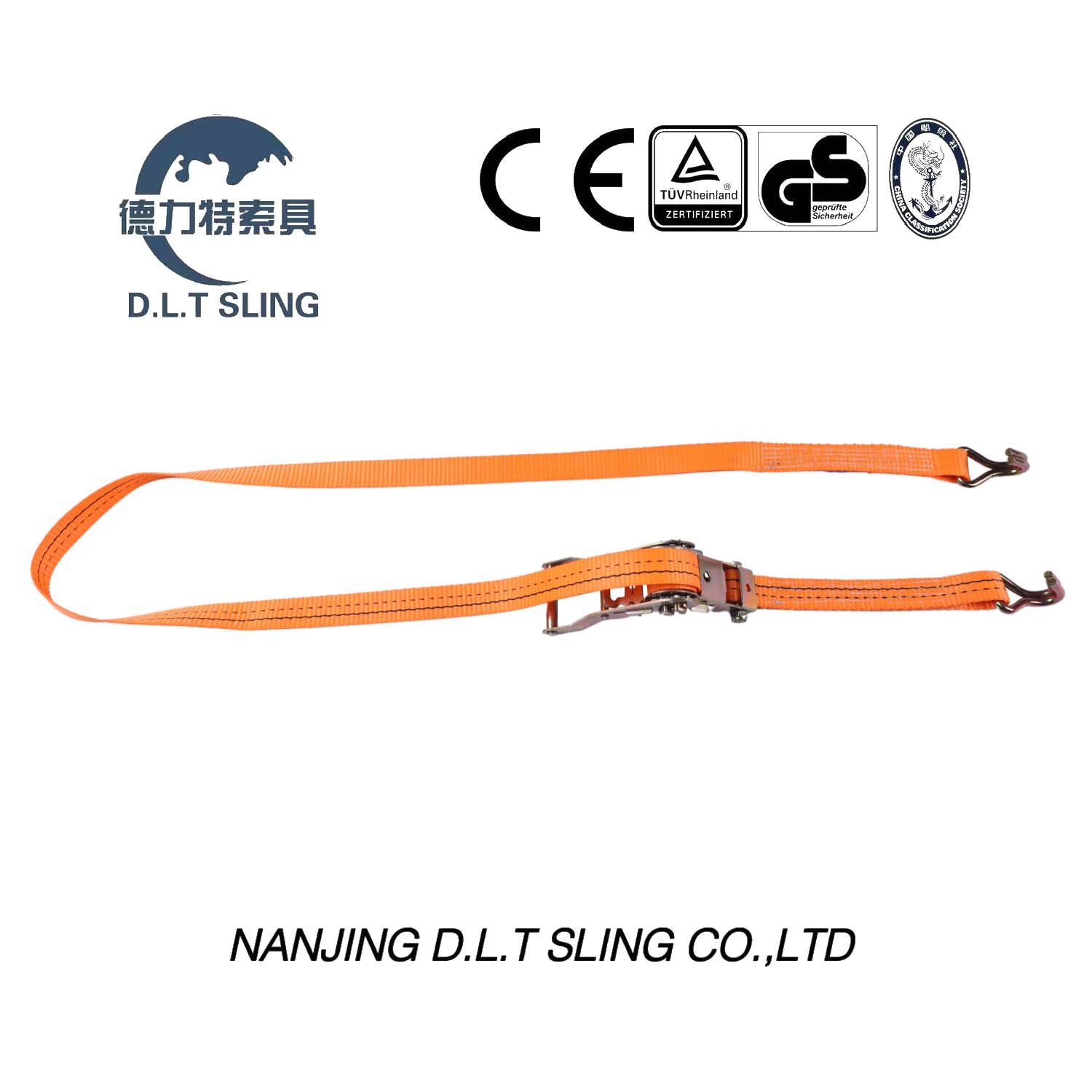
    A ratchet tie down is a fastening device used to secure cargo during transportation. It consists of:

    • High-strength polyester webbing
    • A ratchet buckle mechanism
    • End fittings such as hooks or flat hooks

    By operating the ratchet handle, users can tighten the strap and firmly secure goods in place, preventing movement, sliding, or falling during transport.


    Why Ratchet Tie Down is Important in Cargo Safety

    Using a proper ratchet tie down system provides multiple advantages:

    • Prevents cargo damage during transportation
    • Reduces accident risk caused by shifting loads
    • Improves loading efficiency
    • Reusable and cost-effective
    • Suitable for trucks, shipping containers, and warehouse storage

    Especially in long-distance transportation, a reliable lashing system is essential for road safety compliance.
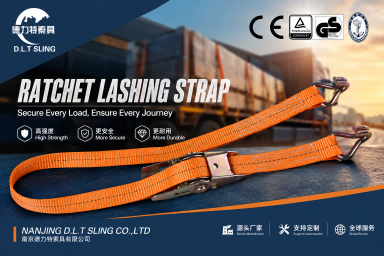
    ratchet lashing


    How to Use Ratchet Tie Down Correctly

    To ensure maximum safety, follow these steps:

    1. Inspect Before Use

    Check the strap for:

    • Cuts or fraying
    • Damaged hooks
    • Deformed ratchet mechanism

    Never use a damaged strap.

    2. Position the Cargo Properly

    Place goods evenly and ensure they are stable before tightening.

    3. Attach Hooks Securely

    Fix both ends of the ratchet tie down to anchor points on the vehicle or container.

    4. Tighten the Strap

    Operate the ratchet handle to gradually tighten the webbing until the cargo is firmly secured.

    5. Lock and Double Check

    Ensure the ratchet is locked and the strap is not twisted.


    Common Mistakes to Avoid

    • Overloading beyond working load limit (WLL)
    • Twisting the webbing during tightening
    • Using damaged or worn-out straps
    • Improper anchoring points

    These mistakes can significantly reduce safety performance.


    Applications of Ratchet Tie Down

    Ratchet tie down straps are widely used in:

    • Logistics and freight transportation
    • Construction material securing
    • Warehouse cargo bundling
    • Motorcycle, ATV, and vehicle transport
    • Shipping container loading

    Why Choose NANJING D.L.T SLING CO.,LTD

    As a professional lifting and lashing products manufacturer, we provide:

    • High-strength polyester webbing (low elongation)
    • WLL up to industrial standards with safety factor 7:1
    • CE & GS certified products
    • OEM & customized logo service
    • Strict quality control system
    • Wide range: ratchet tie down, webbing sling, round sling, cargo net, etc.


    We are committed to providing safe, reliable, and durable lifting and lashing solutions for global customers.
  • Why Are They Called Ratchet Straps?

    Ratchet straps are essential tools for securing cargo during transportation, ensuring that items remain stable and safe while being moved. But have you ever wondered why they are referred to as "ratchet straps"? The name itself provides a clue to one of the key components that sets these straps apart and makes them so effective in their purpose.


    The term "ratchet" in "ratchet straps" refers to the mechanism incorporated into these straps that allows for incremental and controlled tightening of the strap. This ratcheting mechanism consists of a gear and a pawl that work together to prevent the strap from loosening once tension is applied. This design enables users to tighten the strap securely around the cargo with ease and precision, providing a level of control that other types of cargo straps may lack.


    The ratcheting mechanism works by allowing the user to pull the loose end of the strap through the ratchet and then crank the handle back and forth. With each back-and-forth motion, the gear inside the ratchet tightens the strap incrementally until the desired level of tension is achieved. The pawl, a small metal piece with teeth, holds the strap securely in place, preventing it from unwinding and maintaining the tension throughout the journey.


    This design feature of ratchet straps offers several advantages over traditional straps with simple buckles or cam buckles. The ratcheting mechanism allows for greater control over the tension applied to the strap, ensuring a tighter and more secure hold on the cargo. This precise adjustment capability is particularly useful when securing heavy or irregularly shaped loads that require extra stability during transportation.


    The name "ratchet straps" underscores the innovative and efficient design of these cargo securing tools. By combining strength, durability, and the precise tightening action facilitated by the ratcheting mechanism, ratchet straps have become a preferred choice for professionals in various industries, including logistics, transportation, construction, and moving services.


    The term "ratchet straps" reflects the unique functionality and efficacy of these cargo securing devices. The ratcheting mechanism plays a pivotal role in providing users with the control and security needed to ensure that their cargo remains safe and stable during transit. With their ease of use, reliability, and precision tightening capabilities, ratchet straps continue to be a go-to solution for professionals seeking a dependable and efficient method of securing loads for transportation.

    ratchet tie down

  • What is a Ratchet Tie-Down Used For?

    Ratchet tie-down, also known as ratchet straps or tie-down ratcheting straps, are essential tools for securing and transporting loads. With their robust construction and convenient ratcheting mechanism, these versatile straps are widely used in various industries such as logistics, construction, and transportation. In this blog post, we will explore the uses, benefits, and proper handling of ratchet tie-down.

    Ratchet straps are specifically designed to provide a secure and reliable method of securing cargo. They are made up of durable materials like polyester webbing, which offers excellent strength and resistance to abrasion and UV rays. The mechanism of a ratchet strap consists of a ratcheting device, which allows for easy tightening and release of the strap. This mechanism ensures that the load remains firm and secure during transportation, preventing any movement or potential damage.

    One of the primary uses of ratchet tie-down is securing heavy loads during transportation. Whether you're transporting goods in a truck, trailer, or on a roof rack, ratchet straps can effectively fasten the cargo in place. They are commonly used to secure items such as furniture, machinery, appliances, construction materials, and even vehicles. The adjustable length of the strap allows for versatile usage, accommodating various load sizes and shapes.

    The benefits of using ratchet tie-down are numerous. Firstly, their ratcheting mechanism enables precise tensioning, providing a tight and secure hold on the load. This significantly reduces the risk of the cargo shifting or becoming loose during transit. Secondly, the strength and durability of polyester webbing ensure that the strap can withstand the stresses associated with heavy loads. This gives users peace of mind knowing that their cargo is well-protected.

    Proper handling and usage of ratchet tie-down are crucial for ensuring safety and maximizing effectiveness. Here are a few important guidelines to follow:

    1. Select the appropriate ratchet strap for your specific application, considering factors such as load weight, size, and transportation method.

    2. Carefully inspect the strap before each use to ensure there are no signs of wear, cuts, or damage. Replace any worn-out or damaged straps immediately.

    3. When securing the load, make sure the strap is positioned correctly and evenly distributed across the cargo. Avoid twisting or overloading the strap.

    4. Once the load reaches its destination, release the tension slowly using the ratchet mechanism, and carefully remove the strap.

    By following these guidelines, you can ensure safe and effective use of ratchet tie-down for your cargo securing needs.

    Ratchet tie-down are indispensable tools for safely securing and transporting loads. Whether you're hauling equipment, materials, or personal belongings, these reliable straps provide the strength and convenience you need. Remember to choose high-quality ratchet straps and adhere to proper handling techniques to ensure the safety of your cargo. Invest in ratchet tie-down today and experience the peace of mind that comes with secure load.


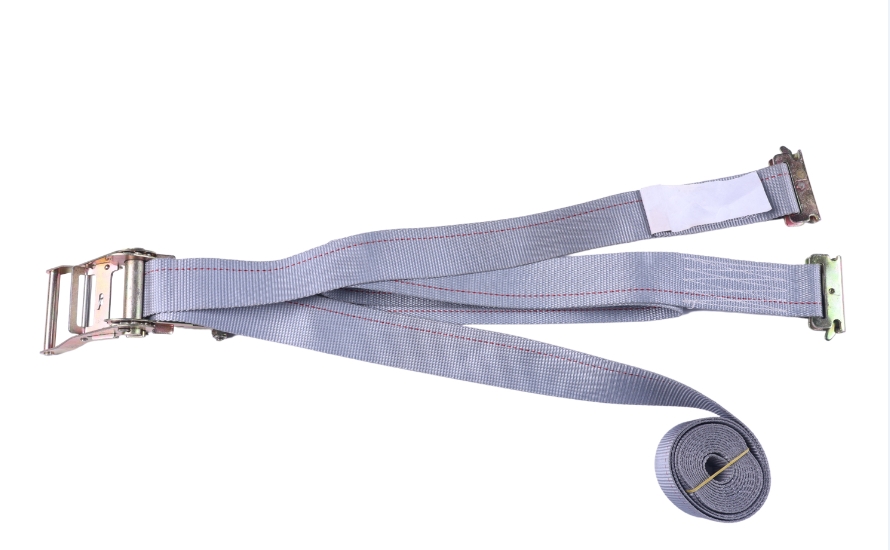
    polyester ratchet tie down