Aerosol Cans Unlocked How They Really Work
|
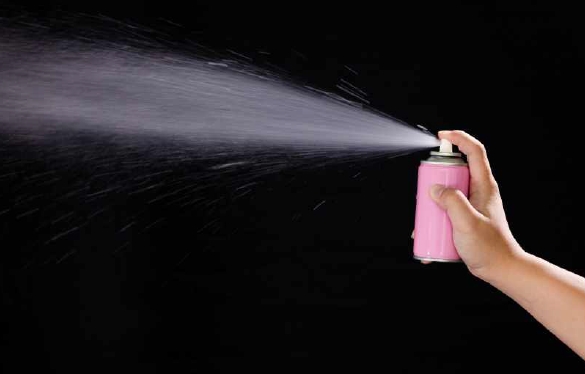
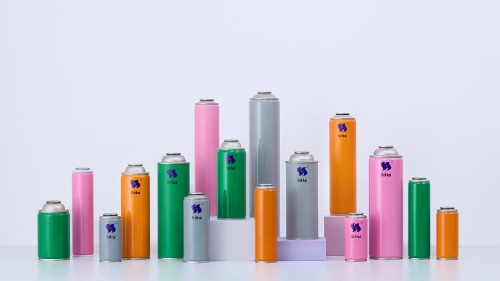
An aerosol can is a self-contained dispensing system that stores and releases products in a fine mist,spray, or foam. These cans are widely used for everything from household cleaners and personal care products to industrial lubricants and medical treatments. But how do they work?
The Five Key Elements of an Aerosol Can
- Active Ingredient– This is the primary substance being dispensed, such as insecticide, paint, deodorant, or even antibiotics in medical inhalers.
- Solvent – A liquid that keeps the active ingredient at the right consistency, ensuring smooth application. Without it, some products might separate or clog the nozzle.
- Propellant – A pressurized gas (like butane, propane, or nitrogen) that forces the active ingredient out of the can when the valve is opened.
- Container – A sturdy, leak-proof canister (usually made of steel or aluminum) that protects the contents from contamination, evaporation, and external pressure changes.
- Valve – A spring-loaded mechanism (often activated by a button or nozzle) that controls the release of the product. When pressed, it opens to let the propellant push the mixture out.
How Aerosol Cans Work
When you press the valve button, the propellant—which is stored under high pressure—forces the active ingredient and solvent out through the nozzle. The design of the nozzle determines whether the product comes out as a fine mist, a steady stream, or a foam.
- Solvent’s Role – The solvent ensures even distribution. For example, in spray paint, it prevents clumping, while in asthma inhalers, it helps deliver medication as a fine, breathable mist.
- Shaking Before Use– Many aerosols require shaking to remix ingredients that may have settled (like paint pigments or sunscreen agents). This ensures the propellant can effectively push out a consistent mixture.
Safety & Environmental Considerations - Pressurization Risks –Aerosol cans can explode if punctured or exposed to high heat due to the compressed gas inside.
- Environmental Impact – Traditional propellants like chlorofluorocarbons (CFCs) were phased out for harming the ozone layer. Modern aerosols use safer alternatives like hydrocarbons or compressed air.
- Recycling –Empty aerosol cans are often recyclable, but must be completely empty to avoid pressure hazards in recycling facilities.
Aerosol technology continues to evolve, offering precise, convenient, and efficient ways to deliver a wide range of products—making them a staple in homes, industries, and healthcare.