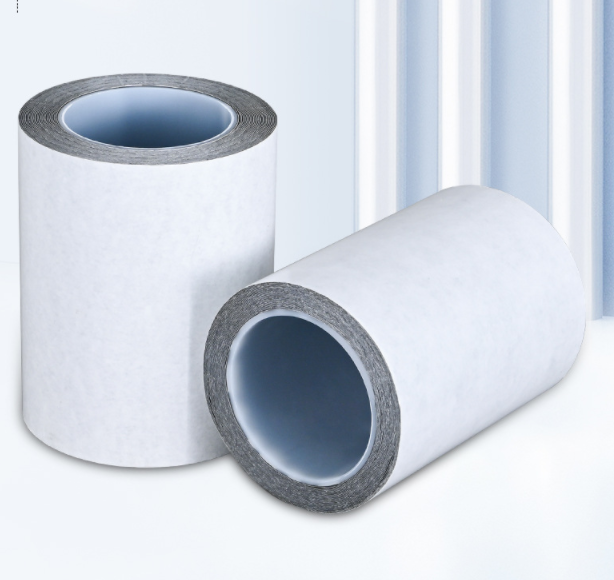
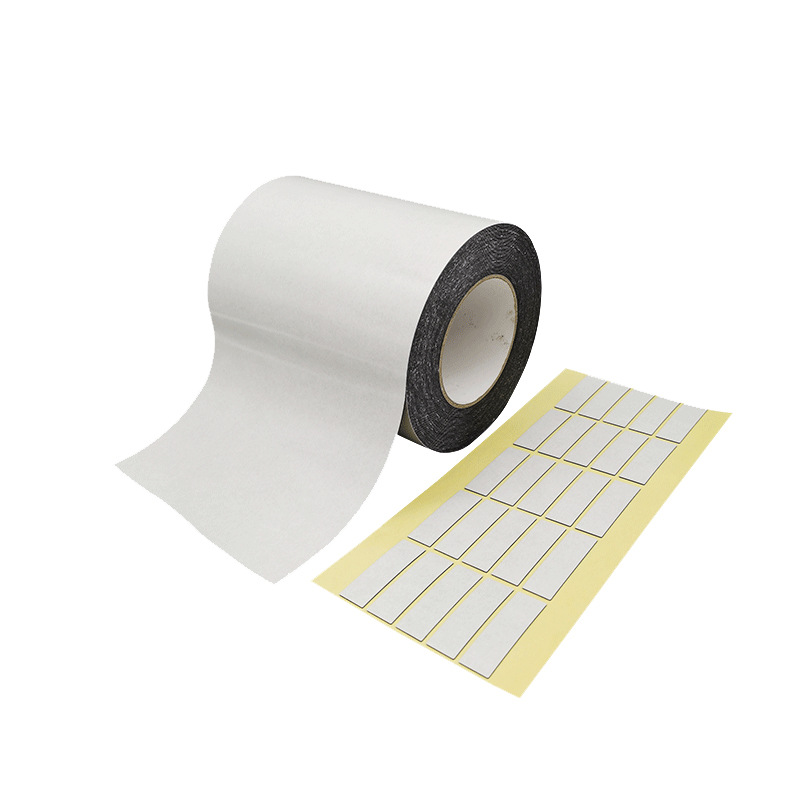
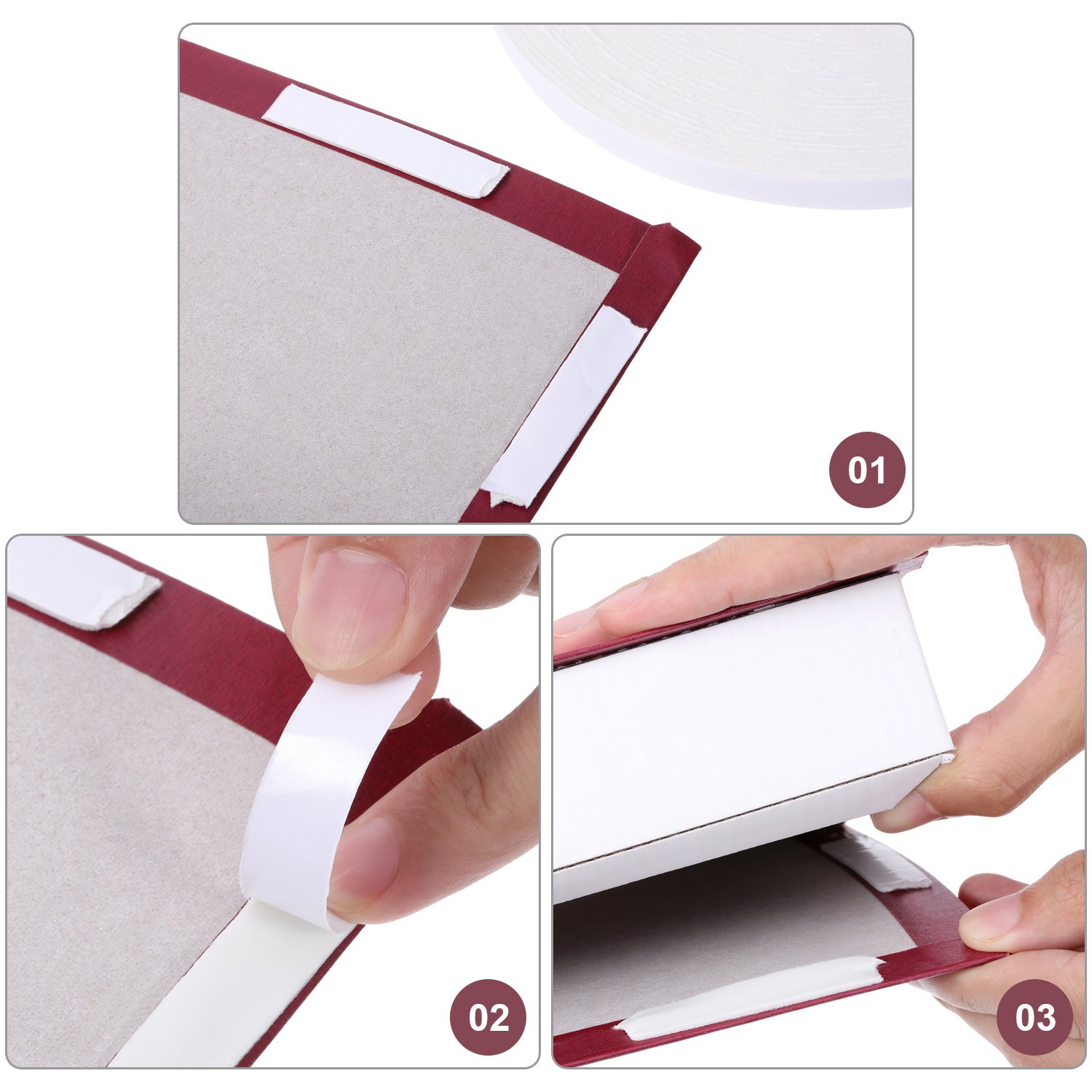
• what is pe ultra-thin waterproof tape?

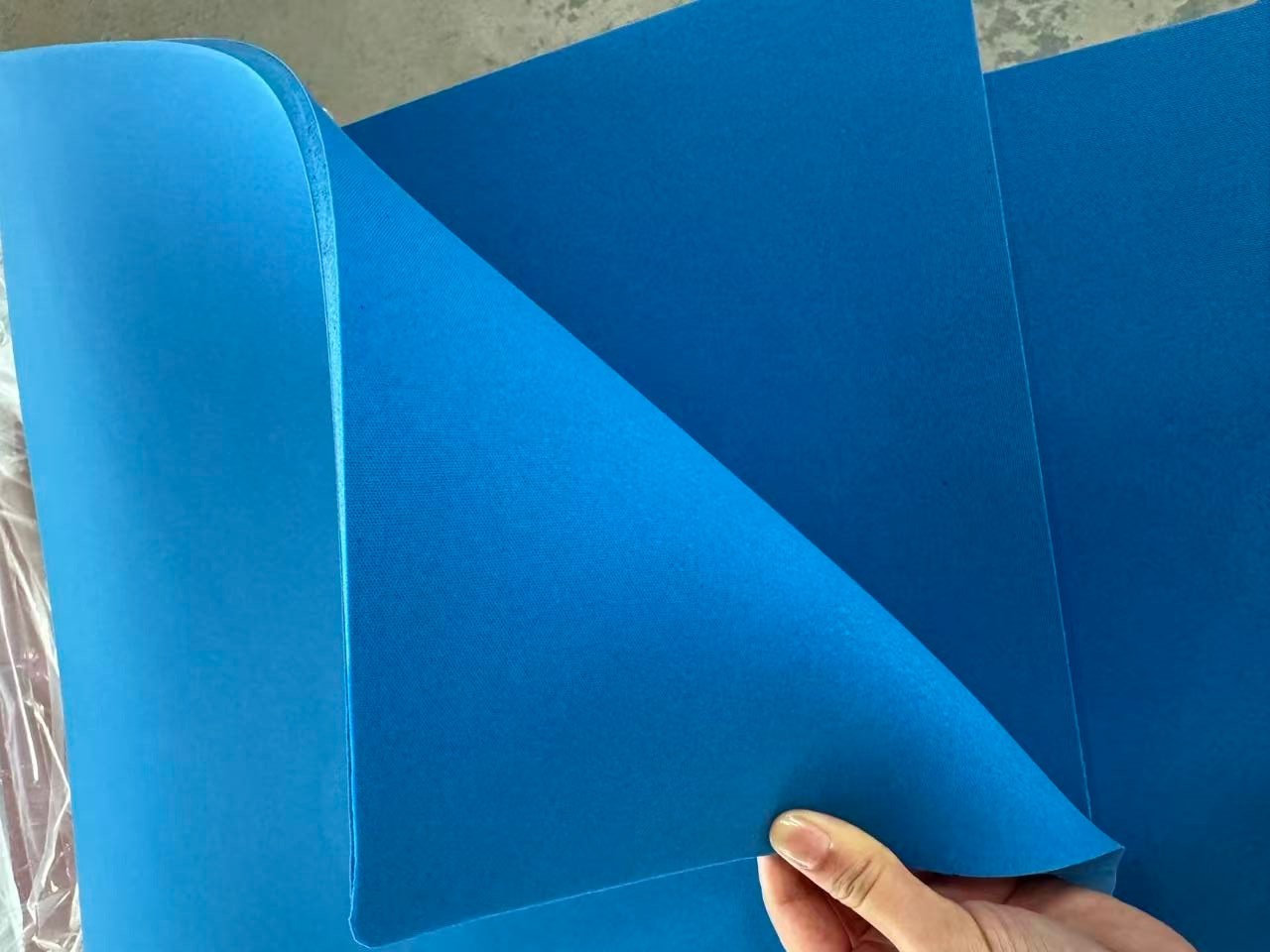
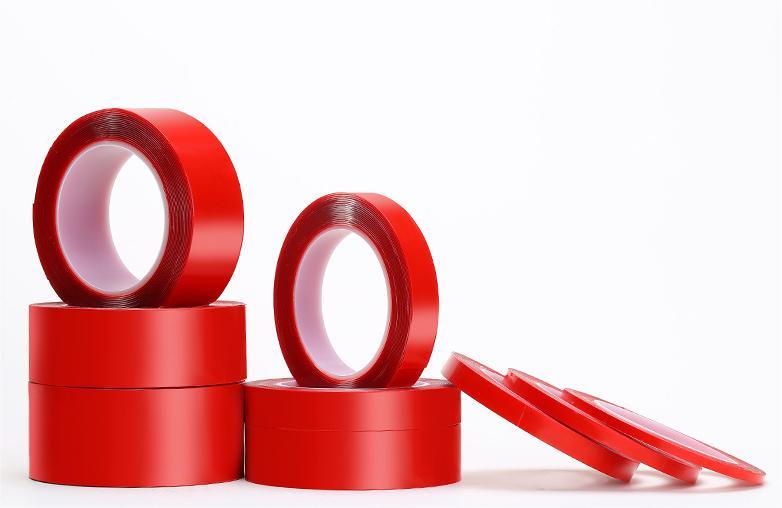
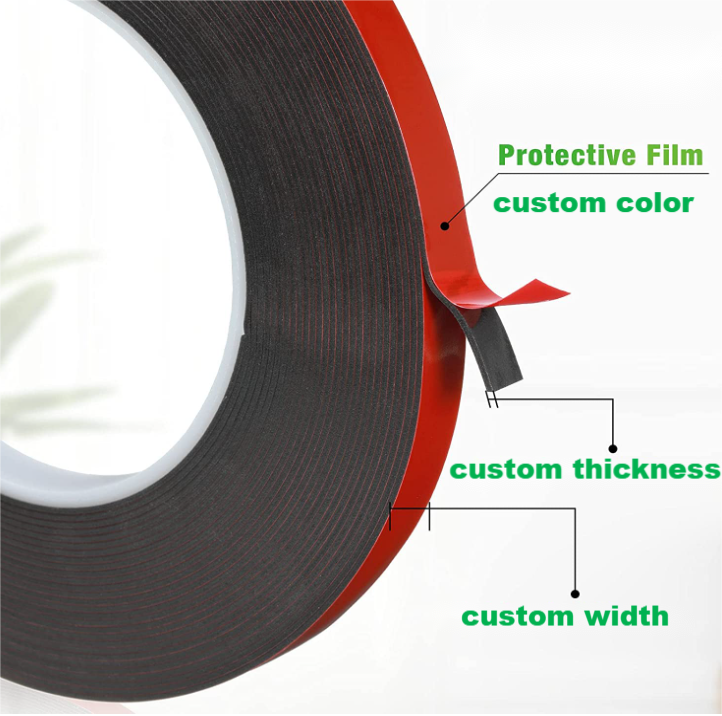
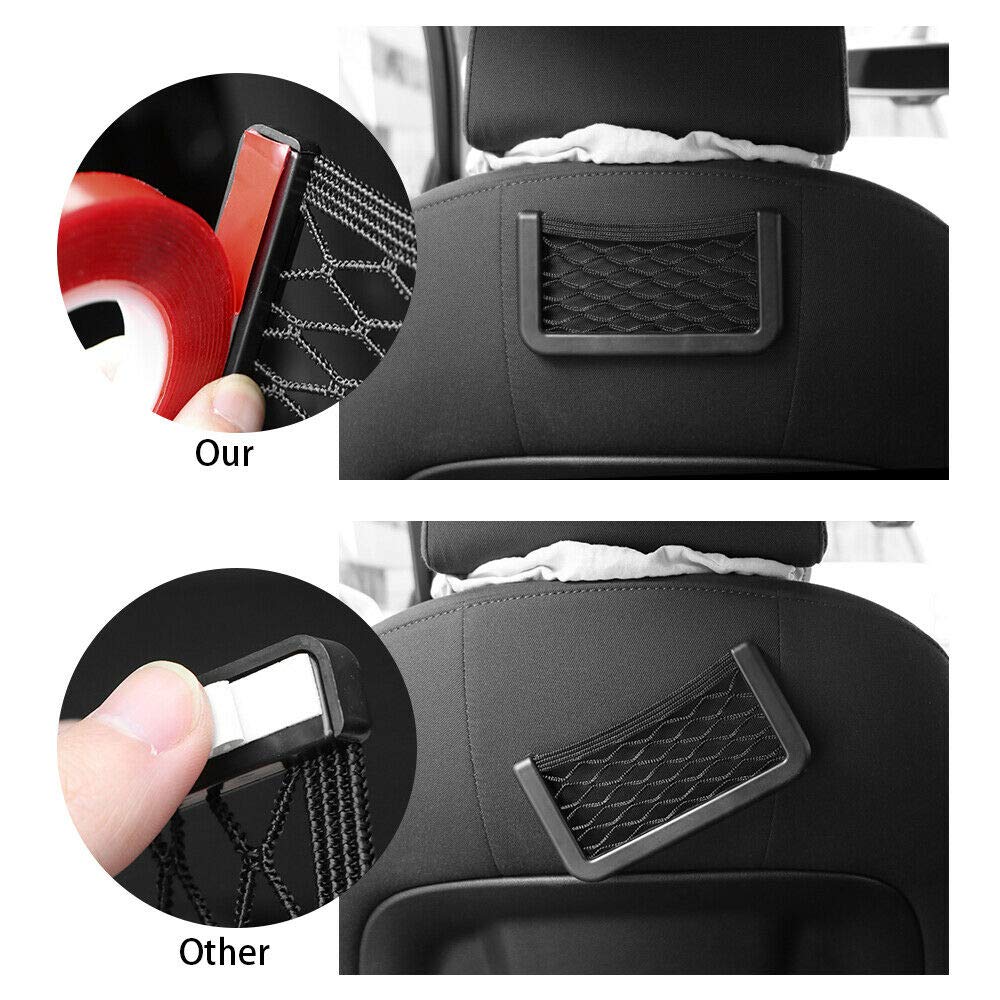
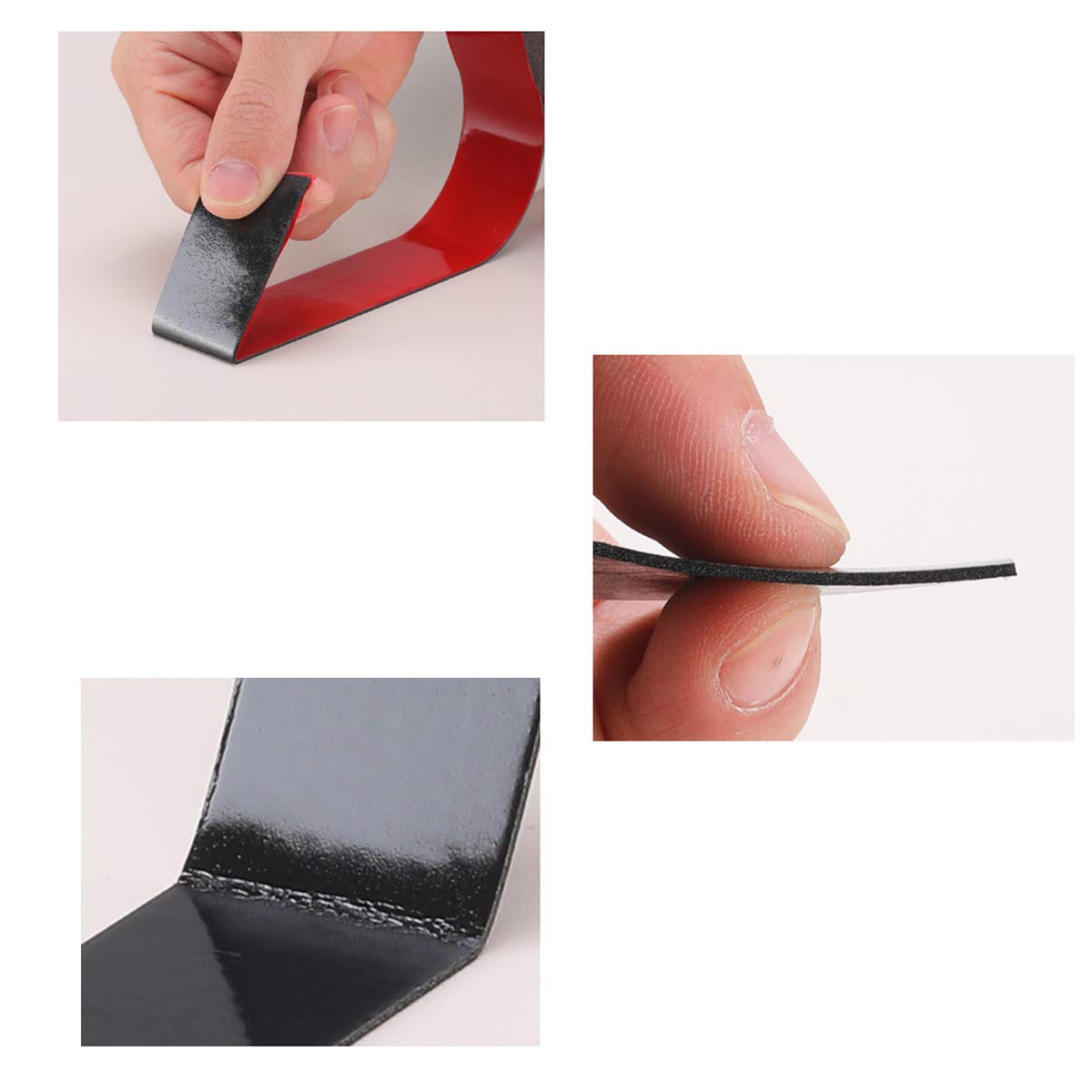
          Ultra-thin waterproof PE foam double-sided tape, which is based on ultra-thin PE foam, is coated with acrylic glue on both sides of the foam with different foaming ratios to achieve double-sided stickiness, filling, shock absorption and waterproof sealing. and so on. At present, it has been successfully applied to the fixing of automobile mirrors, the temporary fixing of glass doors and windows, etc.


          Waterproof Foam Tape is a tape with low odor, low VOC LSV technology and tiny individual bubble structure. Using a combination of special polyethylene foam technology, it has excellent properties such as thinness, softness and water resistance. It has very small compression deformation, high sealing performance, good energy absorption, strong recoil, high dimensional stability, processing, and excellent temperature resistance, flame retardancy and weather resistance. Aging, waterproof and other properties.The product is suitable for laptop computers, mobile phones, and plays the role of shock absorption, protection and does not affect the metal. It can also be used for some texts and equipment as feet.


    Product performance:

    1. Ultra-thinness - support the ultra-thin compound miniaturization of products

    2. Water resistance - materials in the field of waterproofing, up to the seventh level of waterproofing

    3. Dust resistance - dust-proof performance

    4. Low rebound - prevent the panel and frame from being deformed

    5. Shock absorption - up to 55% shock absorption rate, shockproof and cushioning options

    6. High temperature and high humidity characteristics - stability and weather resistance in harsh environments

    7. Softness - although it is thin, it is very soft and has good compression properties


    Product Usage:

    1. Cell phone, computer, PDA, PSP and other LCD or casing buffer, dust-proof gasket

    2. Keyboard pad buffer, dust-proof gasket

    3. Camera gaskets for cameras and camcorders

    4. Washers for speaker shock-proof, buffering and dust-proofing

    5. LED shading, dust-proof gasket

    6. Various waterproof gaskets

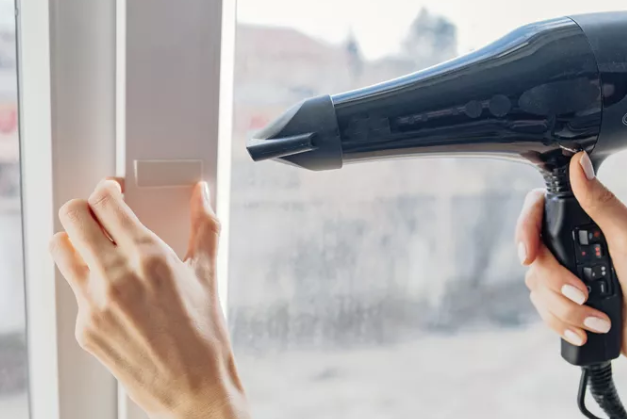
    7. Fixed window

    8. Electronic cigarette is waterproof

  • What is PE foam tape? Where to use it?

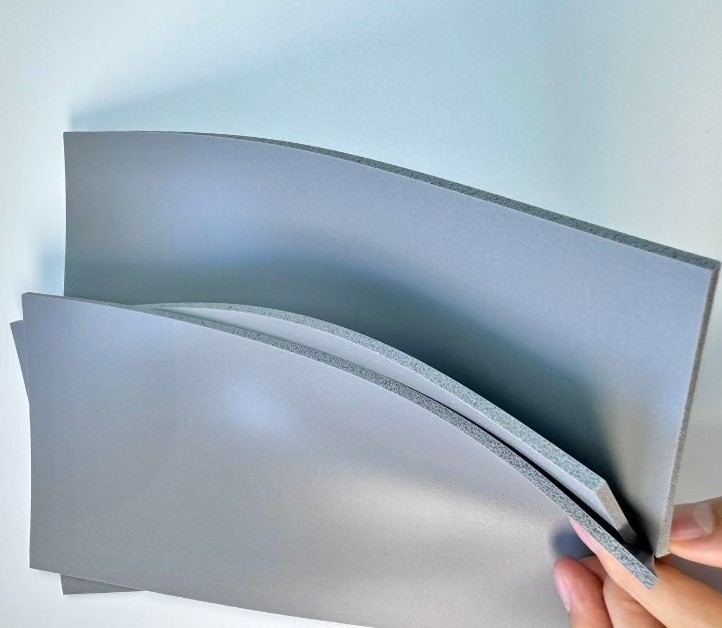
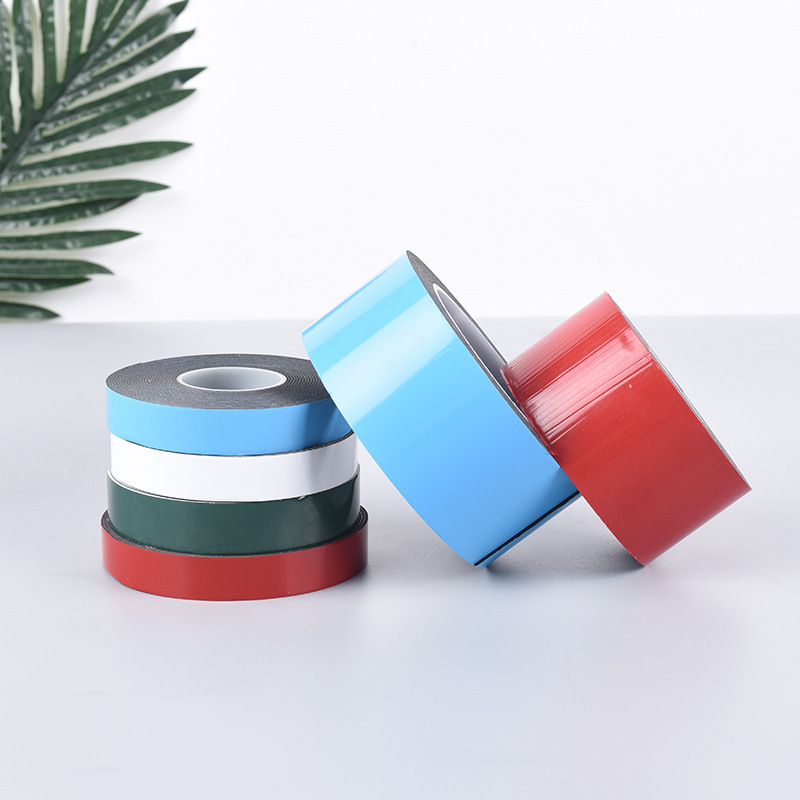
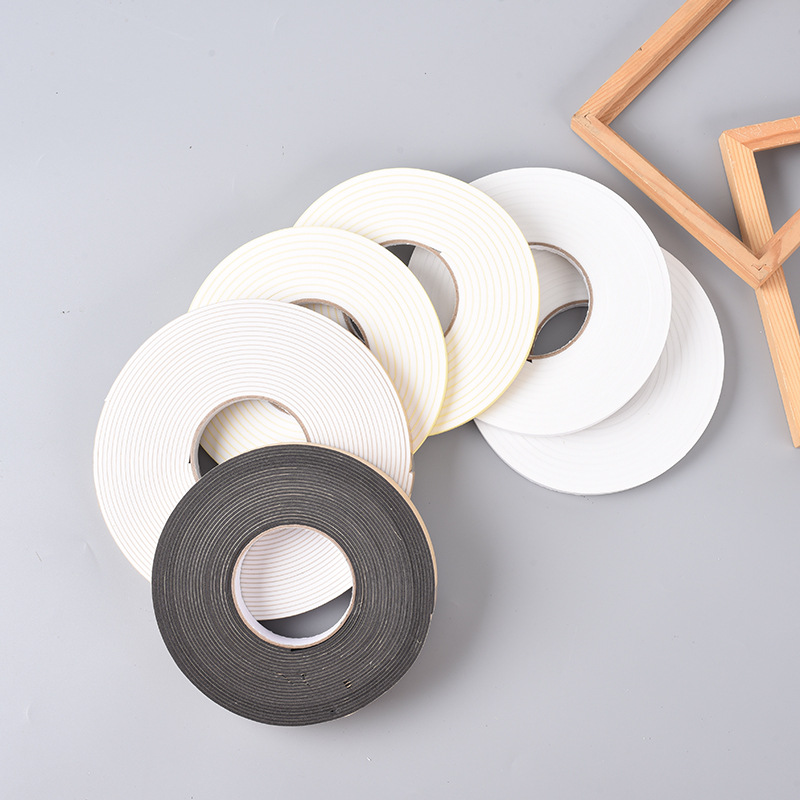
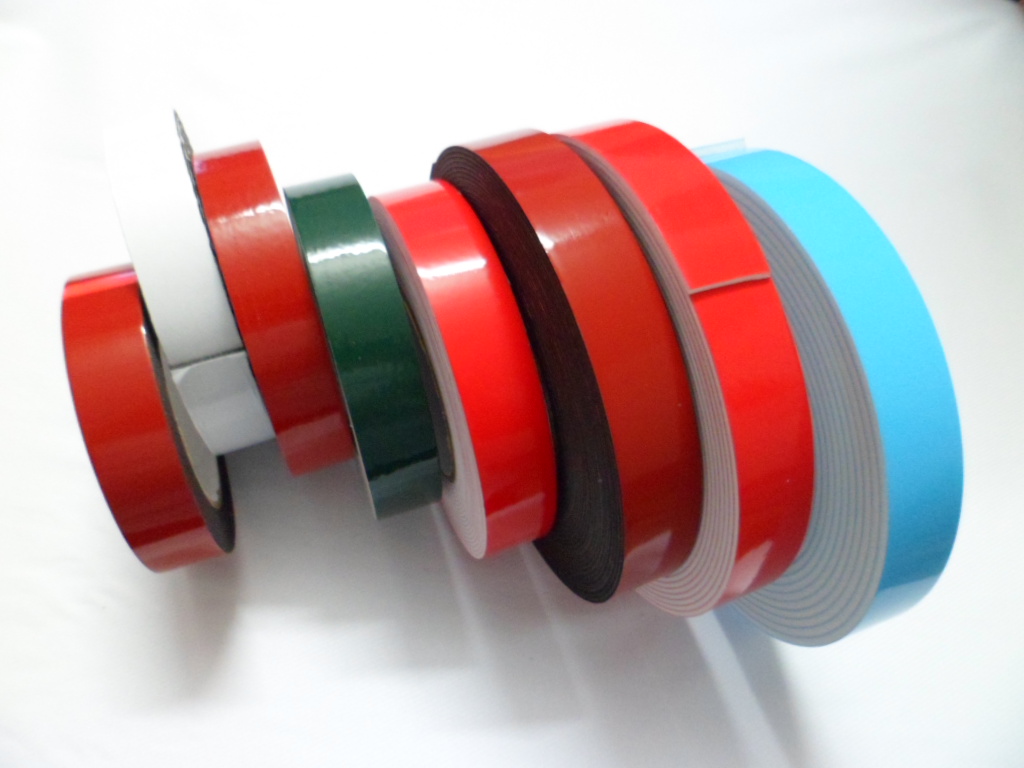
    PE black foam double-sided tape Grey foam double-sided tape White foam double-sided tape

         Scope of application: PE foam double-sided adhesive/single-sided adhesive is based on PE foam, and one-sided/double-sided coated with high-efficiency oil-based acrylic adhesive. It can be widely used in automobiles, wall decorations, ceramic wood surfaces, among which PE foam double-sided adhesive produced with high temperature resistant acrylic oily glue with PE foam as the base material is more and more widely used.


     PE foam tape substrates can be divided into three categories: white, gray and black.

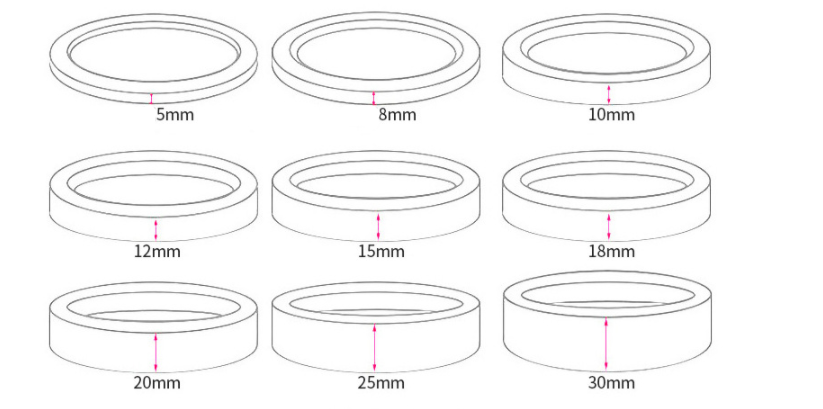
         Thickness: 0.25mm, 0.3mm, 0.4mm, 0.5mm, 0.8mm, 1.0mm, 1.2mm, 2.0mm, 3.0mm.

         Glue system: Acrylic solvent glue.

         Paste and surface: separate with release paper and release film (red.green.blue).

         Uses: It is suitable for sticking and fixing of photo frame decorative strips, car decorative strips, wave boards, wheel arcs, baffles, plate brake lights, automobile and motorcycle signs, etc.

         Features: good adhesion retention, temperature resistance, water resistance, solubility resistance and plasticity resistance.

         Applicable temperature: -20℃~120℃.

         Detailed description: Substrate: PE foam

         Glue system: high temperature acrylic solvent-based glue


    In order to suit different designs and different requirements, the colors of colloids are gray, white and black. Features: It has ultra-high adhesiveness, and also has good adhesiveness and durability in high and low temperature environments. Uses: Paste the letters of various automobiles and motorcycles, structural bonding and fixing of various electrical appliances and hardware;It can be processed into various specifications according to customer requirements, and can also be punched into various shapes. Note: It can be cut to 3mm, 4mm... and other specifications on behalf of customers.


    Product Features and Uses


    1. Features of this product: waterproof, anti-solvent, high temperature resistance, good obedience on curved surfaces, and can fill up uneven surfaces.

    2. Main applications ①: automotive trim strips, front trim strips, rear trim strips, door sill strips, rear guards, stainless steel fuel tank trim covers, pedals, door handles, wheel arcs, baffles, plate brake lights, corner guards Crash strips, bumper bumpers, nameplates, signs, jeep bumper skirts, automotive metal trims, water guides, sealing strips, interior panels, fixing of auto parts; mirrors, weathershields, various Assembly of panels and roofs; pasting of all kinds of car/motorcycle nameplate marking letters.

    3. Main application ②: Adhesion and fixation of letters, Chinese characters and patterns of aluminum, PC, PP and ABS materials in industrial signs and signs; Adhesion and fixation of electronic street signs, LED boards and signage frames; Home appliances and other panels, Decorative strips, assembly of air-conditioning equipment, assembly and fixation of glass LEDs, etc., steel plate bonding, reinforcing rib bonding, fixing glass and stainless steel.

    4. Main applications ③: Mobile phone, PCB, assembly, LCD TV panel bonding, fixed nameplate, sign bonding and fixing; door and window assembly, glass curtain wall, aluminum curtain wall, elevator wall panel installation and fixing.


  • What is reusable nano tape used for?

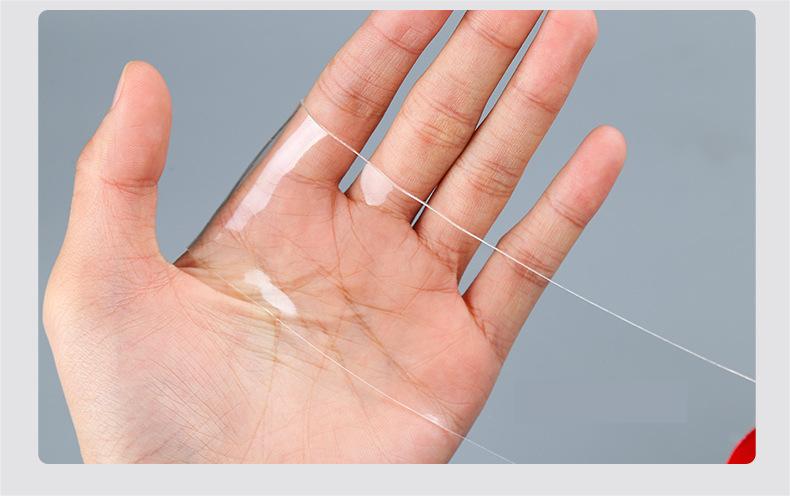
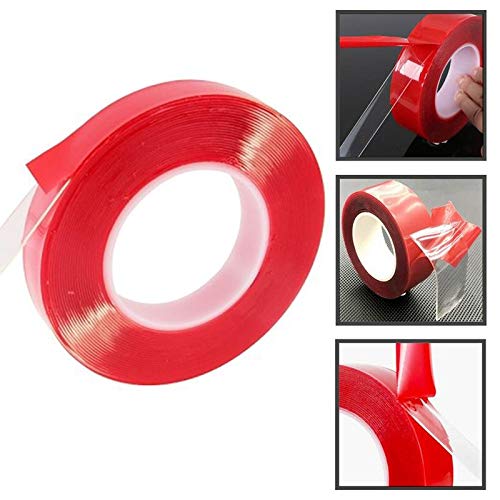
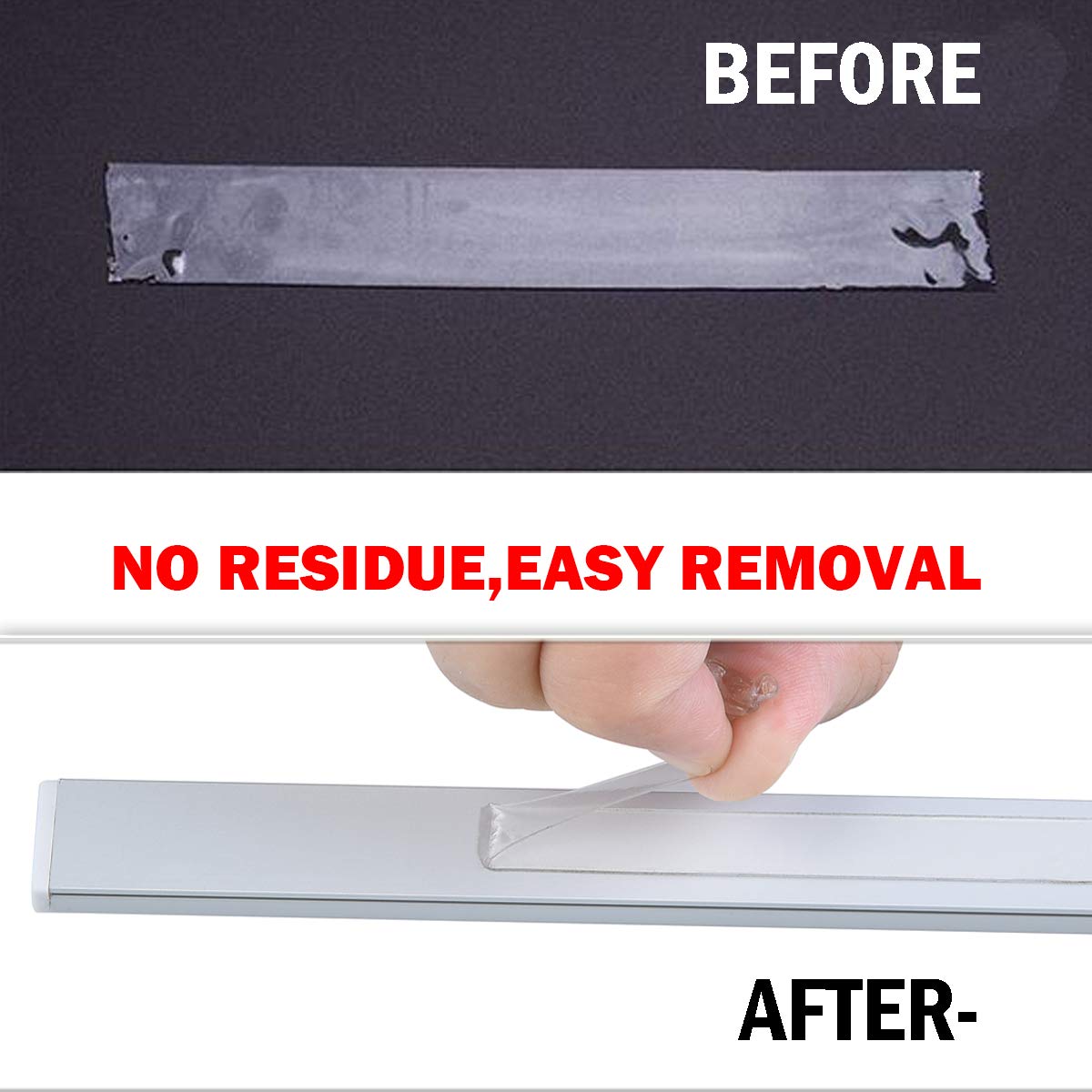
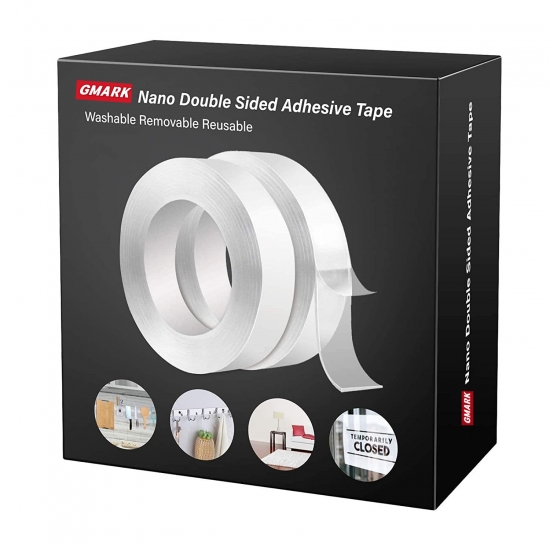
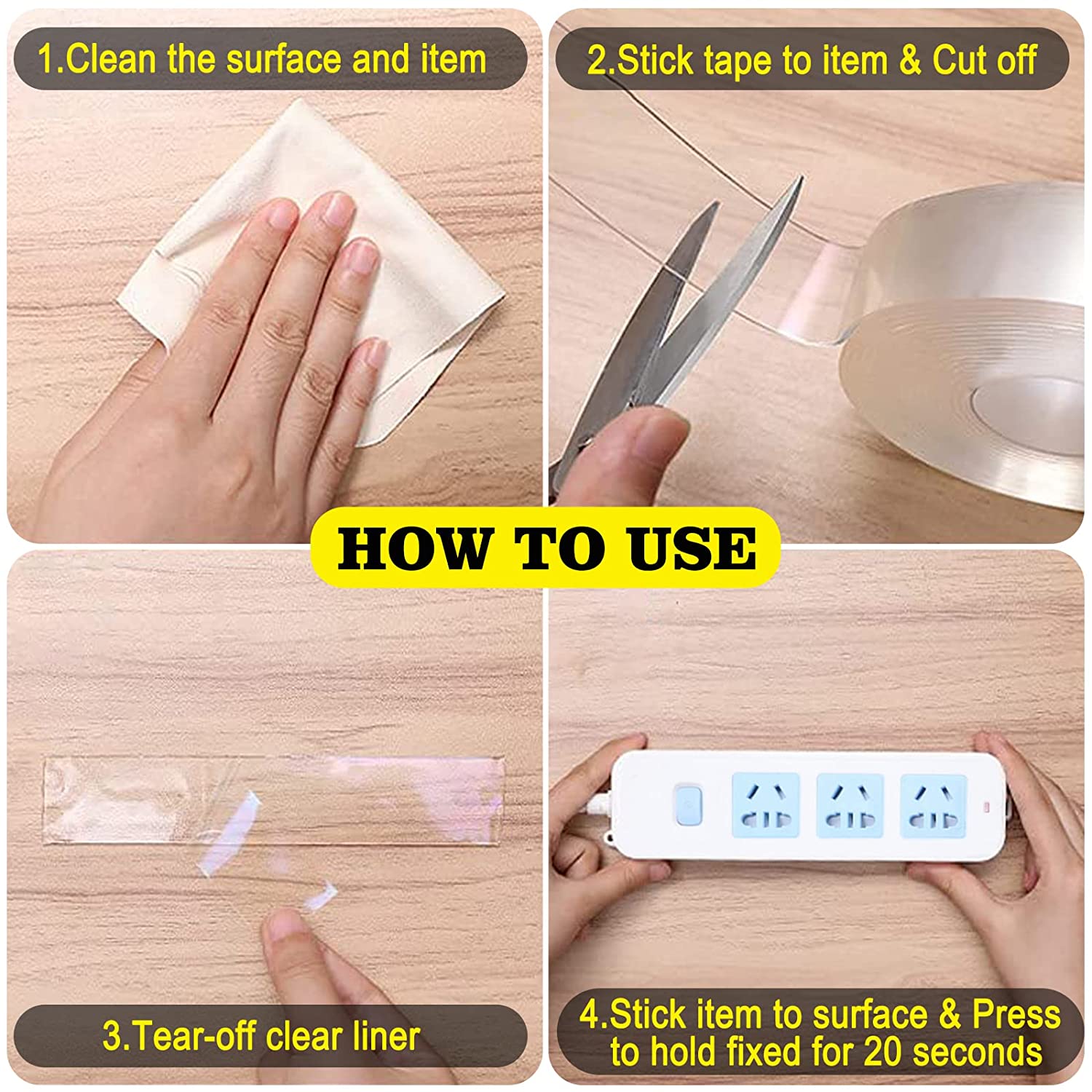
        From the appearance of the product, nano-tape and acrylic tape are very similar, especially when you don't want to destroy the wall to use screws and bolts, you can choose nano-tape. Nano tape is a double-sided transparent non-marking tape that can be used for different purposes such as installation, fixing and even finishing. The special thing about nano tape is that it can be reused without losing its adhesive properties after cleaning. What's even more surprising is that cleaning the tape will only make the tape more sticky!

    Product Usage:


    1.Tidy up the clutter in the room.

    If you often have trouble finding the remote control or other electronic device, just cut a length of nano-tape and stick the remote control or other electronic device on it. If the space at home is relatively small, nano-tape can use the vertical space to keep things neat and tidy, because the color of nano-tape is transparent, if you do not observe carefully, you will not even notice the existence of nano-tape, especially in light-colored areas Nano tape.


    2. Paste the object on the wall.

       Nano-tape can be used to mount the object on the wall without damaging the wall. At the same time, the nano-tape is waterproof and traceless, and can be used in the bathroom or other wet areas, such as hanging bath balls, artworks, and even toothbrushes and cups in the bathroom.


    3. Prevent moving furniture from scratching the floor.

       Sometimes when cleaning, furniture has to be moved. Furniture will not only scratch the surface of the floor, but also make a lot of noise. At this time, the nano tape is useful, just cut the appropriate size and stick it on the bottom of the furniture, and you will find that all the problems are solved.


    4. Fixed decorations.

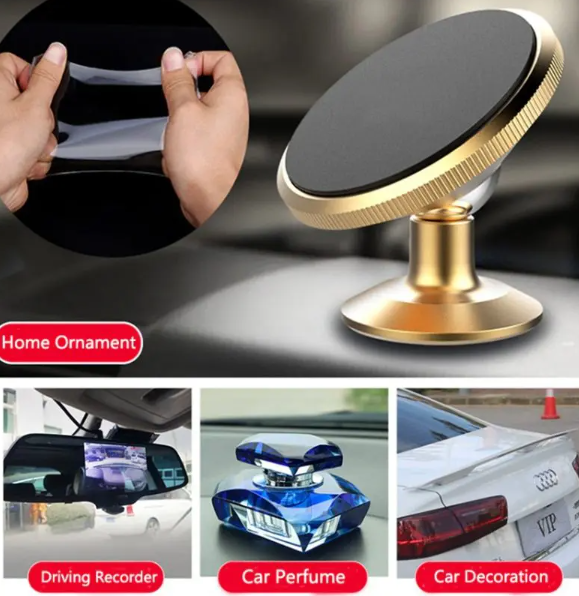
       Considering the time spent in the car on the way to and from get off work, we prefer to decorate our vehicle more beautifully. We will place some lucky pendants or cute and lively decorations on the dashboard in the car to ensure that we Have a happy mood all day. However, when the car is driving, the decoration will inevitably rock back and forth or even fall off. At this time, a small strip of nano-tape is used to fix the decoration in place.


  • What is silicone foam and where is it used?

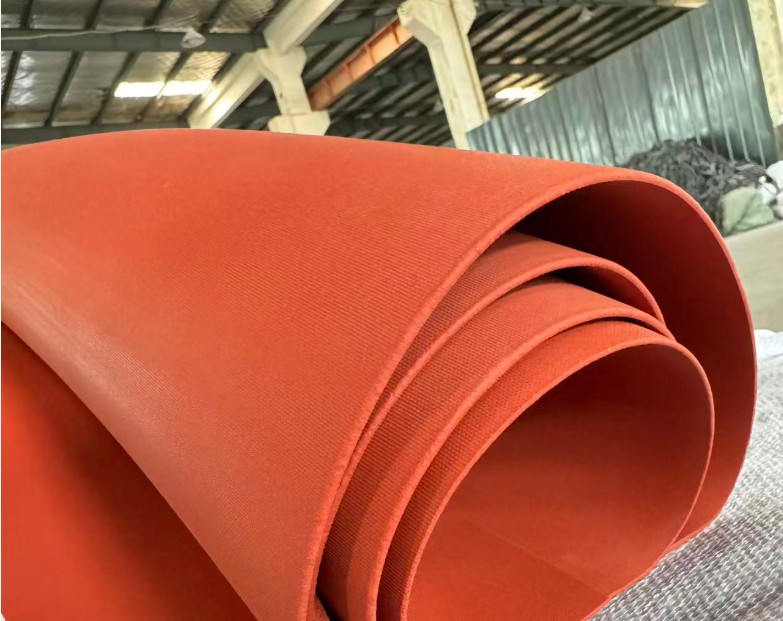
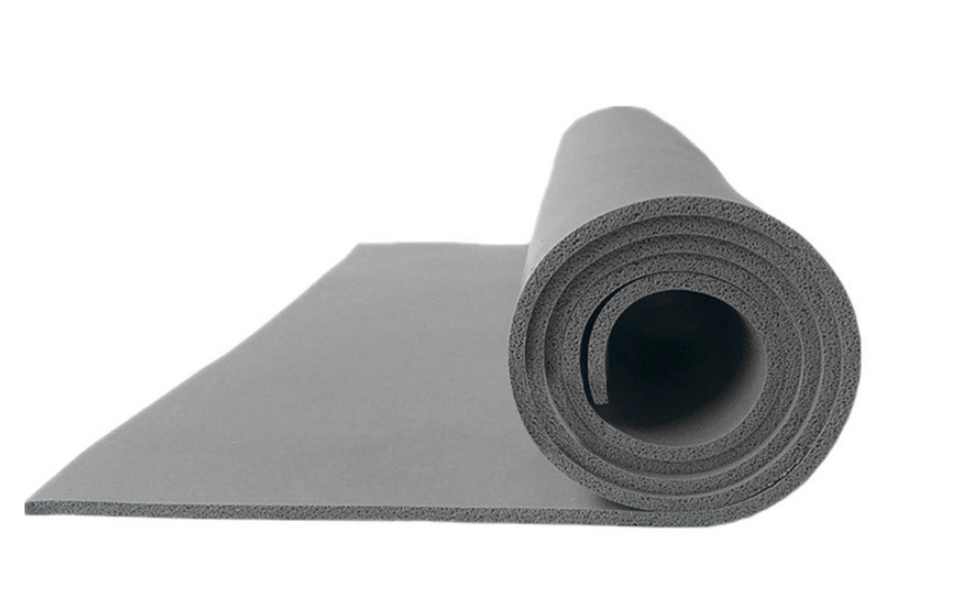
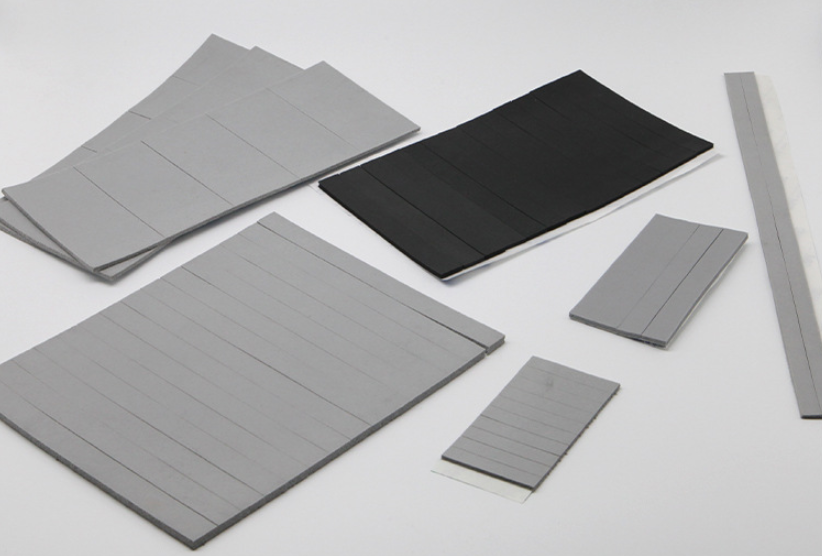
           Silicone foam is a medium-density, silicone rubber closed foam product. The temperature range of the foamed silicone foam material is -60°C-200°C, which can be used for a long time and maintain its soft and elastic properties. It is environmentally friendly, non-toxic, and has excellent electrical properties. Performance and chemical stability, water resistance, ozone resistance, weather resistance, non-corrosive, physiologically inert, non-toxic and tasteless, low linear shrinkage, easy to operate and so on.

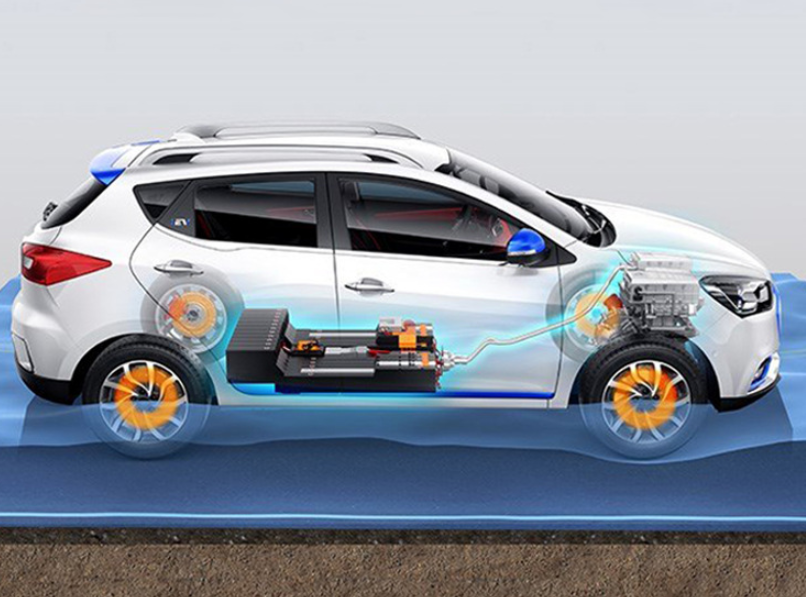
            Features and advantages of silicone foam material molding products: uniform foaming, delicate and lightweight, environmentally friendly, in line with strict smoke and harmful substances specifications, long compression resilience, small stress loss and small deformation in harsh outdoor environments, and strong waterproof and air tightness Curved applications such as good weather resistance, high and low temperature resistance and flame retardant performance; new energy vehicle power battery box seals, buffer spacers between automotive or equipment buffer components and battery components, battery liquid cold plate support, Buffer and shock absorption of rail transit high-speed rail/motor car, waterproof and moisture-proof sealing of outdoor equipment and electronic appliances.

            Silicone foam material molded products have excellent heat-resistant air aging performance, ozone resistance, insulation, and resistance to fuel oil and lubricating oil. It can work in gas or oil medium, so it can work well in the above applications.

            DongGuan Gmark New Material Technology Co.,Ltd. In response to market demand, through continuous research and development of silicone foam material foam formulation and molding processing technology, it is specially designed for new energy vehicles & power battery sealing, shock absorption and electronic appliances, outdoor equipment waterproof and moisture-proof A medium-hard silicone foam material designed for sealing and cushioning.

  • Acrylic Foam Tape Industrial Selection


    Are you struggling with acrylic foam tape that peels off after a few months of field use? Or dealing with costly reworks because your bonding solution failed unexpectedly, leading to delayed shipments and customer complaints?
     
    If you're in manufacturing, you've probably heard about how double sided acrylic foam tape can revolutionize your production line. It's the go-to solution for bonding dissimilar materials, replacing heavy mechanical fasteners, and creating durable, long-lasting bonds that can withstand years of harsh conditions.
     
    But here's the thing: not all acrylic foam tape is created equal. And even if you have the right tape, making small mistakes in selection or application can turn this high-performance solution into a costly nightmare. Over the past 10 years, we've worked with thousands of industrial customers across automotive manufacturing, electronics assembly, construction, solar panel production, and appliance manufacturing. We've seen every possible mistake that can happen when using industrial acrylic foam tape, and we've helped hundreds of companies fix these issues before they cost them thousands of dollars.
     
    In this comprehensive guide, we'll break down the 5 most common mistakes we've seen industrial customers make when selecting and using acrylic foam tape, and how to avoid them to get a durable, long-lasting bond that saves you money in the long run. Whether you're looking for acrylic foam tape for automotive parts, acrylic foam tape for electronics assembly, or acrylic foam tape for construction panel mounting, this guide will help you get it right the first time.


    In this article

    • [Mistake 1: Ignoring surface contamination before application](#mistake-1-ignoring-surface-contamination-before-application)
    • [Mistake 2: Choosing the wrong tape for your operating environment](#mistake-2-choosing-the-wrong-tape-for-your-operating-environment)
    • [Mistake 3: Overlooking gap filling requirements](#mistake-3-overlooking-gap-filling-requirements)
    • [Mistake 4: Using the wrong application technique](#mistake-4-using-the-wrong-application-technique)
    • [Mistake 5: Focusing only on unit price, not total cost](#mistake-5-focusing-only-on-unit-price-not-total-cost)


    What is Acrylic Foam Tape, and Why is it So Popular?

    Before we dive into the mistakes, let's take a quick look at what makes acrylic foam tape such a popular bonding solution for industrial applications.
    Unlike traditional double-sided tape, which uses a thin paper or plastic core, acrylic foam tape uses a viscoelastic acrylic foam core, coated with high-performance acrylic adhesive on both sides. This unique structure gives it several key advantages:
    • Conformability: The foam core can compress and conform to uneven surfaces, filling in tiny gaps and creating 100% contact between the two parts.
    • Durability: The acrylic adhesive and foam core are resistant to UV light, moisture, chemicals, and extreme temperatures, making them perfect for outdoor and harsh environment applications.
    • Stress dispersion: The foam core absorbs vibration and stress, distributing the load evenly across the entire bond area, which prevents stress concentration and extends the lifespan of your parts.
    • Clean and fast: Unlike liquid adhesives, there's no mixing, no curing time, no mess. You just peel and stick, which makes it perfect for high-speed automated assembly lines.
    That's why acrylic foam tape has become the preferred solution for so many industrial applications: from bonding automotive exterior trim to mounting electronic display modules, from attaching building curtain wall panels to securing solar panel components.
    But as powerful as this solution is, it only works if you select the right tape and apply it correctly. Let's look at the most common mistakes that can ruin your project.


    Mistake 1: Ignoring surface contamination before application

    The number one mistake we see in industrial settings? Production teams just peel the backing and stick the acrylic foam tape right on the part, without cleaning it first. It sounds simple, right? The part looks clean, so why spend time cleaning it? But the truth is, most industrial parts have invisible contaminants on their surface that can completely ruin your bond. Even tiny amounts of dust, fingerprint oil, machining residue, release agent, anti-rust oil, or even cleaning agent residue can create a weak boundary layer between the part surface and the acrylic foam tape adhesive.
     
    Industry research shows that just 0.1mg/cm² of oil can reduce the shear strength of your bond by 50%. That means your tape that was supposed to hold 10kg will now only hold 5kg, leading to premature failure after a few months of use.
    This is especially common in different industries:
    • In automotive parts manufacturing, stamped metal parts often have invisible machining oil or anti-rust residue left on the surface. If you apply your acrylic foam tape for automotive parts without cleaning this off, the bond will fail after a few months of vibration and temperature changes.
    • In electronics assembly, plastic parts often have mold release agent residue from the injection molding process. This residue can stop the acrylic foam tape for electronics assembly from adhering properly, leading to components falling off inside the device.
    • In metal fabrication, powder-coated parts can have residual curing agents or surface contaminants that prevent proper adhesion.


    We had a customer last year who was using our high bond acrylic foam tape to mount plastic nameplates on metal equipment. They were frustrated because the nameplates were falling off after 3 months, even though the tape was rated for 10 years.
    When we looked into it, we found that their parts were coming from the stamping line with a thin layer of anti-rust oil on the surface. They were just wiping them with a dry cloth, which wasn't removing the oil. Once we showed them how to clean the surface with isopropyl alcohol, their failure rate dropped from 12% to 0.1% overnight.


    How to avoid it:

    Before applying your acrylic foam tape, always clean the bonding surface with isopropyl alcohol and a lint-free cloth. Wipe the surface thoroughly, then wait for it to dry completely before applying the tape. This simple 1-minute step can double the strength of your bond.
    For particularly challenging surfaces like low-surface-energy polypropylene, powder-coated metals, or EPDM rubber, our technical team recommends using an adhesion promoter to boost the bond strength. This pre-treatment helps the adhesive wet out the surface properly, ensuring a strong, long-lasting bond even on the most difficult substrates.
    Our Industrial Grade Acrylic Foam Tape comes with a detailed application guide, including step-by-step cleaning instructions for different substrates, to ensure you get the strongest possible bond every time.
    high bond acrylic foam tape


    Mistake 2: Choosing the wrong tape for your operating environment

    Not all acrylic foam tape is the same. A tape that works great for indoor electronics assembly might fail completely for outdoor automotive exterior parts or heavy-duty construction applications.Many customers make the mistake of just buying a standard acrylic foam tape, without thinking about the environment the part will be operating in. They test it in the factory, at room temperature, and it works fine. But once the part gets out into the real world, it fails.
     
    Last year, a customer told us they bought a standard indoor foam tape to hold their outdoor commercial sign panels. It worked fine in the factory testing, they applied it at room temperature, it stuck perfectly. But after 6 months of exposure to UV light, rain, and extreme temperature swings from -20°C in winter to 40°C in summer, the adhesive started to break down. The tape turned yellow, lost its adhesion, and the signs started peeling off the building.
     
    They had to recall 2,000 units, send a team out to rework the signs in the field, replace all the failed parts, and deal with customer complaints. That cheap standard tape ended up costing them over $150,000 in rework, shipping, and labor costs. The problem? They used an indoor tape for an outdoor application. Standard indoor acrylic foam tape doesn't have the UV stabilizers and weather-resistant additives that outdoor tape has. So when it's exposed to sunlight and rain, it breaks down quickly. This is a common problem across different industries:
    • If you're using acrylic foam tape for automotive exterior parts, it needs to withstand years of UV exposure, rain, road salt, and temperature changes from -40°C to 80°C.
    • If you're using acrylic foam tape for solar panel assembly, it needs to withstand outdoor weather, high temperatures, and humidity for 25 years or more.
    • If you're using waterproof acrylic foam tape for bathroom or kitchen appliances, it needs to withstand steam, moisture, and cleaning chemicals.
    • If you're using high temperature acrylic foam tape for engine components or industrial ovens, it needs to withstand continuous high temperatures without breaking down.


    How to avoid it:

    Before choosing your acrylic foam tape, ask yourself these critical questions about the operating environment:
    • Will it be exposed to UV light or rain outdoors?
    • What temperature range will it need to withstand, both minimum and maximum?
    • Will it be exposed to chemicals, moisture, or steam?
    • Will it be subject to continuous vibration, shock, or dynamic stress?


    Once you know the answers, you can choose the right tape for the job. For outdoor applications like automotive exterior trim, building panel mounting, or solar panel assembly, you need a UV resistant acrylic foam tape with excellent weatherability. Our Weather-Resistant Acrylic Foam Tape has passed 10-year accelerated weathering tests, ensuring it stays strong even in extreme outdoor conditions.
    For high-temperature applications, we have a special high-temperature acrylic foam tape that can withstand up to 150°C continuous temperature, perfect for engine components, industrial equipment, and appliance parts.

    UV resistant acrylic foam tape


    Mistake 3: Overlooking gap filling requirements

    Most industrial parts aren't perfectly flat. Even if they look smooth to the eye, there are tiny bumps, warps, and gaps that can stop your acrylic foam tape from making full contact. This is a huge problem when you're bonding dissimilar materials, like mounting metal trim to plastic body panels, or attaching glass panels to aluminum frames. Different materials have different thermal expansion rates, so they expand and contract at different rates when the temperature changes. If your tape can't accommodate that movement, the bond will break.
    Or if you have a slightly curved part, like a fender flare on a car, or a curved display on a phone, the tape needs to be able to conform to that curve to make full contact.
     
    If your tape is too thin, it can't fill those gaps. You'll end up with only partial contact between the tape and the parts, which means weak spots in the bond. Those weak spots are where moisture can get in, where stress can concentrate, and that's where the bond will fail first. We had a customer who was bonding aluminum window frames to glass panels. They were using a 0.5mm thin acrylic foam tape, because it was cheaper. But the aluminum frames had a slight warp, so there was a 0.6mm gap between the frame and the glass in some spots. The thin tape couldn't fill that gap, so those spots had no contact. After a year, water started seeping through those gaps, causing corrosion and leaks. They had to replace all the windows, costing them hundreds of thousands of dollars.
     
    If they had used a 0.8mm thick acrylic foam tape for construction bonding, the foam could have compressed to fill that 0.6mm gap, creating a perfect seal and preventing the leaks.
     

    How to avoid it:

    Measure the maximum gap between your two bonding surfaces, then choose a tape thickness that's at least 20% thicker than that gap. This ensures the foam can compress enough to fill the entire gap, creating 100% contact between the tape and both surfaces. No more weak spots, no more gaps for water to seep through.
    For example:
    • If you have a 0.5mm gap, choose a 0.6mm thick tape.
    • If you have a 1mm gap, choose a 1.2mm thick tape.
    • If you have a 2.5mm gap, choose a 3mm thick tape.


    We offer acrylic foam tape in thicknesses from 0.5mm to 3.0mm, so you can always find the right size for your specific gap filling needs, whether it's a thin electronic display that needs a 0.5mm tape, or a heavy construction panel that needs a 3mm thick tape.

    acrylic foam tape


    Mistake 4: Using the wrong application technique

    So many production teams think applying acrylic foam tape is as simple as peeling the backing and pressing with your fingers. But that's not enough for industrial-grade bonding.
     
    The acrylic adhesive needs firm, even pressure to wet out the surface properly. If you just press it on with your fingers, you're not applying enough force to get the adhesive to flow into the tiny imperfections of the part surface. That means you'll end up with air bubbles under the tape. Those air bubbles create weak spots, they let moisture get in, and they stop the adhesive from making full contact with the surface. Over time, those bubbles will expand and contract with temperature changes, weakening the bond until it fails.
     
    This is especially a problem for large parts, like big building panels or long automotive trim parts. If you just press it on by hand, you'll miss spots, you'll have uneven pressure, and you'll end up with air bubbles. We had a customer who was mounting large 2-meter sign panels. They were applying the tape by hand, pressing it on with their fingers. After 6 months, the panels started peeling off at the edges, where they hadn't applied enough pressure.
     
    They had to send a team out to rework all the signs, which cost them thousands of dollars. Once we showed them how to use a roller to apply even pressure, their failure rate dropped to zero.
     

    How to avoid it:

    After placing the acrylic foam tape on the surface, use a small roller to apply firm, even pressure across the entire tape. Roll from the center out to the edges, to push any air bubbles out. This ensures the adhesive makes full contact with the surface, no air bubbles left behind.
    Also, make sure the application temperature is between 15°C and 35°C. If it's too cold, like in an unheated warehouse in winter, the adhesive won't flow properly, leading to a weak initial bond. If you have to apply it in cold conditions, you can warm the tape slightly first to help the adhesive flow.
     
    For automated production lines, we can provide custom application equipment recommendations to ensure the right pressure and temperature are applied every time, so you get consistent results across all your parts. Our technical support team can provide you with a customized acrylic foam tape application guide for your specific project, including temperature and pressure recommendations to ensure perfect results.


    Mistake 5: Focusing only on unit price, not total cost

    We get it, everyone wants to save on procurement costs. But when it comes to acrylic foam tape, buying the cheapest option is almost always a false economy. Many procurement managers look at the unit price of the tape, and they think "this cheap tape is half the price of the expensive one, so I'll save money". But they don't think about the total cost of ownership.
     
    For example, a cheap tape might cost $$0.50 per part, but if it fails after 6 months, the rework cost could be$$50 per part: labor to remove the old part, new parts, shipping, and customer support. Worse, if your part fails in the field and damages something else, that cheap tape just cost you hundreds of dollars in warranty claims and lost customer trust.
     
    Once they switched to our high-quality acrylic foam tape, their rework rate dropped to 0.2%. They ended up saving over $200,000 per year, even though the tape cost a bit more upfront.


    Why quality acrylic foam tape is worth the investment

    Compared to traditional mechanical fasteners like screws and rivets, high-quality acrylic foam tape actually saves you money in the long run:
    • Faster assembly: No drilling, no curing time. You can assemble parts in seconds, cutting labor costs by up to 30%.
    • No damage to substrates: No holes in your parts, so you don't have to worry about corrosion or damage to sensitive materials.
    • Vibration damping: The foam core absorbs vibration, protecting your parts from shock and extending their lifespan.
    • Better aesthetics: No visible fasteners, giving your products a cleaner, more premium look.
    Last year, we helped an automotive client switch from using rivets to our acrylic foam tape for automotive door trim assembly. They reduced their assembly time by 32% and cut their rework rate from 8% to 0.2%, saving them over $200,000 per year.
     

    Frequently Asked Questions

    How strong is acrylic foam tape?

    High-quality industrial acrylic foam tape can hold up to 2kg per square centimeter, which is more than enough for most industrial bonding applications. It can replace screws and rivets for most parts, providing a stronger, more durable bond.
     

    Can acrylic foam tape replace mechanical fasteners?

    Yes! For most industrial bonding applications, high-quality acrylic foam tape can replace screws, rivets, and liquid adhesives, saving you time and money while providing a stronger, more durable bond. It also helps reduce weight, which is especially important for automotive and aerospace applications.
     

    What industries is acrylic foam tape suitable for?

    Our acrylic foam tape is widely used in automotive manufacturing, electronics assembly, construction, solar panel production, and appliance manufacturing, with custom solutions for each industry's specific needs. We have special grades for each industry, like acrylic foam tape for automotive exterior, acrylic foam tape for electronics display mounting, and acrylic foam tape for construction curtain wall bonding.
     

    Can you provide custom die-cut acrylic foam tape parts?

    Absolutely! We offer custom die-cut acrylic foam tape parts to fit your exact specifications, so you can just peel and stick on your production line, no cutting required. This saves you time on the production line, reduces waste, and ensures consistent parts every time.
     

    How long does acrylic foam tape last?

    High-quality weather-resistant acrylic foam tape can last up to 10 years or more outdoors, and even longer indoors, without losing its adhesion strength.
     

    Can acrylic foam tape be used outdoors?

    Yes! Our UV resistant and weatherproof acrylic foam tape is perfect for outdoor applications, it can withstand UV light, rain, and extreme temperatures for years.
     

    How to remove acrylic foam tape?

    If you need to remove the tape, you can heat it slightly with a heat gun to soften the adhesive, then peel it off slowly. High-quality tape will come off clean, without leaving sticky residue or damaging the part surface.


    Get started today:

     
    Whether you need a standard roll of double sided acrylic foam tape, custom die-cut parts, or a special grade for high temperature or outdoor applications, we have the right acrylic foam tape for your industrial project.
     
    - Request a free sample kit to test our acrylic foam tape on your substrates
    - Download our full product specification
    - Talk to our bonding engineer for a free consultation


  • Centrifugal Pumps The "Heart" of Air Conditioning Systems

    I. Centrifugal Pumps: The Power Source of Air Conditioning Systems

    A central air conditioning system mainly consists of two circulating systems: the chilled water system and the cooling water system. In both systems, pumps are indispensable core equipment.


    Chilled Water System

    It is responsible for transporting cooling capacity from the chiller to various terminal equipment in the building, such as fan coil units and air handling units. The chilled water pump drives the circulation of chilled water in a closed pipeline, ensuring that the cooling capacity is accurately and efficiently delivered to the required locations.


    Cooling Water System

    It is tasked with carrying the heat generated by the chiller to the cooling tower and dissipating it into the atmosphere through evaporation and convection. The cooling water pump drives the circulation of cooling water in either an open or closed system, playing a crucial role in heat transfer.


    II. Key Points for Selecting Centrifugal Pumps in Air Conditioning Systems

    The selection of pumps directly affects the operating efficiency, stability, and energy consumption of the air conditioning system. Pump selection requires a comprehensive consideration of the following factors:


    1. Project Type and Operating Characteristics

    · Commercial Complexes: They experience significant load fluctuations, with high loads during the day and low loads at night. Variable frequency control should be considered during selection to achieve energy-saving operation.

    · Hospital Systems: They operate continuously 24 hours a day, with stability being the top priority. During selection, it is necessary to choose high-reliability mechanical seals, dual power supply systems, and standby pumps to ensure uninterrupted operation.

    · Industrial Cooling Systems: The loads are relatively stable, but the water quality is poor. During selection, emphasis should be placed on corrosion resistance, safety margins, and consideration of NPSH (Net Positive Suction Head) requirements.

    · Data Centers: They operate at full load 24 hours a day and are subject to strict PUE (Power Usage Effectiveness) assessments. During selection, high efficiency, variable frequency control, and dual-system redundancy should be pursued.


    2. Variable Flow Systems vs. Constant Flow Systems

    · Variable Flow Systems: They automatically adjust the flow rate and rotational speed according to the load through variable frequency control, resulting in significant energy savings (an average of 30 - 50%). They are suitable for projects with large load fluctuations.

    · Constant Flow Systems: They operate at line frequency with a constant flow rate. The control is simple, but the energy consumption is relatively high. They are suitable for occasions with stable loads.


    3. Flow and Head Calculations


    III. Operation and Maintenance of Centrifugal Pumps in Air Conditioning Systems

    Proper operation and maintenance can extend the service life of centrifugal pumps, reduce the failure rate, and maintain efficient operation. Here are some key maintenance points:


    1. Daily Inspections

    · Check whether the operating sound of the water pump is normal and observe whether the readings on the ammeter and pressure gauge are abnormal.

    · Check for any leakage phenomena and record the operating parameters for subsequent analysis.


    2. Regular Maintenance

    · Clean the filter screens to prevent the accumulation of impurities, which can lead to a decrease in flow rate.

    · Check whether the mechanical seal is leaking and measure the bearing temperature to ensure normal operation.

    · Check the alignment of the coupling to avoid vibration and noise problems.


    3. Annual Maintenance

    · Replace the mechanical seal and bearing grease, and clean the interior of the pump body.

    · Check the wear condition of the impeller and test the pump performance curve to ensure efficiency.


    IV. Energy-Saving Applications of Centrifugal Pumps in Air Conditioning Systems

    With the increasing demand for energy conservation, the energy-saving applications of centrifugal pumps in air conditioning systems are becoming more and more widespread. Variable frequency technology is one of the key means for pump energy conservation:


    Variable Frequency Pumps

    · They avoid water hammer impacts through soft starting and soft stopping, protecting pipelines and equipment.


    Energy-Saving Effects

    · Variable frequency systems save an average of 30 - 50% more energy than line frequency systems, with an investment payback period usually of 2 - 4 years.


    Extended Service Life

    · Soft starting reduces mechanical impacts, extending the service life of the water pump and motor by more than 50%.


    Reduced Maintenance Costs

    · The failure rate decreases, and the maintenance frequency is reduced, resulting in a comprehensive reduction in maintenance costs of about 30%.


    V. Case Study: Variable Frequency Transformation of an Industrial Cooling System

    Take a precision machining workshop in an electronics factory as an example. The original line frequency pump system had high energy consumption and loud noise. After variable frequency transformation:


    Transformation Plan

    Install variable frequency pumps and frequency converters to automatically adjust the speed according to the load.


    Energy-Saving Effects

    · The annual electricity consumption dropped from 193,000 kWh to 116,000 kWh, with an energy-saving rate of 40%.


    Economic Benefits

    · The annual electricity cost savings amounted to 61,600 yuan, with an investment payback period of only 3 years. Over 15 years, the cumulative electricity cost savings reached 920,000 yuan.


    As the "heart" of the air conditioning system, pumps' selection, operation, maintenance, and energy-saving applications directly affect the performance and economic benefits of the entire system. By deeply understanding the role and selection points of pumps in air conditioning systems and combining scientific operation, maintenance, and energy-saving measures, we can create more efficient, stable, and economical air conditioning systems to provide comfortable indoor environments for users in different scenarios.


  • What Is a Split Case Pump?

    Split case pumps—also called double-suction split case pumps—are one of the most important pump types used in municipal water supply, industrial systems, HVAC cooling water, fire systems, and irrigation projects.

    Their signature feature is the “split casing” design that makes them extremely stable, durable, and easy to maintain.

    In this article, we explain what a split case pump is, how it works, and where it is used.


    What Is a Split Case Pump? (Definition)

    A split case pump is a type of centrifugal pump where the pump casing is split horizontally into two halves (upper half & lower half).

    This allows easy access to:

    • impeller

    • shaft

    • bearings

    • wear rings

    without removing the pipework.

    Most split case pumps are also double-suction pumps, meaning water enters the impeller from both sides, creating perfect hydraulic balance.

    ✔ “Horizontal Split Case” = casing split horizontally

    ✔ “Double-Suction” = water enters from both sides of the impeller

    因此:
    Split case pump = efficient, stable, easy to maintain double-suction centrifugal pump.


    How Does a Split Case Pump Work?

    Split case pumps operate based on the double-suction impeller principle:

    1. Water enters both sides of the impeller

    This reduces axial thrust and stabilizes flow.

    2. The impeller rotates

    Centrifugal force pushes liquid outward.

    3. The volute converts velocity into pressure

    Flow exits through the discharge nozzle.

    4. The casing can be opened horizontally

    Maintenance is extremely easy, especially compared to closed volute pumps.


    Why Double-Suction Design Matters

    The double-suction impeller creates hydraulic balance, resulting in:

    • Lower axial load

    • Longer bearing life

    • Less vibration

    • Higher efficiency

    • Higher flow capability

    This is why split case pumps are widely used in large-flow applications.


    Advantages of Split Case Pumps

    Split case pumps are known for their durability and performance:

    High Efficiency

    Double suction design reduces losses; ideal for large-scale water transfer.

    Very Stable Operation

    Low vibration, suitable for continuous 24/7 operation.

    Easy Maintenance

    Casing splits horizontally → no need to disconnect pipelines.

    Long Service Life

    Balanced hydraulics protect bearings and shaft.

    Handles Large Flow Rates

    Commonly used for flows from hundreds to thousands of m³/h.

    Reliable for Critical Systems

    Municipal and industrial engineers often prefer this pump type.


    Where Are Split Case Pumps Used?

    Split case pumps are used across many industries due to their stability and capacity.

    1. Municipal Water Supply

    • Water treatment plants

    • Raw water intake stations

    • City distribution networks

    • Booster stations

    2. HVAC & District Cooling

    • Cooling water

    • Chilled water circulation

    • Central air-conditioning plants

    3. Industrial Applications

    • Process cooling

    • Factory water transfer

    • Filtration systems

    • Paper mills, steel plants, chemical plants

    4. Irrigation and Agriculture

    • Long-distance irrigation pipelines

    • Farm water supply

    5. Fire Fighting Systems

    • High-flow fire pumps

    • Hydrant supply lines

    6. Large Commercial Buildings

    • Hotels, airports, malls

    • Skyscrapers' water systems


    Types of Split Case Pumps

    1. Horizontal Split Case Pump

    • Most common type

    • Easy maintenance

    • High flow rates

    2. Vertical Split Case Pump

    • Saves floor space

    • Suitable for pump rooms with limited area

    • Same double-suction design, but vertical structure


    Split Case Pump vs End Suction Pump: What’s the Difference?

    Feature Split Case Pump End Suction Pump
    Flow Very large Small–medium
    Stability Extremely stable Stable
    Maintenance Easy (split casing) Easy (back pull-out)
    Cost Higher Lower
    Applications Municipal, industrial, large projects General water transfer, HVAC


    How to Select a Split Case Pump

    • Flow rate (m³/h / gpm)

    • Head (m)

    • Liquid temperature

    • Rotation speed (1450/2900 rpm)

    • Inlet pressure

    • NPSH requirements

    • Material (CI, DI, SS, Bronze)

    • Installation space (horizontal or vertical)


    Are Split Case Pumps Suitable for 24/7 Operation?

    Yes — split case pumps are specifically designed for:

    • continuous operation

    • long duty cycles

    • stable hydraulic performance

    This is why they are popular for water plants, industrial systems, and district cooling.


    Conclusion: Why Split Case Pumps Matter in Modern Engineering

    Split case pumps combine:

    • high flow capacity

    • excellent efficiency

    • low vibration

    • long service life

    • easy maintenance

    As a result, they are among the most trusted pump types for municipal, industrial, HVAC, irrigation, and fire systems across the globe.


    If you need help choosing the right split case pump for your project, our engineering team is ready to assist with selection, performance data, and OEM/ODM support.

  • What Is an End Suction Pump?

    What Is an End Suction Pump? (Definition)

    An end suction pump is a type of centrifugal pump where:

    • Water enters through the end (axially) of the pump

    • Water exits from the top (radially)

    • A single impeller creates centrifugal force to move the liquid

    It is called “end suction” because the suction nozzle is positioned at the “end” of the pump housing.

    End suction pumps are available in two major standards:

    • EN733 (DIN 24255) — common in Europe, Middle East, Asia

    • ISO2858 — widely used for industrial and chemical processes


    How Does an End Suction Pump Work?

    1. Liquid enters through the suction port

    The pump must be filled with liquid or primed before operation.

    2. The impeller rotates

    Centrifugal force pushes liquid outward.

    3. Pressure builds inside the volute

    The volute converts velocity into pressure.

    4. Water exits from the discharge port

    This pressurized liquid is then sent to the piping system.


    Main Components of an End Suction Pump

    • Pump Casing (Volute)

    • Impeller

    • Shaft & Bearing Assembly

    • Mechanical Seal or Packing Seal

    • Back Pull-Out Unit (for pumps designed with this structure)

    • Motor / Coupling / Baseplate


    Why End Suction Pumps Are So Widely Used

    End suction pumps are popular because they are:

    Simple to install

    Horizontal design, easy piping alignment.

    Cost-effective

    Compared to other pump types, end suction pumps have lower cost and easier maintenance.

    Versatile

    Suitable for clean water and industrial liquids.

    Easy to maintain

    Back pull-out designs allow removing the rotating assembly without disturbing the pipework.

    Available globally

    Standardized dimensions (EN733 / ISO2858) ensure interchangeability.


    Typical Applications of End Suction Pumps

    1. HVAC Systems

    • Chilled water

    • Cooling tower circulation

    • Hot water pumping

    2. Industrial Plants

    • Cooling and process water

    • Washing systems

    • Filtration systems

    3. Water Supply & Pressure Boosting

    • Municipal water distribution

    • Booster pump sets

    • Building water systems

    4. Irrigation & Agriculture

    • Farm irrigation

    • Greenhouse water transfer

    5. OEM / Package System Integration

    Many global OEM manufacturers use end suction pumps for pump skids and equipment packages.


    Advantages of End Suction Pumps

    • Compact footprint

    • Cost-efficient structure

    • Wide flow range

    • Easy spare parts replacement

    • High reliability

    • Multiple material options (CI, DI, SS304/316, Bronze, Duplex)


    EN733 vs ISO2858 End Suction Pumps

    Standard EN733 ISO2858
    Region Europe / Middle East / Asia Global industrial & chemical
    Structure Standardized sizes, compact Heavier-duty, higher pressure
    Common Use HVAC, water transfer Industrial & chemical plants
    Efficiency Good High (varies by maker)

    How to Select the Right End Suction Pump

    To choose the correct pump, you need to confirm:

    1. Flow rate (m³/h or gpm)

    2. Head (m or ft)

    3. Liquid temperature

    4. Installation environment

    5. Material requirement (CI, SS, Bronze…)

    6. Motor speed (1450 / 2900 rpm)

    7. Efficiency requirement (MEI)

    For high-efficiency needs, many customers prefer pumps with MEI ≥ 0.40, such as our EK Series.


    Are End Suction Pumps Energy Efficient?

    Yes — modern hydraulic designs offer high efficiency, especially in optimized models.
    Energy-efficient pumps reduce long-term operating cost, which is critical for:

    • HVAC systems

    • Pump rooms operating 24/7

    • Industrial cooling loops

    • Municipal water supply


    End Suction Pump vs. Inline Pump: What’s the Difference?

    End Suction Pump

    • Horizontal

    • Easier to maintain

    • Handles larger flows

    • Suitable for pump rooms

    Inline Pump

    • Vertical alignment

    • Saves space

    • Used inside buildings or narrow spaces


    Conclusion: Why End Suction Pumps Are Essential in Modern Engineering

    End suction pumps combine:

    • Simple structure

    • High reliability

    • Low installation cost

    • Wide compatibility with global standards

    This is why they remain one of the most popular centrifugal pump types for municipal, industrial, commercial, and agricultural systems.


    If your project requires an efficient, durable, and globally compatible end suction pump, feel free to contact our engineering team for selection and support.

  • Rubber Magnet Sheet vs Strip vs Roller, Which To Choose?

    Stop Wasting Money on the Wrong Rubber Magnet! Rubber Magnet Sheet vs Strip vs Roller —Which Is Right for You? You’re not alone in this confusion! 90% of buyers pick the wrong type because they look nearly identical, only to face costly disasters: magnet slipping, weak adsorption, quick wear, or total mismatch with their projects. This doesn’t just drain your wallet—it derails deadlines, ruins your brand, and forces you to reorder again and again. But you can end the frustration today! With our three core keywords—Rubber  Magnet Sheet , Rubber Magnet StripRubber  Magnet Roller—we’ll break down their differences, ideal uses, and pain points solved, so you can choose the perfect one in 2 minutes, no guesswork required.

    Flexible rubber magnet sheetRubber magnetic stripRubber magnetic roller


    1. Key Comparison: Rubber Magnet  Sheet vs Strip vs Roller

    The fastest way to pick the right rubber magnet is to compare their core performance and use cases. Below is a data comparison table (tested under standard conditions: 25℃, normal humidity, no external magnetic interference) that cuts through the confusion—keep this handy for hassle-free selection.

    Magnet Type

    Flexibility (Minimum Bending Radius)

    Magnetic Powder Content

    Operating Temperature Range

    Ideal Application Scenarios

    Key Pain Point It Solves

    Core Benefit

    Rubber Magnet

      Sheet

    0.3 inch (7.62mm)

    65% ~ 70%

    -40℃ ~ 80℃

    Advertising signs, fridge magnets, teaching aids, large-area adsorption

    Poor large-area adsorption, hard to cut to custom sizes

    Easy to cut, large coverage, uniform magnetism for wide applications

    Rubber Magnet 

    Strip

    0.2 inch (5.08mm)

    68% ~ 72%

    -40℃ ~ 85℃

    Door seals, window seals, automotive seals, small-gap adsorption

    Poor sealing, easy to crack, unstable adsorption in gaps

    Flexible, tight fit, strong adsorption for gaps, long service life (10+ years)

    Rubber  Magnet

    Roller

    0.5 inch (12.7mm)

    70% ~ 75%

    -30℃ ~ 90℃

    Conveyor belts, material sorting, industrial automation, continuous adsorption

    Uneven adsorption, easy to wear, low efficiency in continuous work

    Durable, uniform magnetic field, high efficiency for continuous industrial use


    2. How to Choose: Match Rubber Magnet Type to Your Scenario

    To avoid mistakes, focus on your core needs—here’s how to perfectly match each rubber magnet type to your project. If you need large-area adsorption (e.g., advertising signs, teaching aids), choose Rubber Magnet Sheet: it’s easy to cut into custom shapes and sizes, with uniform magnetism that covers wide surfaces, solving the pain of "uneven adsorption on large areas". For sealing or small-gap applications (e.g., door/window seals, automotive parts), Rubber Magnet Strip  is your best bet—its super flexibility fits tight gaps, prevents air leakage or dust, and its high magnetic powder content ensures long-lasting adsorption, avoiding frequent replacement. For industrial continuous work (e.g., conveyor sorting), Rubber Magnet  Roller stands out: its durable design and uniform magnetic field handle continuous operation, reducing maintenance costs and improving work efficiency.

    Rubber magnetic letter stickers              Rubber magnetic door and window seals                   Rubber magnet roller


    3. Why Choosing the Right Rubber Magnet Saves Time & Money

    Choosing the right rubber magnet type isn’t just about picking a product—it’s about solving your specific pain points and getting maximum value. Rubber Magnet Sheet, Rubber Magnet  Strip , and Rubber  Magnet Roller each have unique strengths: none is "better", only "more suitable". Picking the wrong one leads to wasted money and project delays; choosing the right one ensures stable performance, long service life, and cost savings. Whether for home, advertising, or industrial use, matching the magnet type to your scenario is the key to success.


    FAQ

    Q1: Can Rubber Magnet  Sheet be used for sealing like Rubber Magnet Strip ?
    A1: Not recommended. Rubber Magnet  Sheet is designed for large-area adsorption, with lower flexibility than Rubber Magnet Strip. It can’t fit tight gaps, leading to poor sealing performance—this is a common mistake when confusing the two types.


    Q2: Is Rubber Magnet  Roller suitable for home use?
    A2: Rarely. Rubber Magnet Roller is designed for industrial continuous work (e.g., conveyor belts, material sorting) with high durability and magnetic strength. It’s too large and costly for home use; Rubber Magnet Sheet or Rubber Magnet Strip is more suitable for home scenarios like fridge magnets or door seals.


    Q3: Which one has the longest service life—Rubber  Magnet Sheet vs Strip vs Roller?
    A3: Rubber  Magnet Roller has the longest service life (12 ~ 15 years) due to its high magnetic powder content and durable design. Rubber  Magnet Strip follows (10 ~ 12 years), and Rubber Magnet Sheet has a service life of 8 ~ 10 years—all under proper storage and use.


  • 45°/90°/135° Multi‑Angle Magnetic Welding Holder Complete Buying Guide

    Stop Wasting Time! Choose the Right Multi‑Angle Magnetic Welding Holder For welders, fabricators and metalworkers, unstable clamping, slipping workpieces, inaccurate angles and low‑efficiency welding are daily headaches. Ordinary single‑angle magnetic holders only support 90‑degree positioning, forcing repeated manual adjustment, wasting working time and causing welding errors. Many buyers also fall into traps: weak magnetic force, easy demagnetization, poor angle accuracy and short service life. This buying guide  will help you pick the ideal multi‑angle welding holder, solve core pain points and boost welding efficiency.

    45°/90°/135°Magnetic Welding Holder

    1.Multi‑Angle Magnetic Welding Holder vs Ordinary Single‑Angle Holder: Performance Comparison

    Below is a standard‑condition performance comparison table (25℃ normal environment, carbon steel test workpiece), clearly showing advantages of multi‑angle magnetic welding holders. 


    Performance Item

    45°/90°/135° Multi‑Angle Magnetic Welding Holder

    Ordinary Single‑Angle (90° Only) Holder

    Core Benefit

    Available Angles

    45° / 90° / 135°

    Only 90°

    Multi‑scene welding without extra tools

    Vertical Holding Force

    60–80 kg

    35–45 kg

    Stable clamping, no slipping during welding

    Max Working Temperature

    80℃

    60℃

    Resist welding high‑temperature impact

    Magnetic Retention (1 year)

    ≥96%

    ≤82%

    Long‑term stable magnetism, no frequent replacement

    Service Life

    8–10 years

    4–5 years

    Lower long‑term procurement cost


    Real Case 1: Metal Furniture Fabrication – A small metal furniture factory was stuck in low efficiency with ordinary single-angle holders for iron tables and chairs. Welding table legs (90°) and armrests (45°) meant switching between two clamps, tedious manual angle adjustments, and 15 minutes of positioning per table—wasting time and causing costly welding errors. The game-changer? A Multi‑Angle Magnetic Welding Holder. Now they finish positioning in just 5 minutes per table, cut tool storage by 50%, and slash welding error rates from 8% to 1%—saving 20+ working hours weekly and boosting monthly output by 30%.


    Magnetic welding positioning device


    2. 45‑90‑135 Degree Magnet Clamp: Key Buying Tips

    When selecting a 45‑90‑135 Degree Magnet Clamp, prioritize three critical factors. First, check multi‑angle precision: qualified products keep angle tolerance within ±1°, ensuring accurate positioning for bevel, right‑angle and obtuse‑angle welding. Second, test holding force: 60kg+ vertical pull force is required for heavy‑duty metal fabrication, avoiding workpiece shifting caused by welding vibration. Third, verify high‑temperature resistance and magnetic stability, core features of a professional Welding Positioning Magnetic Tool. High‑quality holders solve the pain of repeated angle adjustment and unstable clamping, cutting working time by 30% and improving welding precision greatly.


    Real Case 2: Heavy Industrial Thick Plate Welding – A construction machinery factory struggled with 10mm thick carbon steel bracket welding (135° obtuse angle). Ordinary 40kg holding force holders caused constant workpiece slipping, leading to high rework rates and delayed orders. After upgrading to a 75kg holding force Multi‑Angle Magnetic Welding Holder, clamping is rock-solid with zero slipping, rework rates dropped to 0, and each bracket’s welding time is 25% shorter—cutting monthly production costs by $1,200 and keeping orders on track.


    Magnetic Welding Holder


    3. Why Welding Positioning Magnetic Tool Is Indispensable for Welding Work

    A reliable Multi‑Angle Magnetic Welding Holder is not just a fixture but an efficiency booster. As a professional Welding Positioning Magnetic Tool, it integrates three common welding angles in one tool, eliminating the need for multiple single‑angle clamps and complicated manual fixing. Strong magnetic holding force fixes workpieces firmly, reducing welding defects and rework rate. Whether for home DIY welding, metal furniture production or heavy industrial fabrication, this 45‑90‑135 Degree Magnet Clamp improves operation safety, saves labor cost and accelerates project progress. Investing in a high‑quality multi‑angle magnetic holder maximizes long‑term production value.


    Real Case 3: Home DIY & Small Workshop Welding – A DIY enthusiast and small workshop owner wasted hours on steel frames, tool shelves, and decorative metal pieces—relying on a protractor for manual positioning that was slow and inaccurate, leading to messy welds and wasted materials. Once he bought a 45°/90°/135° Multi‑Angle Magnetic Welding Holder, he positioned any angle in seconds, finished small projects in half the time, and created clean, firm welds—turning his hobby into a profitable side business that brings in extra $500+ monthly.


    Multi‑Angle Magnetic Welding Holder


    FAQ 

    Q1: What holding force should I choose for heavy‑duty industrial welding?
    A1: For thick‑plate heavy‑duty welding, pick 70–80 kg vertical holding force 45‑90‑135 Degree Magnet Clamp, which resists welding vibration and high temperature effectively.


    Q2: Will welding high temperature demagnetize the magnetic holder?
    A2: High‑quality Welding Positioning Magnetic Tool uses high‑temperature resistant neodymium magnets, resisting 80℃ short‑term high‑temperature impact. Keep 10cm+ distance from welding sparks to extend service life.


    Q3: Can one multi‑angle holder replace multiple single‑angle clamps?
    A3: Absolutely. It supports 45°, 90° and 135° angles, covering most daily welding scenarios, reducing tool quantity and storage space.