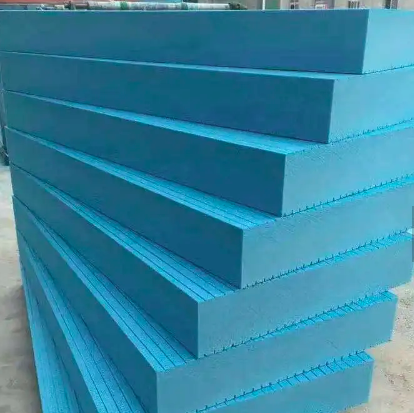
• How to choose a high-quality rubber sheet dealer?

    With so many rubber sheet distributors on the market, narrowing down your options can be a challenge. Here are some key factors to consider when evaluating a distributor:


    1. Reputation and experience

    Look for a dealer with a good reputation and years of experience in the industry. Established distributors are more likely to have extensive product knowledge, excellent customer service, and a reliable supply chain.


    2. Product quality and certification

    Make sure your dealer's rubber sheets meet industry standards and certifications. Quality certifications, such as ISO 9001, demonstrate compliance with strict quality control processes and guarantee product reliability and performance.


    3. Product range and customization options

    Choose a distributor that offers a wide selection of rubber sheet materials, sizes and configurations to suit different applications. Additionally, ask if they have the ability to provide customized solutions based on your specific requirements.


    4. Customer support and services

    When dealing with technical products like rubber sheets, excellent customer support is crucial. Look for a dealer who can provide prompt customer service, technical support and after-sales support to resolve any issues or questions promptly.


    Conclusion: Find your ideal rubber sheet dispenser


    In summary, choosing the best rubber sheet distributor is a critical decision that can significantly impact your business and bottom line. By considering factors such as reputation, product quality, product range and customer support, you can identify a dealer that not only meets but exceeds your expectations. Remember to conduct thorough research, request samples, and seek advice from industry peers to make an informed decision. With the right dealer, you can confidently source high-quality rubber sheets, ensuring optimal performance and reliability in your application.


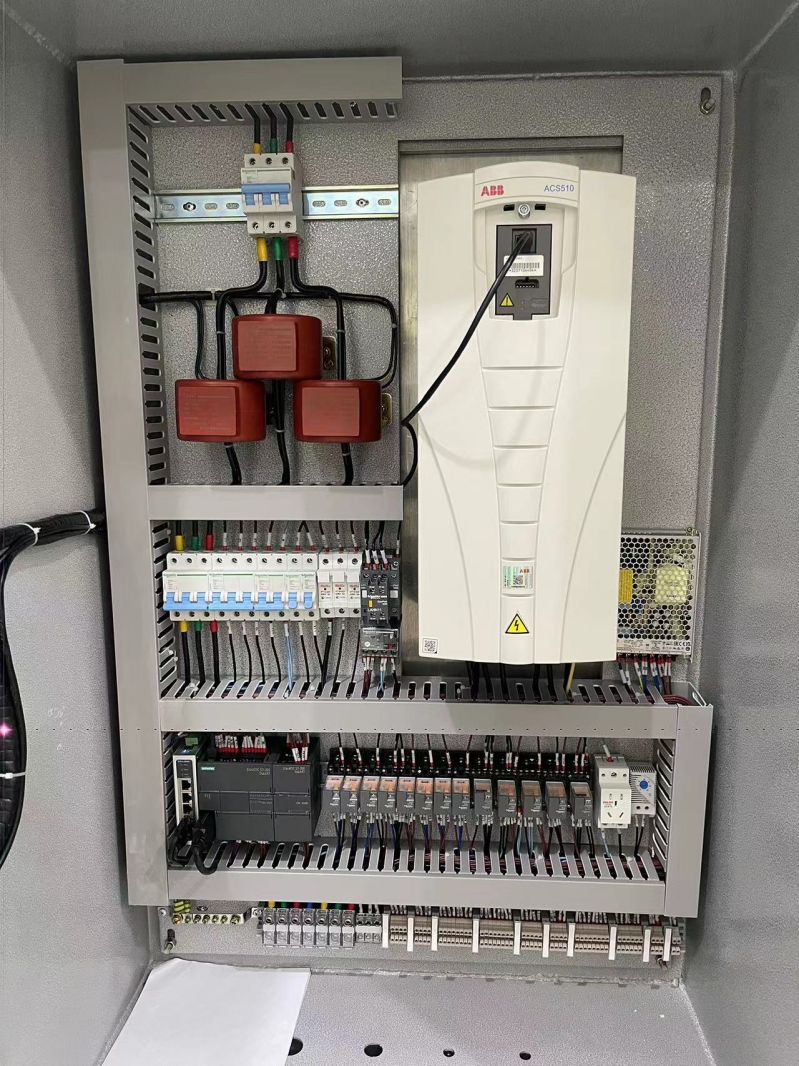
  • APFC/SVG/AHF secondary side of current transformer cannot be opened

    The improvement of power quality is mainly through power quality equipment and current signal and other parameters in the current transformer detection system, so as to correctly control the power quality problem in real time and improve the environment of the distribution system. 

    For capacitor bank, we usually only use a CT mounted on the power side for sampling. 

    For SVG APF, a set (3) CT is required for the three phases of the system, which is usually recommended to be installed on the load side.

    Current transformer is an electrical device used for measurement and protection. Its main function is to convert large current into small current to facilitate measurement, control and protection. In practical applications, the secondary side of the current transformer cannot be open-circuited for the following reasons:


    1. Principle of electromagnetic induction: The working principle of current transformer is based on the principle of electromagnetic induction, that is, when there is current passing through the primary side, a corresponding electromotive force will be generated on the secondary side. If the secondary side is open-circuited, the electromotive force cannot form a loop, causing the output signal of the transformer to be unable to be transmitted.

    2. Magnetic saturation phenomenon: When the primary side current of the current transformer is too large, the magnetic flux on the secondary side will also increase, which may lead to magnetic saturation. Magnetic saturation will cause the measurement error of the transformer to increase and may even damage the transformer. Therefore, in order to ensure the accuracy of measurement and the safe operation of the transformer, the secondary side cannot be open circuit.

    3. Thermal stability problem: The iron core of the current transformer will generate heat during operation. If the secondary side is open, the heat cannot be dissipated, which may cause the temperature of the transformer to rise. Excessive temperature will affect the performance and life of the transformer, and may even cause safety accidents such as fires. Therefore, in order to ensure the safe operation of the transformer, the secondary side cannot be open circuit.

    4. Protection function failure: The current transformer has a protective function in the power system. When short circuit, overload and other abnormal conditions occur on the primary side, the secondary side will induce corresponding current, thereby protecting the primary side equipment. If the secondary side is open-circuited, this protection function will fail, which may cause damage to the primary side equipment or a safety accident.

    5. Measurement error: The measurement error of the current transformer is related to the load on the secondary side. When the secondary side is open circuit, the measurement error will increase because there is no load. In order to ensure the accuracy of measurement, the secondary side cannot be open circuit.

    6. Affects the normal operation of the relay protection device: In the power system, the secondary side of the current transformer is usually connected to the relay protection device to protect the primary side equipment. If the secondary side is open-circuited, the relay protection device may not work properly, causing the protection function to fail.

    To sum up, in order to ensure the measurement accuracy, safe operation and effectiveness of the protection function of the current transformer, the secondary side cannot be open circuit. In practical applications, it should be ensured that the secondary side of the current transformer is always closed to avoid open circuit. At the same time, attention should also be paid to the selection, installation and maintenance of current transformers to ensure their normal operation in the power system.

    Current transformer

  • What company is kenmold?


    Kenmold exported 8 million US dollar prodcuts in Europe and North America market in 2017, including more than 300 injection tools and half million molded parts for automotive, home appliance, electronics and medical OEM industries.


    We have 22 high-precision CNC-Machines, including 2 sets of 5-axis high-speed machining center.


    We have 25 molding presses ranging from 50 tons though 1800 tons.


    We have a Class 4 clean room with grade 10,000 and 100,000 in house, certified with ISO 13485--Medical devices-quality management systems Requirements for regulatory purposes, that supports medical OEM molding and assembly.


    Customer satisfaction is the only standard to judge if it is a good mold or molded part.


    What Kenmold provide with oversea customers is beyond their expectation—I am not talking about the quality, less cost, in time delivery, or close communication, actually, every Kenmold staff treat the molds and molded parts like their own kids. Because each part is unique, when you build a mold for it, you have to think about why this mold? Why this design? Why the cavity has to be 2344 orH13? Is there any possibility to reduce cycling time one more second?


    Over 90% of our customers are from Europe and the United States. What is the most difficult thing to make the molds and molding the parts for Europe and North America customers? Communication. We have US offices in Arizona and Kentucky. With both Chinese and American teams we are able to provide our customers with 24-hour communication service. Even our technicians in the U.S. can be dispatched to our customers at any time for on-site meetings.


    Related reading:Plastic Injection Mold Tooling,Automotive Plastic Parts,Two Shot Injection Molding.


  • Seawater Desalination Systems An Innovative Solution to Water Scarcity

    With the rapid growth of the global population and the impact of climate change, freshwater resources have become a major challenge we face. Fortunately, technological advancements have made seawater desalination systems an innovative solution to address the issue of water scarcity. This blog will introduce what seawater desalination systems are, how they work, and their application areas.


     1.what are seawater desalination systems?


    Seawater desalination systems are technologies that convert seawater into usable water for drinking, irrigation, and other purposes. They remove salt and other impurities from seawater, transforming it into freshwater. Various techniques can be used in seawater desalination systems, including distillation, reverse osmosis, and electrodialysis.


    2.working principles of seawater desalination systems


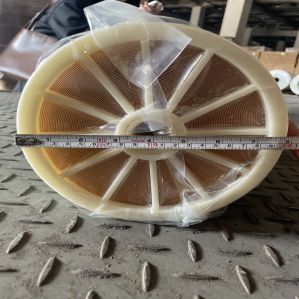
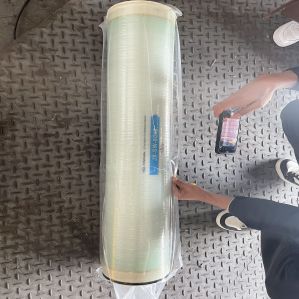
    The working principles of seawater desalination systems vary depending on the technology employed. The most commonly used technique is reverse osmosis. Reverse osmosis seawater desalination systems utilize a series of membranes, which under pressure, filter out salt and impurities, leaving behind pure freshwater. This technology is efficient, reliable, and adaptable to various scale requirements.


     3.Application areas of seawater desalination systems


    Seawater desalination systems find widespread applications in many areas, particularly in regions facing water scarcity. They are extensively used for water supply, agricultural irrigation, industrial water usage, as well as on offshore platforms and ships. Seawater desalination systems not only address the issue of freshwater scarcity but also provide a renewable water resource, contributing to social and economic development.


     4.Advantages of seawater desalination systems


    Seawater desalination systems offer several advantages, including providing renewable water resources, reducing dependency on groundwater, and addressing droughts caused by climate change.


     conclusion:


    Seawater desalination systems, as an innovative solution to address water scarcity, hold tremendous potential. Through ongoing technological innovations and sustainable development efforts, seawater desalination systems can offer renewable freshwater resources globally, helping humanity overcome water resource challenges and achieve sustainable development goals.

  • Advantage & Disadvantage of Carbon Steel Tube Sheets

    Tube sheet refers to the plate used for supporting and protecting pipelines. Pipelines are usually connected to the tubesheet through mechanical fixation or welding after drilling. In addition to serving as a fixing function, the pipe plate can also withstand the fluid and pressure inside the pipeline, reducing vibration and damage during operation. Carbon steel tube sheet, as a common tube sheet material, has a wide range of applications.

    Carbon Steel Tube Sheets


    Carbon steel tube sheets are mainly composed of iron and carbon, which contain a high proportion of carbon elements, usually between 0.2% and 2.1%. In addition, it may also contain small amounts of elements such as manganese, silicon, and phosphorus, which can improve the strength and corrosion resistance of carbon steel plates. Here are some main advantages and disadvantages of carbon steel pipe sheets:

    Carbon Steel Tube Sheets


    Advantages:

    1. High cost-effectiveness: Carbon steel, as a common and economical material, is more affordable compared to other high alloy materials, making carbon steel pipe sheets the preferred choice in many applications.


    2. High strength: Carbon steel is a type of steel with high strength, and its tensile strength is usually between 400-550MPa. This enables carbon steel plates to have high strength and rigidity under heavy loads and high pressures, enabling carbon steel pipe plates to maintain stability and reliability in high temperature and high pressure environments.


    3. Good wear resistance: Carbon steel plates can achieve higher hardness and good wear resistance after heat treatment. Therefore, in some situations where wear resistance is required, carbon steel plate is the preferred material.


    4. Easy to process and weld: Due to its low carbon content, carbon steel plates have good plasticity and weldability, and can be processed through various methods such as cold processing and hot processing. This makes the manufacturing and installation process of carbon steel pipe sheets relatively simple and efficient, reducing production costs and time.


    5. Good environmental performance: Compared to other materials, carbon steel plates have better environmental performance. It can be recycled and reused to reduce resource waste and also reduce environmental pollution.


    Disadvantages:

    1. Easy to corrode: Carbon steel plates are prone to rusting, which is one of their biggest drawbacks. Due to the high content of iron in carbon steel plates, rust will occur when they react with oxygen in the air. This not only affects the appearance, but also leads to corrosion and damage to the surface of the board. Compared to stainless steel and other high alloy materials, carbon steel is more prone to corrosion in corrosive environments such as humidity, acidity, and alkalinity, which may lead to damage and shortened lifespan of the tube plate. To address corrosion issues, surface coatings or the use of anti-corrosion coatings can be used to enhance the corrosion resistance of carbon steel pipe sheets.


    2. Not suitable for high temperature and strong acid environments: Carbon steel has lower temperature and acid resistance than high alloy materials, so in some applications that require high temperature or acidic media, carbon steel pipe sheets may not be suitable. This drawback can be avoided by welding other alloy materials to alter the performance of the contact surface.


    3. Heavy weight: Compared to some lightweight alloy materials, carbon steel pipe sheets are relatively heavy, which may increase installation and maintenance difficulties.


    In summary, carbon steel pipe sheets have advantages such as high cost-effectiveness, high strength, and ease of processing. However, their corrosion resistance, temperature resistance, and weight need to be evaluated based on specific application environments, and suitable materials should be selected to meet the requirements.

  • The Evolution of Pallet Racks From Simple Beginnings to Modern-day Innovations

    Origins of Pallet Racks

    The evolution of pallet racks has revolutionized modern warehousing and logistics practices transforming the way goods are stored, transported, and managed. The concept of using pallets for storage and transportation emerged in the early 20th century, and the development of pallet racks followed. That brought about major improvements in the efficiency of storing and retrieving palletized products in warehouses.

    Early Designs: Selective Pallet Racks and Drive-In Racks

    From beginnings as simple wooden structures to sophisticated, integrated systems, pallet racks have undergone a transformation, mirroring the advancements in technology, materials science, and supply chain management. The 1950s and 1960s saw the development of the first pallet rack systems designed specifically for warehousing. These early designs included selective pallet racks, which allowed for direct access to each pallet, and drive-in racks, where forklifts could drive directly into the rack system.

    Advanced Systems: Pallet Flow and Push Back Racks

    Pallet flow racks and push back racks were later innovations designed to increase storage density and improve inventory rotation. Pallet flow racks use gravity to move pallets along rollers, while push back racks allow pallets to be stored on nested carts, enabling Last-In-First-Out (LIFO) inventory management.

    Modern Innovations: Automated Storage and Retrieval Systems

    Over the years, pallet rack designs have continued to evolve with advancements in materials, engineering, and technology. Automated storage and retrieval systems (AS/RS) are some of the latest developments in pallet racking. These systems use computer-controlled systems to automatically place and retrieve loads from defined storage locations.

    The Future of Pallet Racks

    The development of the visonstorage pallet rack has been an integral part of the evolution of the warehousing industry. As the industry continues to evolve, and as technology and automation continue to advance, we can expect further innovations in pallet racking systems. The pallet rack has been a game-changer in the warehousing world, and will continue to play a crucial role in the industry's journey towards greater efficiency and productivity.


  • What is the explosion-proof centrifugal fan

    Explosion-proof centrifugal fans represent a critical advancement in industrial ventilation, specifically designed to operate safely within environments where flammable and explosive substances pose significant hazards. With a meticulous attention to detail and specialized construction, these fans provide essential ventilation without risking ignition or combustion.


    The core feature of an explosion-proof centrifugal fan lies in its ability to operate without generating sparks. This capability is indispensable in industries such as petrochemicals, where the presence of flammable gases, dust, and liquids demands utmost caution. In such environments, even the slightest spark can trigger catastrophic consequences. Therefore, every component of these fans is engineered to eliminate any potential ignition sources.


    1 Material Selection: The construction of an explosion-proof centrifugal fan begins with the careful selection of materials. All parts that come into contact with gases must be crafted from non-ferrous materials. The use of aluminum impellers, renowned for their spark-resistant properties, is a common practice, ensuring safe operation even in the most volatile settings.


    2 Friction Prevention: To mitigate the risk of sparks caused by friction between the impeller and the air inlet, explosion-proof centrifugal fans employ innovative solutions. Throat explosion-proof designs are implemented, featuring the integration of aluminum or copper rings at the fan's air inlet. This strategic placement acts as a barrier against potential sparks, minimizing the threat of fires and other hazardous incidents.


    3 Flange Selection: The choice of flange is tailored to the specific requirements of each user's site. Options range from standard flanges to specialized stainless steel chemical flanges, selected based on factors such as environmental conditions and operational needs. This ensures compatibility and optimal performance within diverse industrial settings.


    4 Motor Considerations: Perhaps the most crucial aspect distinguishing explosion-proof centrifugal fans from their conventional counterparts is the type of motor utilized. In adherence to stringent safety standards, these fans are equipped exclusively with explosion-proof motors. Engineered to prevent the internal sparking that could ignite volatile substances, these motors are essential components of the fan's overall safety architecture.


    In summary, explosion-proof centrifugal fans epitomize the intersection of safety and efficiency in industrial ventilation. Through meticulous design, innovative materials, and specialized components, these fans offer a reliable solution for maintaining optimal airflow in environments where the consequences of ignition are simply not an option. As industries continue to prioritize workplace safety, the demand for these indispensable ventilation systems is only set to grow.  

    Yjventilationfan is professional industrial fan manufacturer, we can supply best ventilation fans with factory price!


  • How to design a dryer with axial fan and heat exchanger

    Designing a dryer with an axial flow fan and a heat exchanger involves several steps to ensure efficient drying while maximizing heat transfer. Here's a general guide to designing such a system:


    Determine Drying Requirements: Understand the drying requirements for the material you intend to dry, including the required drying temperature, moisture removal rate, and airflow rate.


    Select Heat Source: Choose a suitable heat source for the dryer. This could be steam, hot air, or electric heaters, depending on availability, cost, and efficiency considerations.


    Design the Heat Exchanger: Select a type of heat exchanger that suits your application. Fin tube heat exchangers are commonly used. Determine the size, material, and configuration of the heat exchanger based on the heat transfer requirements and available space.


    Integrate the Heat Exchanger with the Dryer: Position the heat exchanger within the dryer system such that the airflow from the axial fan passes through it. Ensure proper sealing to prevent air leakage and maximize heat transfer efficiency.


    Choose an Axial Fan: Select an axial fan suitable for the airflow requirements of the dryer. Consider factors such as airflow rate, pressure requirements, and energy efficiency. Position the fan to ensure uniform air distribution throughout the dryer.


    Design the Dryer Chamber: Design the dryer chamber to accommodate the material to be dried and facilitate efficient airflow. Consider factors such as chamber size, insulation, air inlet/outlet placement, and material handling mechanisms.


    Control System Design: Develop a control system to regulate the operation of the fan, heat source, and other components of the dryer. Incorporate temperature and moisture sensors to monitor drying conditions and adjust parameters as needed.


    Safety Measures: Implement safety features such as temperature and pressure alarms, emergency stop buttons, and ventilation systems to ensure safe operation of the dryer.


    Testing and Optimization: Conduct tests to evaluate the performance of the dryer system, including heat transfer efficiency, drying time, and energy consumption. Make adjustments as necessary to optimize performance and meet drying requirements.


    Maintenance Plan: Develop a maintenance plan to ensure the long-term reliability and efficiency of the dryer system. This includes regular inspection, cleaning, and servicing of components such as the fan, heat exchanger, and control system.


    By following these steps and considering the specific requirements of your application, you can design a dryer with an axial fan and heat exchanger that effectively removes moisture from the material while minimizing energy consumption and ensuring safe operation.

    Yjventilationfan is professional heat exchanger manufacturer, we can supply best heat exchangers according your needs.


  • How centrifugal fan and Heat Exchanger work together

    |

    Centrifugal fans and heat exchangers can work together in various applications, particularly in systems where air or gas needs to be circulated and heat needs to be transferred or removed. Here's how they can work together:


    Heat Removal/Exchange: In many industrial processes or HVAC systems, heat needs to be removed or exchanged to maintain optimal temperatures. Heat exchangers are used to transfer heat from one fluid (or gas) stream to another without the streams mixing. A centrifugal fan can be employed to circulate one of these streams, either the fluid being cooled or the fluid used for cooling, through the heat exchanger.


    Air Conditioning and HVAC Systems: Centrifugal fans are commonly used in air conditioning systems to circulate air through the system. Heat exchangers are also integral components in air conditioning units, where they transfer heat between the indoor and outdoor air streams. The fan helps to move the air through the heat exchanger, facilitating the heat exchange process.


    Industrial Processes: In various industrial processes, heat exchangers are utilized to control temperatures of fluids or gases involved in the process. Centrifugal fans can be used to move these fluids or gases through the heat exchanger, enhancing the efficiency of the heat transfer process. For example, in chemical processing plants, heat exchangers are used to cool down hot gases or liquids, and centrifugal fans help in circulating these fluids through the exchangers.


    Heat Recovery Systems: Heat exchangers are often employed in heat recovery systems to capture waste heat from processes or exhaust streams. Centrifugal fans can be used to aid in the circulation of the fluids or gases involved in the heat recovery process, ensuring efficient heat transfer and utilization.


    Ventilation Systems: In buildings or confined spaces where ventilation is necessary, centrifugal fans are used to circulate air. Heat exchangers can be integrated into these ventilation systems to recover heat from the outgoing air stream and transfer it to the incoming air stream. The fan helps to facilitate the movement of air through the heat exchanger.


    Centrifugal fans and heat exchangers can work together in various applications to facilitate the circulation of fluids or gases and to transfer or exchange heat efficiently. They are often integral components in HVAC systems, industrial processes, and ventilation systems where heat transfer and air circulation are essential.


  • The Industrial Axial Fans And Advantage Of Axial Flow Fan

    An industrial axial fan is a type of fan that is designed to move air parallel to the fan's axis of rotation. Unlike centrifugal fans, which move air at a right angle to the fan's blade, axial fans create airflow in the same direction as the fan's rotation. These fans are commonly used in various industrial applications, such as cooling systems, ventilation, and air circulation in large spaces.


    The design of industrial axial fans typically includes blades that resemble airplane propellers. They are efficient in moving large volumes of air, making them suitable for applications where high airflow is required. These fans are often found in industries such as manufacturing, power generation, and HVAC (heating, ventilation, and air conditioning) systems.


    Here are some key features and aspects of axial fans:


    Blade Design:

    Axial fans have blades that resemble those of an airplane propeller. These blades are mounted on a central hub and rotate around the axis of the fan.


    Airflow Direction:

    The primary characteristic of axial fans is that they generate airflow in the same direction as the fan's rotation. Air is drawn into the fan at one end and expelled at the other.


    Applications:

    Axial fans are commonly used in various industrial and commercial applications where high airflow is required at relatively low pressure. This includes cooling electronic equipment, ventilation in industrial spaces, air circulation in HVAC systems, and cooling of machinery.


    Efficiency:

    Axial fans are known for their efficiency in moving large volumes of air. They are particularly effective when the application demands a high flow rate without the need for significant pressure buildup.


    Energy Efficiency:

    In situations where the primary requirement is a high flow rate of air at low pressure, axial fans are often more energy-efficient compared to other types of fans.


    Mounting Orientation:

    Axial fans are typically mounted in a way that allows air to flow along the axis of the fan. They can be installed in various configurations, such as wall-mounted, ceiling-mounted, or in-line with ductwork.


    Noise Levels:

    Axial fans generally produce lower noise levels compared to some other types of fans, especially at lower speeds. This makes them suitable for applications where noise is a consideration.


    Variability in Size:

    Axial fans come in a range of sizes, from small fans used in personal electronics to large industrial fans used in ventilation systems for large buildings.


    While axial fans have their advantages, it's important to consider the specific requirements of the application to determine whether they are the most suitable choice, especially when factors like pressure, space constraints, or noise levels come into play.