• Why use the exhaust heat wrap for exhaust pipe?

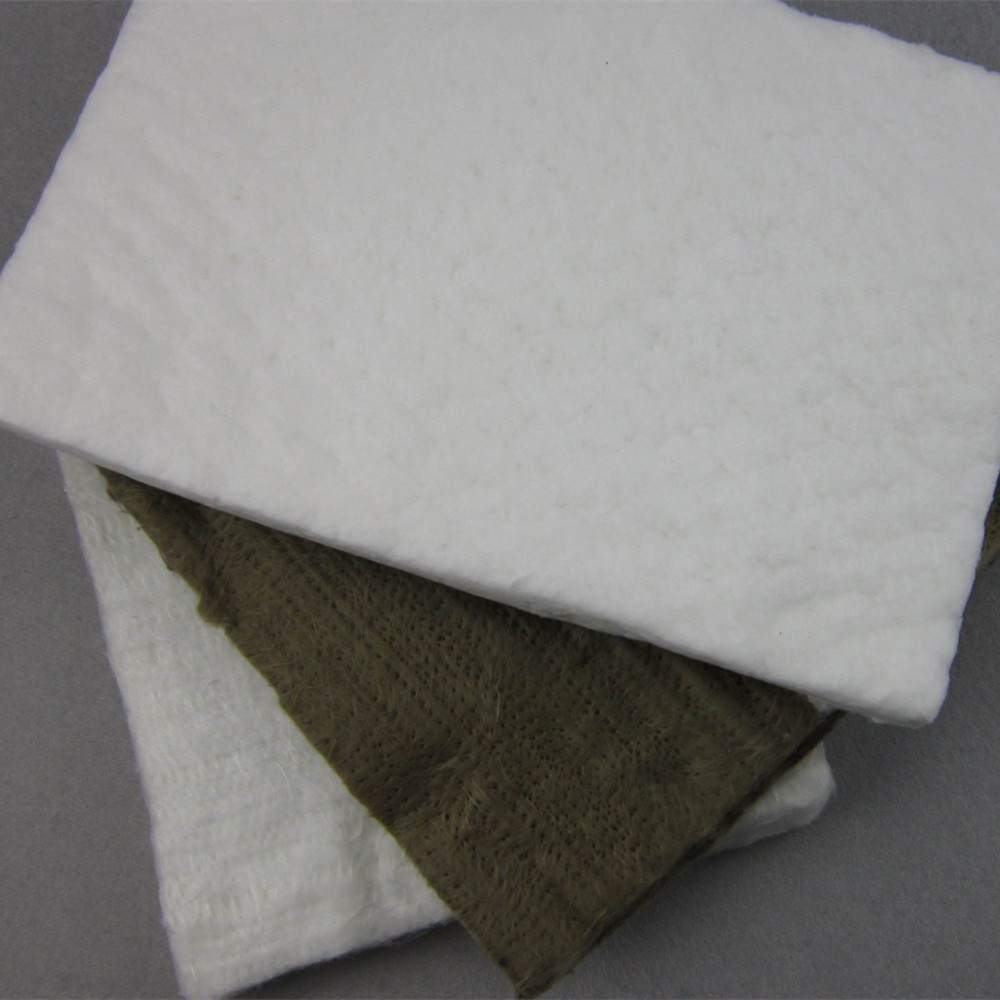
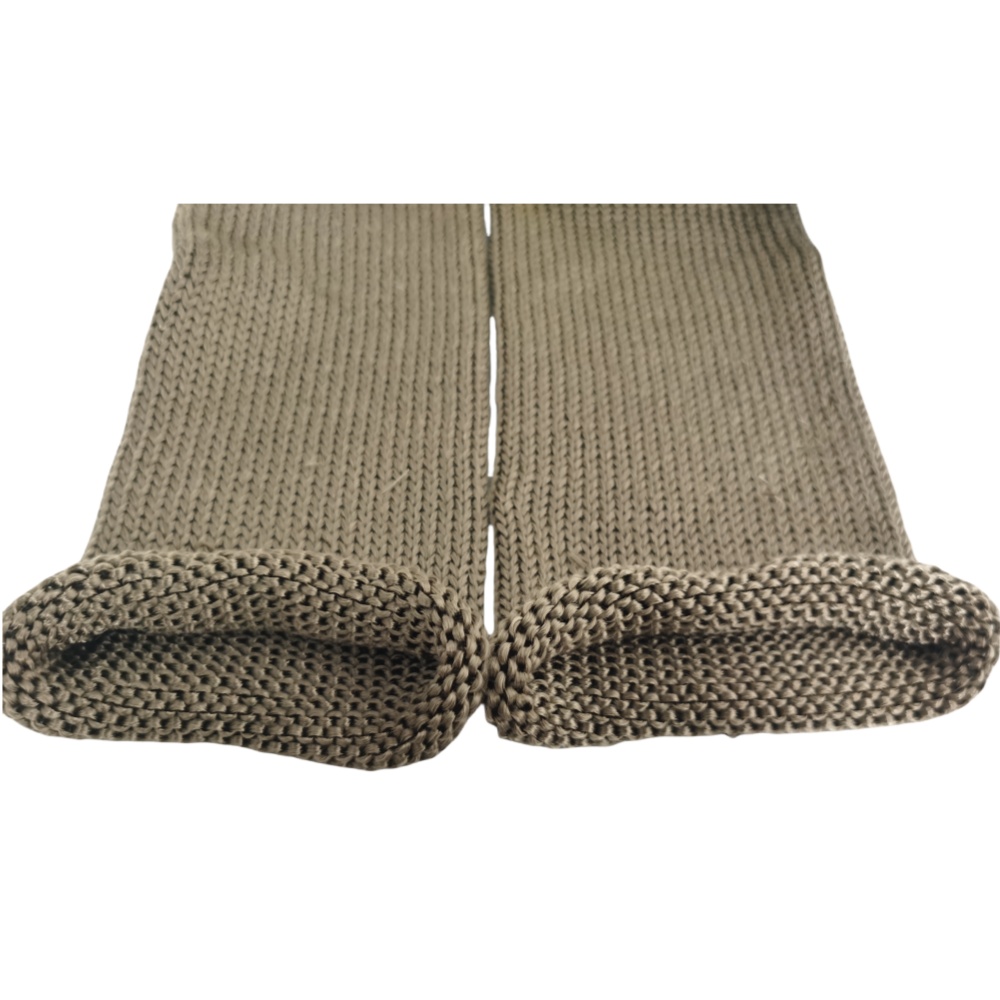
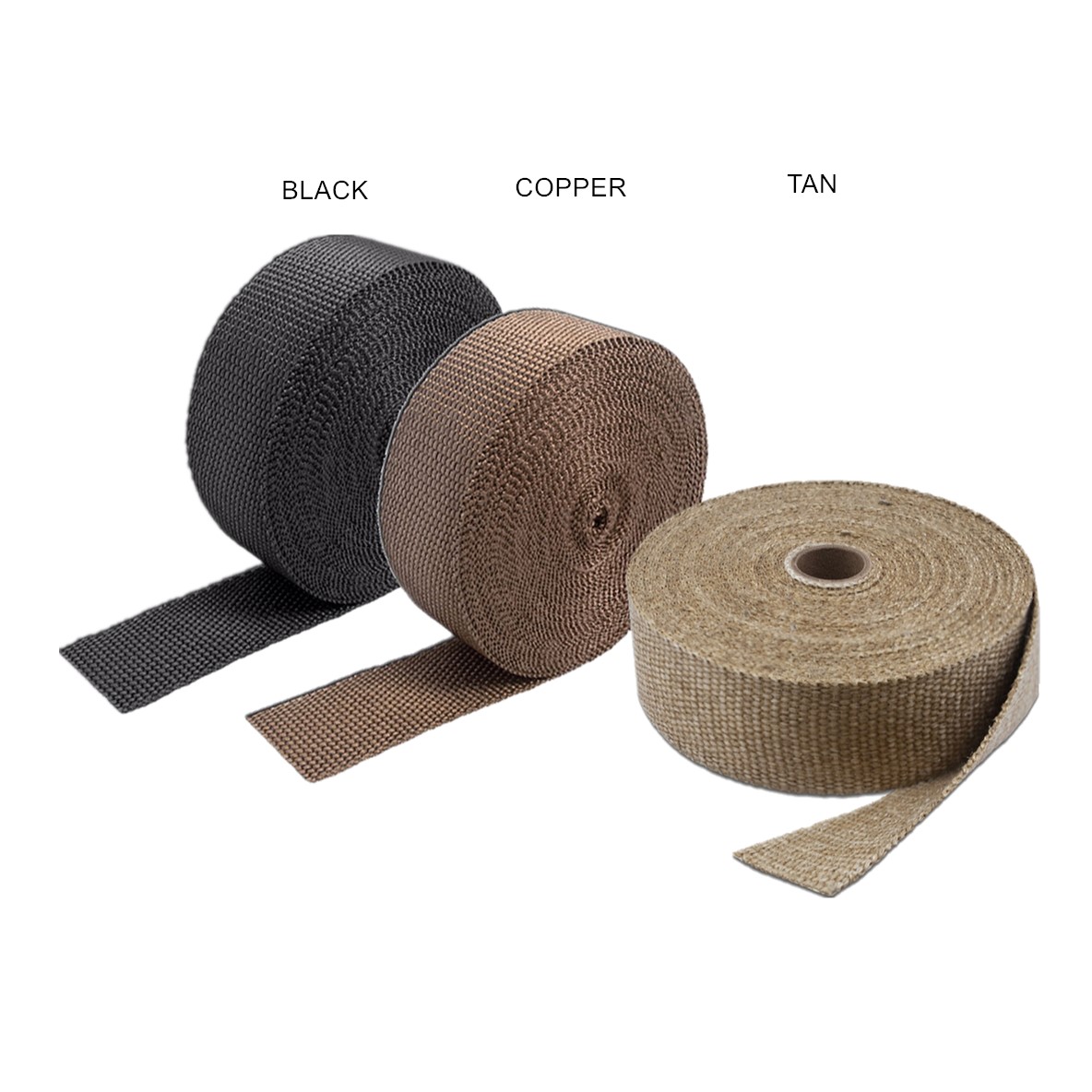
    Exhaust Heat Wrap is a crucial solution for vehicles that need enhanced thermal protection. It reduces heat loss from the exhaust system, improves performance by increasing exhaust gas velocity, and protects surrounding components from heat damage. The wrap is commonly used in motorsports, high-performance vehicles, and even street cars that need extra protection against heat.

    exhaust heat wrap

    Here are five types of vehicles where exhaust heat wrap can be used:

    1. Sports Cars (e.g., Chevrolet Corvette): Heat wrap helps improve exhaust efficiency, enabling the engine to perform at its best during high-speed driving and intense performance.

    2. Motorcycles (e.g., Yamaha YZF-R1): The exhaust system on motorcycles is exposed to high temperatures; wrapping helps prevent heat soak, protecting riders and components.

    3. Off-Road Vehicles (e.g., Jeep Wrangler): For off-road enthusiasts, exhaust heat wrap shields vital components from extreme heat, ensuring they remain functional in harsh conditions.

    4. Street Cars (e.g., Ford Mustang): Many street vehicles benefit from exhaust wraps to maintain consistent engine temperature and improve fuel efficiency.

    5. Racing Cars (e.g., Formula 1 Cars): In motorsports, wrapping exhaust pipes increases performance by optimizing heat dissipation and protecting the engine's other sensitive components from overheating.

    Different Materials of Exhaust Heat Wrap:

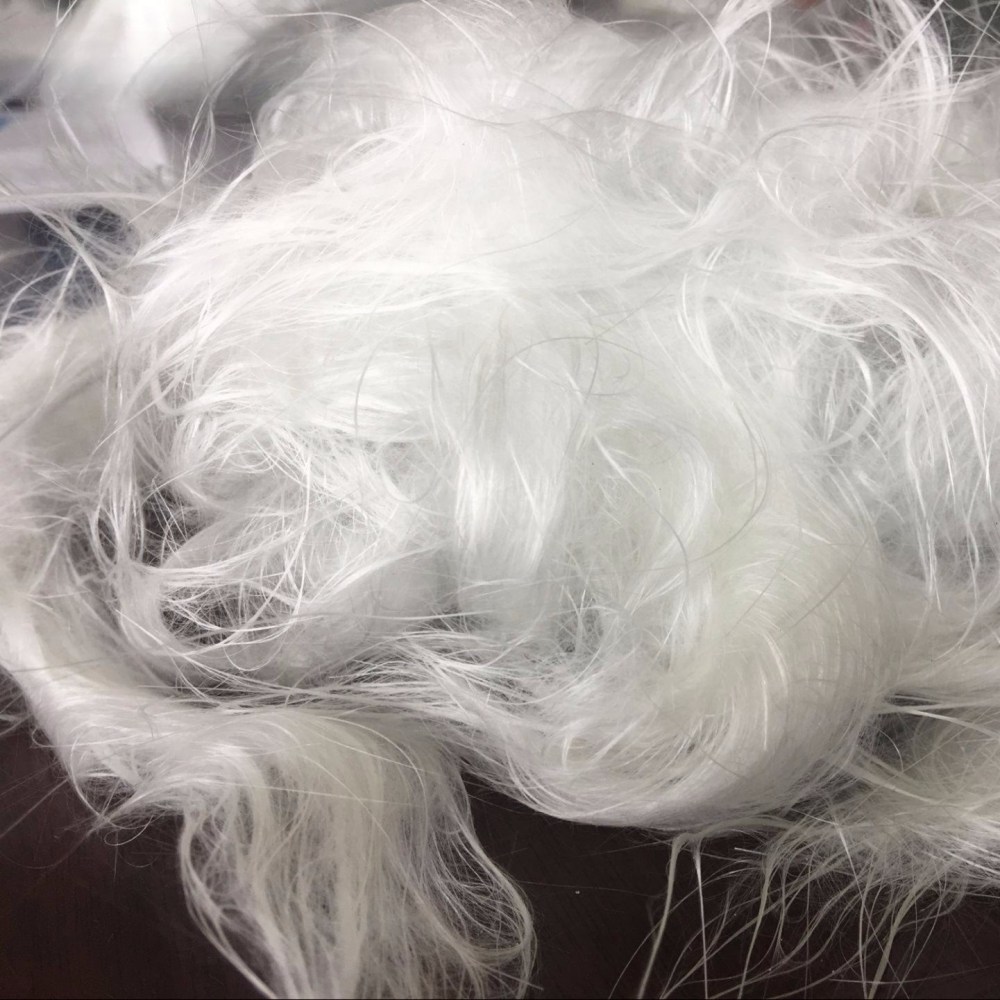
    1. Fiberglass Wrap: One of the most common materials, it’s effective in retaining heat inside the exhaust system, improving the flow of gases and performance.

    2. Titanium Wrap: Known for its extreme heat resistance, titanium wrap offers higher durability, especially under higher temperatures and conditions.

    3. Carbon Fiber Wrap: A more lightweight option, carbon fiber is heat resistant and perfect for applications that demand both strength and lightness.

    4. Aluminized Wrap: This wrap reflects heat instead of retaining it, offering a protective barrier for nearby components and enhancing exhaust flow.

  • How Altitude Has an effect on a Normal water pump?

    Have you seriously considered how altitude might impact a water pump? Lots of people don’t, however it is an essential issue to be aware of, as it could positively or negatively affect the overall performance of your own diaphragm water pump. Altitude may affect the overall performance of your diaphragm water pump a lot more than you could possibly realize. Whether it is improving the gasoline required to run a pump at an increased altitude, reducing or perhaps improving the pump's performance, or leading to other conditions from the diaphragm water pump, there is a lot more to working a pump in a higher or lower altitude than you could have initially imagined.

    Let us speak about how the higher altitude affects a washdown pump. The greater the altitude is a particular place, the reduced the strain will probably be. This takes place because as you go higher, the o2 thins out and will become significantly less packed. Fresh air is really a fuel, meaning that because the altitude increases, the o2 decreases in denseness. Essentially, this means that there is certainly significantly less air flow the higher you choose to go. The opposite holds true when you decline in altitude. The farther down you choose to go, the denser o2 will become, and the a lot more air flow there is certainly. Simply because this is applicable to moving water, this thinning or increasing from the denseness of air flow affects the strain from the pump. The greater the altitude, the thinner the environment as you already know. But the air flow acquiring thinner means there is significantly less tension the higher you choose to go, and the lower you choose to go, the greater the strain increases. The pressure decrease may be the biggest part that affects a washdown water pump, in fact it is known as atmospheric tension.


    The lower the atmospheric pressure, the harder it will be for the pump to do its job, which is to pump water or other liquids from one location to another. The decrease in pressure, due to higher altitude, means that the pump will have to work much harder. This also means that the water pump will lose how far it can pump the water or other liquid (total dynamic head loss). Furthermore, the lack of pressure means less suction power (suction lift) and pumping power the higher you go. This is obviously not a good thing, as a pump's purpose is to move liquid, and if it can’t do that as well as it is supposed to, significant losses will be experienced, and the manufacturer's attainable specifications and attainability will not be able to be met. Simply put, if the pump manufacturer states that there is maximum total dynamic head of 200’ and maximum of 500 GPM (gallons per minute) at 4,000 feet above sea level, you can expect that those numbers will be significantly lower.


    Specific gravity suggests that water can be pumped from less than or equal to 26 feet down when operating at sea level, which is to say that when you’re at sea level with a catflo water pump, you can only expect your pump to have a maximum suction lift of 26 feet or less. This number increases as you go lower than sea level, because there is more atmospheric pressure. The higher you go, however, the less suction lift you can expect from the pump. The general rule of thumb is that for every 1,000 feet above sea level, subtract 2 feet from the 26-foot number of suction lift. One way to improve this issue is to place the water pump as close to the liquid source as possible, so it has less distance to travel when trying to draw water from the source to the pump.

    The suction lift in a pump is on the suction side of the high pressure camping water pump, meaning the part of the pump that sucks up water and other liquids using pressure. The higher you go, the less effective it is. Here is a chart showing the effects of increased elevation on suction lift.


  • Revolutionizing Warehousing with Automated Vertical Storage and Four-Way Shuttle Cars

    Introduction:
    In recent years, the rise of automation has transformed various industries, and the world of warehousing is no exception. The advent of automated vertical storage systems and the integration of cutting-edge technology, such as four-way shuttle cars, have revolutionized the way goods are stored, retrieved, and managed in modern warehouses. This blog post explores the benefits and advancements brought about by automated vertical storage and the remarkable capabilities of four-way shuttle cars.

    Efficiency and Space Optimization:
    Automated vertical storage systems are designed to maximize space utilization in warehouses. By taking advantage of the vertical dimension, these systems allow goods to be stored in a compact and efficient manner. Traditional static shelves are replaced with tall racking structures, equipped with automated lifts and robotic arms. This vertical arrangement significantly increases the storage capacity, enabling warehouses to accommodate a larger quantity of products within the same footprint.

    Four-Way Shuttle Cars: The Versatile Workhorses:
    One of the key components of kingmoresmart automated vertical storage system is the four-way shuttle car. These innovative machines are specifically designed to navigate the multi-level racking structures effortlessly. Equipped with omnidirectional wheels, the shuttle cars can move horizontally, vertically, and even diagonally with utmost precision. This versatility allows them to access any desired storage location within the warehouse, streamlining the retrieval process and minimizing human intervention.

    Enhanced Speed and Productivity:
    The combination of automated vertical storage and four-way shuttle cars significantly improves the speed and productivity of warehouse operations. With the ability to access any shelf within moments, the shuttle cars eliminate the need for human operators to travel long distances to retrieve goods manually. This translates into reduced picking times, increased order fulfillment rates, and enhanced overall efficiency.

    Smart Inventory Management:
    Automation in vertical storage systems goes beyond just physical handling of goods. Integrated software and advanced algorithms track the location of each item in real-time, ensuring accurate inventory management. Warehouse managers can easily monitor stock levels, track inventory movement, and optimize storage locations based on demand patterns. This intelligent inventory management minimizes errors, reduces stockouts, and enables better warehouse planning.

    Improved Safety and Reduced Damages:
    Human errors and accidents are common in traditional warehousing setups. However, with automated vertical storage and four-way shuttle cars, the risks associated with manual handling are significantly mitigated. These systems are equipped with sensors and safety features that prevent collisions, detect obstacles, and ensure safe operation. By minimizing accidents and damages, warehouses can save costs and uphold a safe working environment.

    Conclusion:
    Automated vertical storage systems and the integration of four-way shuttle cars have reshaped the landscape of modern warehousing. The combination of space optimization, enhanced productivity, smart inventory management, and improved safety make them indispensable tools for businesses aiming to stay competitive in the rapidly evolving e-commerce era. As the demand for efficient order fulfillment continues to grow, the adoption of automated vertical storage systems and four-way shuttle cars will undoubtedly play a vital role in optimizing warehouse operations and meeting customer expectations.


  • What are Endless Web Slings Called?

    Endless web slings are a cornerstone of modern lifting operations, valued for their flexibility, strength, and reliability. Often overlooked due to their simplistic appearance, these versatile tools play a pivotal role in numerous industries where effective and safe lifting techniques are paramount. However, defining these essential tools correctly can sometimes be a challenge. Let's delve deeper into the world of lifting equipment and uncover the alternate names by which endless web slings are known in various industrial circles.


    Endless web slings are frequently referred to as continuous loop slings due to their seamless, unbroken construction. This name aptly describes the design of these slings, whose circular nature allows for uniform weight distribution and enhanced load-bearing capabilities.


    Another common moniker for endless web slings is round slings. Despite the flexible, flat nature of webbing material, these slings achieve a circular shape when loaded, providing a secure grip around the lifted item. The round sling designation emphasizes the all-encompassing support these slings offer, making them an indispensable tool for a diverse range of lifting applications.


    Some professionals in the lifting and rigging sector may also use the term belt slings to describe endless web slings. This designation underscores the similarity between these slings and traditional belts, highlighting their role in securing and supporting heavy loads with efficiency and ease.


    In certain industries, endless web slings are affectionately referred to as soft rounds. This term reflects their pliable nature and the gentle touch they provide to delicate or sensitive loads during lifting operations. The soft round designation underscores the versatility of these slings in accommodating various shapes and sizes without causing damage.


    Endless web slings, known by these alternate names, are an indispensable asset in the realm of lifting and rigging. Their ability to conform to diverse load shapes, distribute weight evenly, and withstand heavy loads makes them a go-to solution for ensuring safe and efficient lifting operations across industries. Understanding the various names associated with endless web slings sheds light on the multiple dimensions of their utility and underscores their significance in contemporary lifting practices.


    Regardless of the name used to describe them, the enduring value of endless web slings lies in their reliability, adaptability, and capacity to enhance the safety and efficacy of lifting tasks in industrial settings.

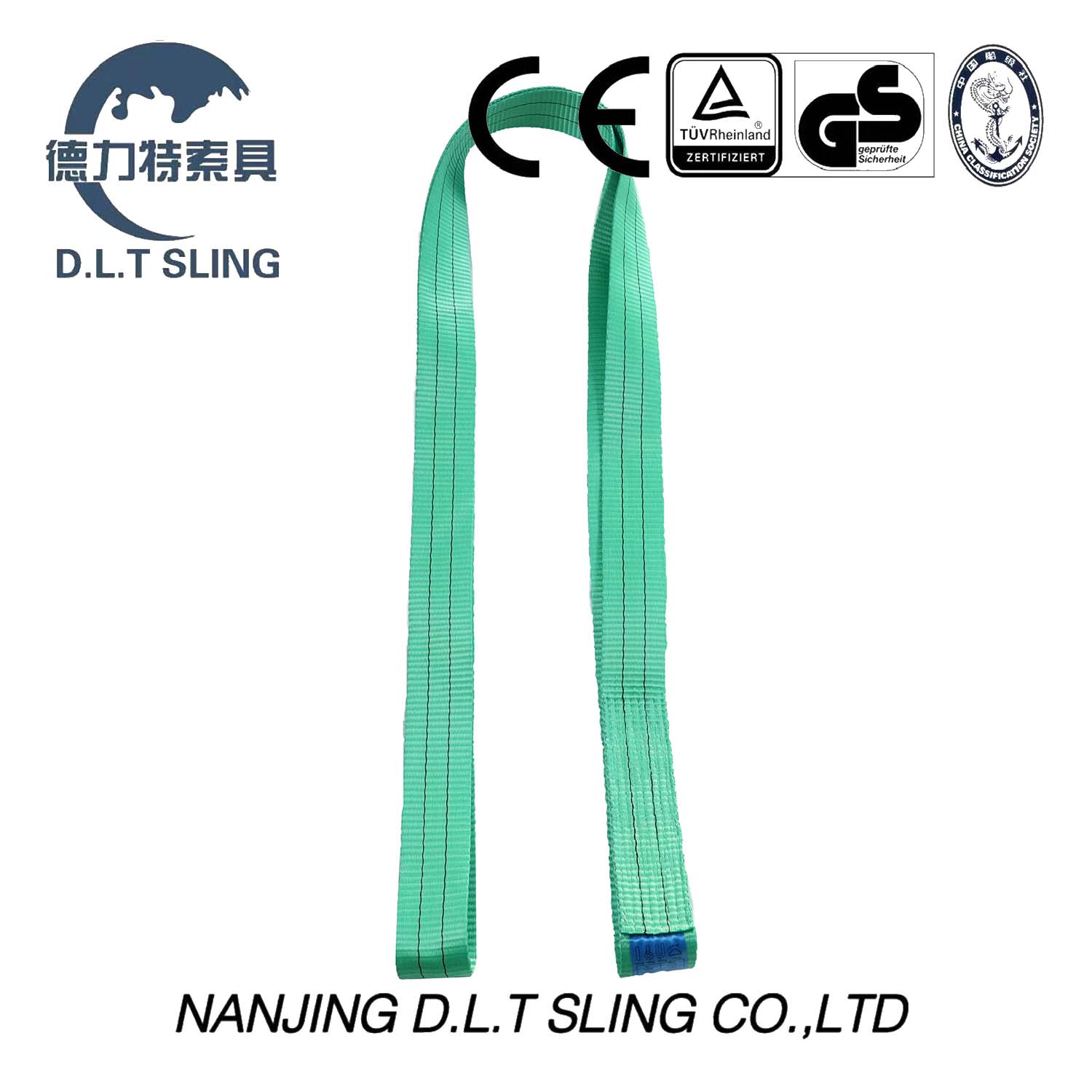
    ENDLESS WEBBING SLING

  • Why Are They Called Ratchet Straps?

    Ratchet straps are essential tools for securing cargo during transportation, ensuring that items remain stable and safe while being moved. But have you ever wondered why they are referred to as "ratchet straps"? The name itself provides a clue to one of the key components that sets these straps apart and makes them so effective in their purpose.


    The term "ratchet" in "ratchet straps" refers to the mechanism incorporated into these straps that allows for incremental and controlled tightening of the strap. This ratcheting mechanism consists of a gear and a pawl that work together to prevent the strap from loosening once tension is applied. This design enables users to tighten the strap securely around the cargo with ease and precision, providing a level of control that other types of cargo straps may lack.


    The ratcheting mechanism works by allowing the user to pull the loose end of the strap through the ratchet and then crank the handle back and forth. With each back-and-forth motion, the gear inside the ratchet tightens the strap incrementally until the desired level of tension is achieved. The pawl, a small metal piece with teeth, holds the strap securely in place, preventing it from unwinding and maintaining the tension throughout the journey.


    This design feature of ratchet straps offers several advantages over traditional straps with simple buckles or cam buckles. The ratcheting mechanism allows for greater control over the tension applied to the strap, ensuring a tighter and more secure hold on the cargo. This precise adjustment capability is particularly useful when securing heavy or irregularly shaped loads that require extra stability during transportation.


    The name "ratchet straps" underscores the innovative and efficient design of these cargo securing tools. By combining strength, durability, and the precise tightening action facilitated by the ratcheting mechanism, ratchet straps have become a preferred choice for professionals in various industries, including logistics, transportation, construction, and moving services.


    The term "ratchet straps" reflects the unique functionality and efficacy of these cargo securing devices. The ratcheting mechanism plays a pivotal role in providing users with the control and security needed to ensure that their cargo remains safe and stable during transit. With their ease of use, reliability, and precision tightening capabilities, ratchet straps continue to be a go-to solution for professionals seeking a dependable and efficient method of securing loads for transportation.

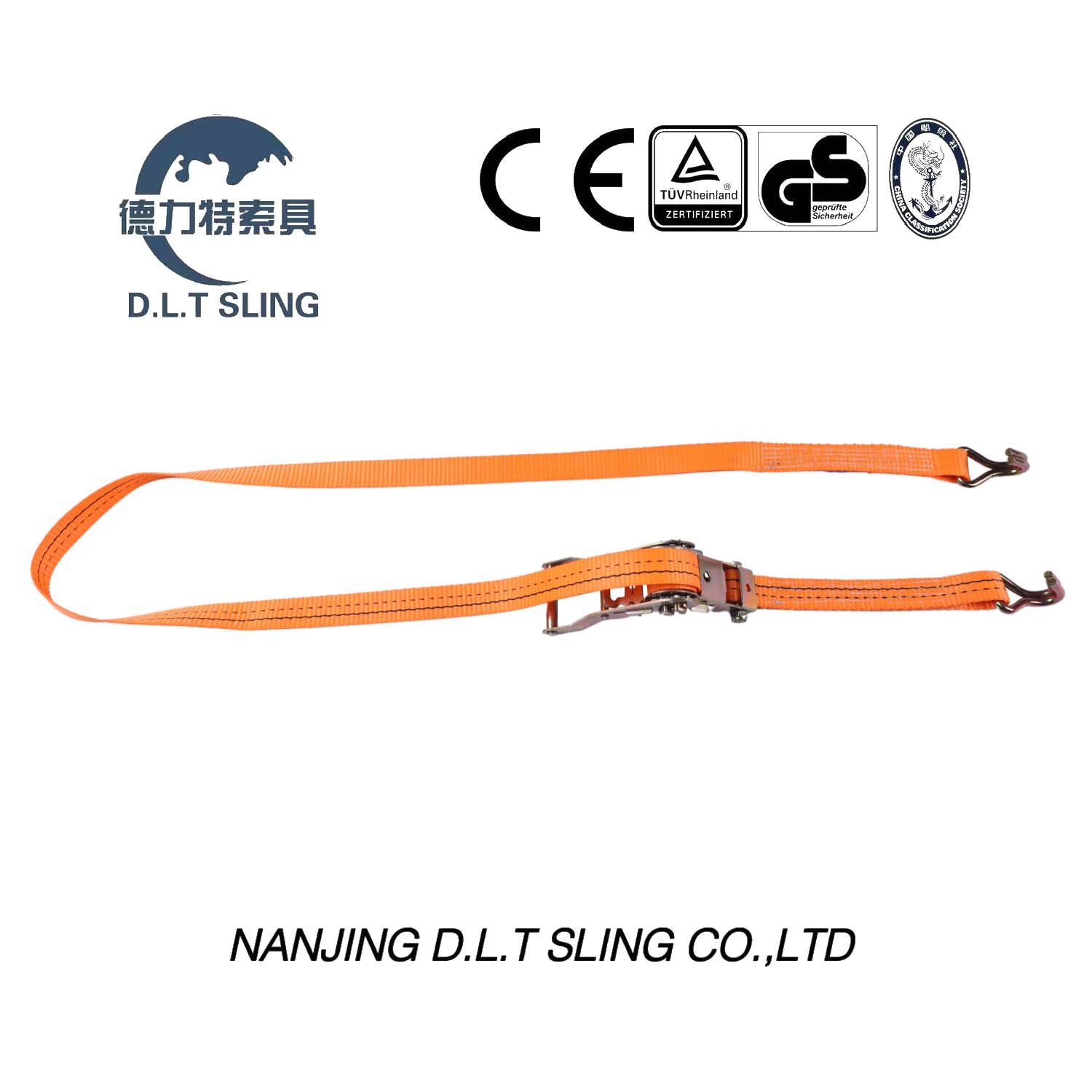
    ratchet tie down

  • How to choose grinding wheels for better using your slitter blades

    Slitter blades will rub with boards during operation, resulting in blade blunding. Therefore, it is neccessary to shapen blades with grinding wheels. lcknife Slitter blades made of different materials should be sharpened with correspondinggrinding wheels. For example, you can choose CBN(cubic boron nitride) grinding wheel for high-speed steel thin blade, with particle size ranging from 100#-150#; While tungsten steel thin blades should be sharpen with SCD(diamond) grinding wheels, with particle size ranging from 180#-240#.

  • AC cooling fan introduction - Chungfo Electronic


    AC cooling fan introduction - Chungfo Electronic


    AC cooling fan is the major aspects of different varieties of industrial products, including electrical machinery and electronic digital products which all demands cooling fan as the major device for energy managing. By developing the environment flow, cooling fan provides cool air to decrease the temperatures of your industrial equipment, also, will help the industrial electrical or electronic digital projects to hold our prime effectiveness as well as its performance is definitely not minimized due to the heat produced.

    As the part of the electronic digital components, AC cooling fans are widely developed in the home appliance or different varieties of industrial electronic digital machinery. It is because AC coolinf fan offers stable air movement consistently, which assists to stable the machinery performance, hence the machinery is definitely not from operate due to the overheat.

    AC cooling fan works with AC power, and by operating of your impellers to generateair flow to decrease the temperatures of your machinery, which will help prevent the machinery from overheat. The many between AC fan and DC fan is – AC cooling fan air flow is stable and consistently, that may typical the machinery temperatures. Also, by changing the fan speed to meet the objective of energy managing.

    AC coolinf fan could be categorized in 2 major models, depending on its design –

    AC axial fans – the air flow it creates is vertical with the fan impeller, the air in and out is in the same direction. AC axial fans’ main advantages are – big air flow, easy assembly, high efficiency, and high speed. With multiple product selection with different air flow and speed, it allows the users to choose the axial fans meets their requirements most. External rotor axial fans provides stronger air flow and higher speed, and with metal impeller design, it fits better for customers who need to use the fans in a rugged circumstance.

    AC cross-flow fan the air-in direction is horizontal with air-out. The design of impeller and air-out area is narrow, which fits most to install on the flat machines, like elevators, air conditioners,electronic equipment and so on.

    If you need to know more about Chungfo AC fan,please don’t hesitate to contact with us.

  • AC, DC, EC fans Features

    |

    AC, DC, EC fans Features


    When it comes to cooling fans, it is estimated that everyone is very familiar with them. They are indispensable in our life, such as household appliances, electronic products, digital computers, medical equipment, etc. They will be used as long as they need cooling and exhausting. Cooling fans can be divided into AC fans, DC fans and EC fans. Here, I will explain the difference between AC / DC / EC fans:

    AC fan is what we call AC cooling fan. The principle and manufacturing method of this kind of fan are very simple. Its characteristic is that the power frequency is fixed and will not change with the positive and negative voltage.

    DC fan and EC fan belong to DC cooling fan, but there are some differences between them. A simple summary: DC input is DC, EC can input AC, which converts AC into DC.


    Advantages of AC fan:


    1. Provide stable and continuous air volume.


    2. Hot air can be discharged and colder air can be inhaled.


    Advantages of DC fan:


    1. Minimal electromagnetic interference.


    2. Low energy consumption.


    Advantages of EC fan:


    It has the characteristics of high intelligence, high energy saving, high efficiency, long service life, low vibration, low noise and continuous work.


    We are Chungfo, a professional manufacturer of cooling fans. We prodece DC axial fan, DC blower fan, DC frameless fan, AC fan, AC / DC cross flow fan, EC fan and so on.

  • Cooling Fan - AC Shaded Pole Induction Motor

    In addition to the DC brushless motor, there is another type of shaded pole induction motor in the exhaust cooling fan.


    As the name suggests, Induction motors is because electromagnets in the stator induce magnetism in the rotor. They induce magnetism in the rotor because, unlike the rotor in a brushless DC motor, the rotor in an induction motor contains no magnets.


    A separate small winding is used in the stator, called the shielded coil. The electromagnets in the stator are formed by coils around steel laminations. The shading coil is wound around a small section of the laminations. When ac is supplied to the main winding, a portion of the resulting magnetic flux links to the shading coil. This induces a current in the shading coil which behaves like the secondary of a transformer. The induced current, in turn, produces its own (weak) magnetic flux which lags the magnetic flux in the main portion of the stator. Consequently, there is a time and space displacement between the two fluxes. This time and space displacement sets up the conditions for a rotating (or shifting) magnetic field. The rotating magnetic field is what starts and keeps the rotor turning.

    AC Shaded Pole Induction Motor Exhaust Cooling Fan

    Some shielded pole motors do not use shielded coils. Instead, they use a small gap in the lamination, which is enough to generate the hysteresis magnetic field needed to rotate the rotor.


    The advantage of AC cooling fan shaded pole motors is that they are inexpensive because they have a pretty simple construction. But the problem is that they are inefficient, mainly because of the lossy linkage between the shaded coil and main winding. The efficiency of shaded pole motors generally is only between 15 and 30%. And the power factor is rather low as well.


    A low power factor and efficiency is probably ok for applications where there is only one small cooling fan (shaded pole motors are generally 40 W or less). But consider an application like a data center, which includes racks and racks and racks and racks of severs, and each of those servers has its own fan. It is not advisable to have hundreds or even thousands of fans all operating at only 30% efficiency. Brushless motor technology and its efficiency of 90% are more suitable for these applications.


  • Cooling Fan - Brushless DC Motor

    Motors that power ventilation cooling fans are usually divided into brushless motors or induction motors.


    Brushless motors are sometimes called electronically commutated motors. Commutation refers to the act of switching the electrical connection from one motor winding to the next one. Motor windings in the DC cooling fan motor  is generally located in the stator or stationary portion of the motor. Then the rotor contains a magnet with alternating poles. (DC motor with the magnets in the rotor are sometimes called outrunner. There are other possible configurations but they are not as widely used as outrunners.)

    Brushless Motor DC Ventilation Exhaust Cooling Fan

    The brushless DC fan motor uses an electronic controller to sequentially energize the stator windings, turning them into electromagnets, in a sequence that turns the rotor. First, one set of coils (that is, a coil and the coil located 180º away from it) would be energized to become electromagnets. This causes the opposite poles of the rotor and stator to be attracted to each other. As the rotor nears the energized coil, the next coil is energized and the coil nearest the rotor pole is switched off. As the rotor rotates near the next coil on the stator, the coil nearest the rotor pole is switched off. This sequence repeats as the rotor runs. The point to note is that there is always one set of coils pulling the rotor, causing it to rotate.


    In fact, the set of coils behind the set pulling on the rotor is energized in a way that pushes on the rotor rather than pulls it. So there is a combined effect of pulling and pushing on the rotor which gives this motor high efficiency. The combined effect is that most of the coils in the stator act on the rotor nearly all the time.


    One aspect of brushless motor operation is the necessity of knowing the position of the magnetic poles in the rotor. In order to fire the right stator coils at the right time, the controller must sense the position of the rotor. The controller reads the rotor position sensor to decide what coils to energize.


    The usual way to sense the rotor position is with a Hall Effect sensor. It’s also possible to measure the back-EMF in the undriven coils to infer the rotor position, thus eliminating the need for separate Hall effect sensors, but that scheme is a bit more complicated. The efficiency of brushless motor is usually 85% to 90%, mainly because most of the energy entering the coil actually drives the rotor.