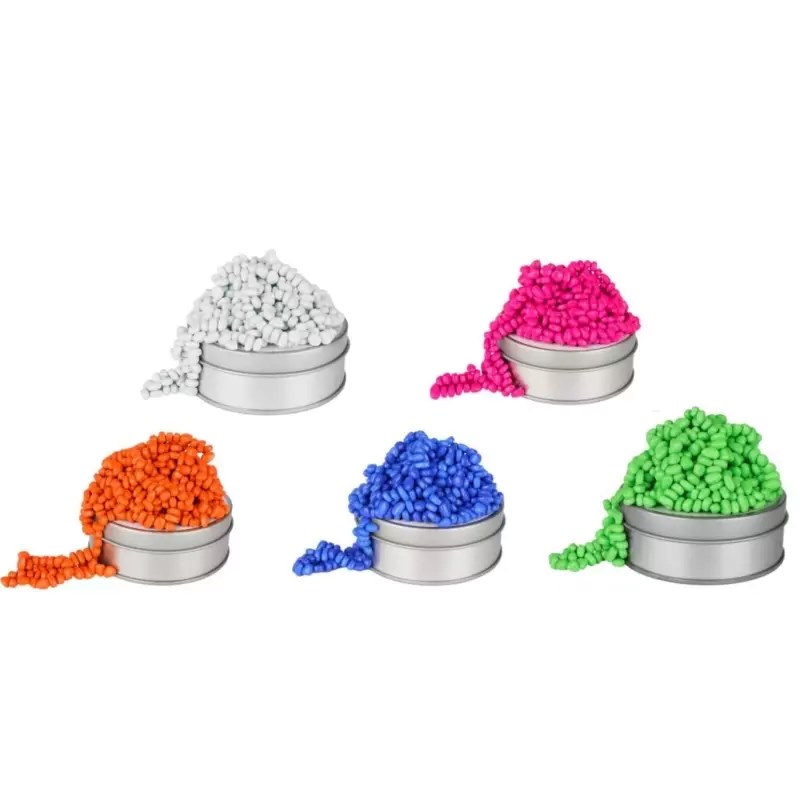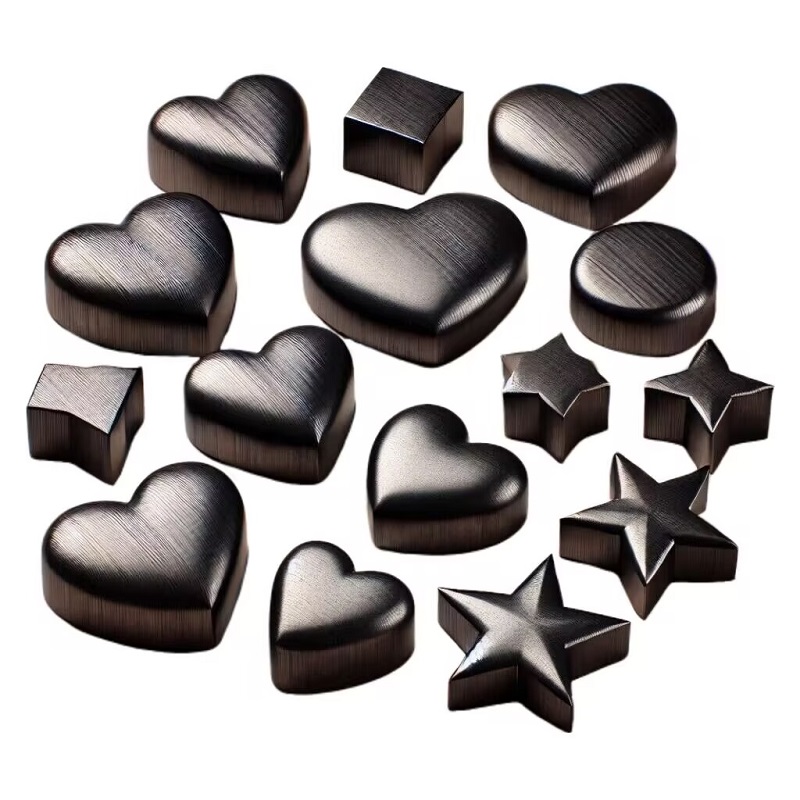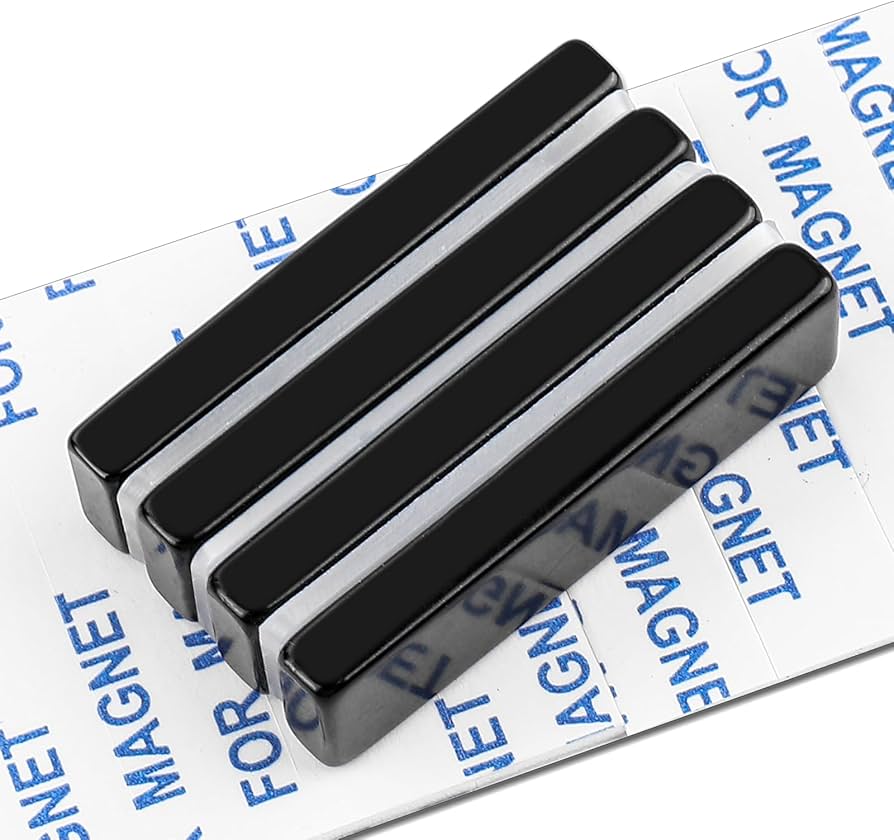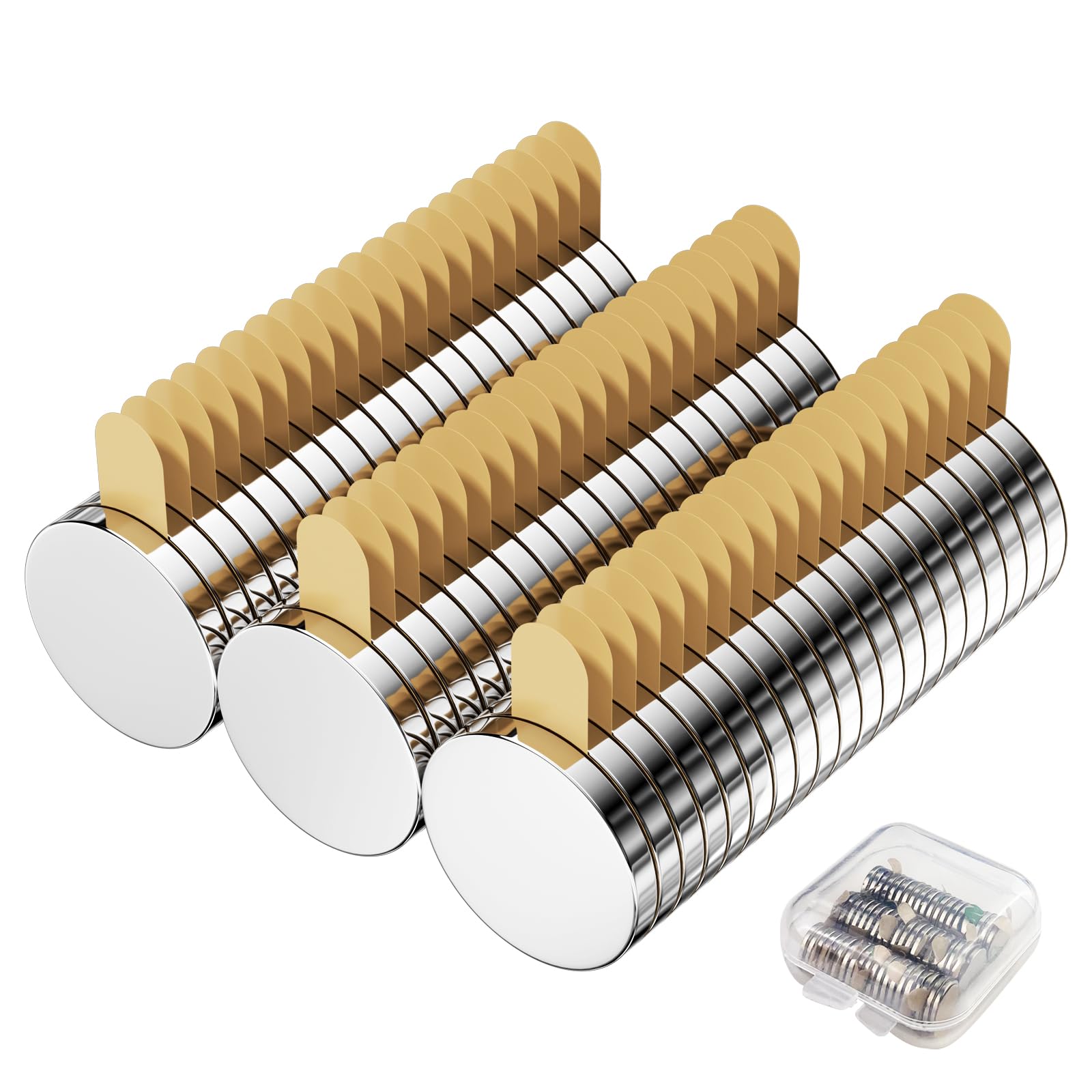
• Significant Research Breakthroughs in Key Metal Elements

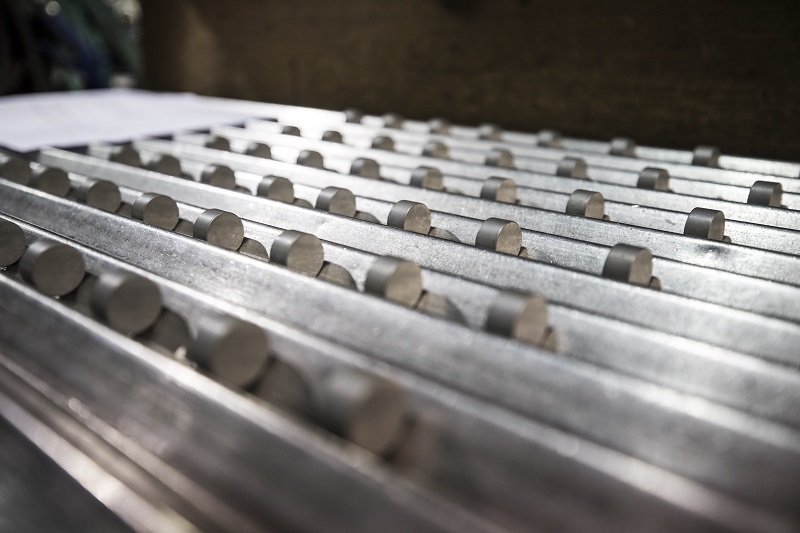
    Zoyn, in collaboration with China Jiliang University, DMEGC, and Earth-Panda, has made significant research breakthroughs in the precise detection and control technology of strategic key metal elements in magnetic materials, as well as its industrial application. This achievement has been nominated for the First Prize of the Zhejiang Provincial Scientific and Technological Progress Award.


    The project addresses critical challenges in the detection of strategic key metal elements in magnetic materials, the influence of element site occupancy on magnetic properties, and precise control of key elements. Supported by national key R&D programs, National Natural Science Foundation key projects, and provincial key R&D initiatives, the research has achieved a series of significant outcomes:


    1. Established precise detection technologies to monitor the distribution and lattice site occupancy of strategic key metal elements during production, enabling quantitative analysis of their distribution and state within materials.

    2. Studied the migration behavior of key elements during non-equilibrium phase transitions and sintering processes, constructing a mapping model between element states and macroscopic performance.

    3. Advanced multi-element, multi-step grain boundary diffusion control technology for heavy rare earth elements and crystal field regulation techniques for permanent magnetic ferrites.

    These achievements enable the efficient utilization of strategic key metal elements, establish critical technologies for synergistically enhancing the formulation, processing, and performance of magnetic materials, and facilitate the development of high-performance rare-earth permanent magnets and ferrite products. Expert evaluations have recognized the results as internationally leading in the areas of precise detection of heavy rare earth and precious metals and resource-efficient utilization technologies.


    The project has resulted in 32 core invention patents, 25 published papers, and three validated rare-earth element state detection technologies. Additionally, a Curie temperature detection device for magnetic materials was developed, with five national standards led and contributions to 13 other national standards. The research has also led to the development of 35 new products.

  • Features and applications of column load cells

    A column load cell, also known as a column-type force sensor or canister load cell, is a critical component used in various industries for measuring compression forces. In this article, we will introduce the column load cell and highlight its key features.

    1. Introduction:

    A column load cell is a highly sensitive transducer designed to measure vertical forces or loads along its central axis. It is primarily used in applications where accurate and reliable force measurements are essential. Column load cells find wide applications in industries such as automotive, aerospace, manufacturing, and materials testing.

    2. Key Features:

    2.1 High Precision: Column-type force sensors offer exceptional precision and accuracy in measuring compression forces. They are designed to provide reliable and repeatable measurements, even under challenging operating conditions.

    2.2 Robust Construction: These canister load cells are built with sturdy materials, such as stainless steel, to withstand heavy loads, vibrations, and harsh environmental conditions. The robust construction ensures long-term stability and durability.

    2.3 Compact Design: Column load cells have a compact design that allows for easy integration into existing systems and equipment. Their small footprint makes them suitable for applications with limited space availability.

    2.4 Overload Protection: To prevent damage from excessive loads, column load cells often feature overload protection mechanisms. This ensures the load cell can safely handle temporary overloads or shock loading without compromising its performance or longevity.

    2.5 Wide Range of Capacities: Column load cells are available in various load capacities, allowing for flexibility in selecting the appropriate sensor based on specific application requirements.

    2.6 Easy Installation: Column load cells are designed for easy installation and maintenance. They can be easily mounted and connected to the system, minimizing installation time and effort.

    2.7 Compatibility: Column load cells are compatible with standard data acquisition and control systems. They can be easily integrated into the monitoring and control infrastructure, enabling real-time measurements and feedback.

    In summary, column load cells are essential components in various industries where accurate and reliable force measurements are required. Their high precision, robust construction, compact design, overload protection, wide range of capacities, easy installation, and compatibility make them an ideal choice for applications that involve compression force monitoring. Column load cells play a crucial role in ensuring the safety, efficiency, and performance of equipment and processes in industries such as manufacturing, materials testing, more.

    column load cells


  • The Application of Force Sensors in Robotics

    |

    In the field of robotics, precise and reliable force measurement is crucial for achieving accurate control and interaction with the environment. Force sensors, also known as load sensors or force transducers, play a vital role in enabling robots to sense and respond appropriately to external forces. In this blog post, we will explore the application of force sensors in robotics and discuss their significance in enhancing the capabilities and safety of robotic systems.

    1. Force Sensing in Manipulation:

    Load cells are widely used in robotic manipulation tasks, where robots are required to interact delicately with objects. By integrating force sensors into robot grippers or end-effectors, robots can apply the appropriate amount of force during grasping, lifting, and manipulation tasks. This allows for precise control and prevents excessive force that may damage objects or cause safety hazards.

    2. Force Feedback and Compliance:

    Force sensors enable robots to provide force feedback, allowing them to perceive the level of force being applied to objects or surfaces. With this feedback, robots can adjust their actions to accommodate varying conditions or achieve a desired level of compliance. For example, force sensors can be used in collaborative robots (cobots) to detect human contact and ensure safe interactions by adapting their movements based on the applied force.

    3. Contact Sensing and Object Recognition:

    Force sensors integrated into the robot's limbs or fingers can detect contact forces, enabling robots to detect and recognize objects. By analyzing the distribution and magnitude of forces during contact, robots can identify object features and adapt their manipulation strategies accordingly. This capability is particularly valuable in applications such as object sorting, assembly, and tactile exploration.

    4. Grasp Force Control:

    Force sensors play a critical role in grasp force control, allowing robots to achieve optimal and stable grasping. By continuously monitoring the force exerted on an object during a grasp, robots can adjust their grip to prevent slippage or excessive force. This improves the efficiency and success rate of grasping tasks, especially when dealing with delicate or irregularly shaped objects.

    5. Force-Based Compliance Control:

    Force sensors enable robots to achieve adaptive control and compliance in various tasks. By measuring the external forces acting on the robot, it can actively adjust its motion and stiffness to interact with the environment accurately. This capability is highly valuable in applications such as compliant assembly, force-sensitive manipulation, and tasks requiring close physical interaction with humans.

    Force sensors are indispensable components in the field of robotics, enabling robots to perceive and respond to external forces for enhanced control and interaction. From manipulation and grasp force control to contact sensing and compliance, force sensors contribute to the safety, accuracy, and versatility of robotic systems. As robotics continues to advance, the application of force sensors will play an increasingly significant role in expanding the capabilities of robots and facilitating their into various industries.


  • The Crucial Role of Torque Sensors in Industrial Applications

    In the world of industrial automation and precision engineering, torque sensors play a pivotal role in ensuring optimal performance and safety. These sensors are designed to measure and monitor the rotational force, or torque, applied to various components and machinery. In this blog post, we will explore the significance of torque sensors and their applications in a wide range of industries.

    What is a Torque Sensor?
    A torque sensor, also known as a torque transducer, is a device that converts torque into an electrical signal. It measures the amount of force along with the direction of rotation, allowing for accurate torque measurement and analysis. This data is crucial for assessing the performance, efficiency, and integrity of mechanical systems.

    Applications in Industrial Settings:

    1. Automotive Industry: Shaft-to-shaft torque sensors are extensively used in automotive manufacturing, particularly in engine testing, powertrain development, and quality assurance. They enable engineers to measure torque output, detect issues, and optimize engine performance.
    2. Robotics and Automation: Non-contact torque sensors are vital in robotics and automation applications for precise control of joint movements. They provide feedback to ensure that robotic systems operate within specified torque limits and maintain safe operation.
    3. Aerospace and Aviation: Torque sensors play a critical role in the maintenance and testing of aircraft engines, propellers, and control surfaces. They assist in monitoring torque during assembly, track performance during flight testing, and aid in the overall safety and efficiency of aerospace systems.
    4. Energy and Power Generation: Torque sensors are utilized in power plants, including thermal, nuclear, and renewable energy facilities. They enable accurate measurement of torque in generators, turbines, and other rotating equipment, ensuring efficient power generation.
    5. Manufacturing and Industrial Machinery: Torque sensors contribute to the quality control and performance monitoring of machinery used in manufacturing processes. From assembly lines to heavy equipment, these sensors assist in detecting faults, optimizing output, and preventing equipment damage.

    Benefits of Torque Sensors:

    • Enhanced Efficiency: Torque sensors help optimize energy consumption by ensuring precise control and minimizing wastage.
    • Improved Safety: By monitoring torque levels, these sensors prevent overload conditions that could lead to accidents or equipment failure.
    • Quality Assurance: Accurate torque measurement ensures that products meet stringent quality standards and performance requirements.
    • Predictive Maintenance: By detecting abnormalities in torque levels, these sensors enable preventive maintenance, preventing unexpected breakdowns and reducing downtime.

    Torque sensors play a crucial role in various industries, enabling precise measurement, control, and optimization of torque-related parameters. From automotive manufacturing to aerospace applications, these sensors contribute to efficiency, safety, and overall performance. As technology continues to advance, torque sensors will continue to evolve, empowering industries to achieve greater levels of automation, accuracy, and reliability.

  • Unlocking the Potential of Force Sensors A Journey into Precision Measurement

    |

    In the vast landscape of engineering and technology, force sensors stand as vital beacons, guiding us towards precise measurements and innovative solutions. From industrial automation to medical devices, these remarkable devices have revolutionized the way we interact with and understand the physical world. Today, let's embark on a journey to uncover the wonders of force sensors, their working principles, applications, and the future they hold.

    What are Force Sensors?

    Force sensors, or load cells as they're often called, are devices designed to measure and convert applied mechanical force into a measurable electrical signal. This conversion process enables us to quantify and analyze the force being exerted, be it in terms of compression, tension, or shear.

    Working Principles

    The heart of a load cell lies in its ability to detect deformation caused by an applied force. Typically, this deformation is translated into an electrical signal using various mechanisms, such as:

    • Strain Gauge Technology: The most common approach involves the use of strain gauges, which are thin metallic foils that change their electrical resistance when subjected to mechanical strain. As the sensor body deforms under load, the strain gauges respond accordingly, allowing for precise measurement of the applied force.
    • Piezoelectric Effect: In some sensors, piezoelectric materials are used, which generate an electrical charge when mechanically stressed. This effect is harnessed to convert applied force directly into an electrical signal.
    • Capacitive Sensing: By measuring changes in the capacitance between two plates caused by deformation, capacitive sensors can also detect and quantify forces.

    Applications Galore

    Force transducers have found their way into countless industries and applications, making them indispensable tools for progress:

    • Industrial Automation: In robotic arms and assembly lines, force sensors ensure precise control over gripping and manipulation tasks, preventing damage to delicate parts and optimizing production efficiency.
    • Aerospace & Automotive: They play a crucial role in flight control systems, monitoring the load on wings and control surfaces, as well as in automotive safety systems, measuring seatbelt tension and airbag deployment forces.
    • Medical Devices: From surgical instruments that require delicate force control to assistive devices for mobility and rehabilitation, force sensors enhance patient safety and treatment outcomes.
    • Research & Development: In material testing, force sensors help scientists understand the strength and durability of new materials and designs, accelerating innovation in fields like aerospace, construction, and consumer electronics.

    Looking Ahead

    As technology advances, force sensors are becoming more sophisticated, accurate, and versatile. Miniaturization, wireless connectivity, and advanced materials are just a few of the trends shaping their future. With the rise of the Internet of Things (IoT), force sensors are being integrated into smart systems, enabling real-time monitoring and predictive maintenance in industries worldwide.

    Moreover, advancements in AI and machine learning algorithms are enabling force sensors to learn and adapt, making them even more intelligent and responsive to dynamic environments.

    Conclusion

    Force sensors are truly the unsung heroes of modern engineering, quietly enabling precision measurement and driving innovation across countless industries. As we continue to push the boundaries of what's possible, these remarkable devices will remain at the forefront, guiding us towards a more connected, efficient, and safe world. Whether you're an engineer, researcher, or simply fascinated by the wonders of technology, the story of force sensors is one worth exploring and celebrating.

  • Enhancing Manufacturing Efficiency with ACU's Professional Machines

    In today’s fast-paced manufacturing environment, the demand for precision and efficiency is higher than ever. Companies are continually seeking ways to improve their production capabilities. At ACU, we understand the challenges manufacturers face, and that’s why we offer cutting-edge solutions, including high-performance sheet metal machines, roll forming machines, and pipe making machines. Our products are designed to help businesses streamline operations while ensuring the highest quality standards.


    Optimized Sheet Metal Machines for Precision and Speed

    ACU’s sheet metal machines are at the forefront of the industry, offering robust solutions for businesses that rely on precision sheet metal fabrication. Whether you're producing components for automotive, electronics, or other industries, our sheet metal machines deliver superior performance. With advanced control systems and precise cutting capabilities, our machines ensure accuracy while maintaining speed and efficiency throughout the production process. This makes them an essential asset for businesses that prioritize both high-quality and high-volume output.

    sheet metal machines


    Roll Forming Machines: The Key to Efficient Production

    Our roll forming machines provide an efficient, cost-effective solution for creating metal profiles for various applications. From roofing and siding panels to custom components, ACU’s roll forming machines deliver unparalleled consistency and quality. With adjustable settings and quick changeovers, our roll forming systems can easily handle a wide range of materials, including steel, aluminum, and more. This versatility, combined with energy-efficient operations, makes ACU’s roll forming machines an invaluable tool for manufacturers looking to increase productivity while minimizing costs.

    Roll Forming Machine


    Advanced Pipe Making Machines for High-Quality Pipes

    When it comes to pipe manufacturing, ACU’s pipe making machines are built to exceed industry standards. These machines are capable of producing high-quality pipes in various sizes and specifications to meet the needs of industries like construction, plumbing, and manufacturing. Our pipe making solutions are engineered to ensure smooth and seamless operation, reducing downtime and increasing output. Whether you're producing steel pipes, plastic pipes, or other materials, ACU’s pipe making machines guarantee superior strength, durability, and precision.

    Pipe Making Machine


    Why Choose ACU?

    At ACU, we don’t just sell machines—we provide comprehensive manufacturing solutions tailored to your specific needs. Our machines are designed to optimize performance and ensure longevity, making them an investment that pays off over time. We offer exceptional customer support, from machine installation to after-sales service, ensuring that your business runs smoothly and efficiently.


    Our commitment to quality, innovation, and customer satisfaction has made ACU a trusted name in the manufacturing industry. Whether you need sheet metal machines, roll forming machines, or pipe making machines, ACU has the right solution for you. Contact us today to learn more about how our advanced machinery can transform your production processes and help you stay ahead of the competition.

  • The Versatility of Roll Forming Machines in Modern Manufacturing


    Roll forming machines have become a key player in modern manufacturing processes, particularly in industries that require high-volume production of metal profiles with consistent precision. These machines are essential for shaping a wide variety of materials, including steel, aluminum, and other metals, into long, continuous profiles that can be further processed or used directly in construction and fabrication.


    One standout application of roll forming technology is the photo frame roll forming machine, which is designed specifically to produce high-quality metal photo frames. This machine's ability to shape metal with such fine detail makes it indispensable in the production of decorative frames for both commercial and personal use. The precision of the roll forming process ensures that each piece is uniform, saving time and reducing waste in the manufacturing process.


    photo frame roll forming machine


    In addition to photo frames, the steel framing roll forming machine is a must-have for the construction and building materials industry. This machine excels in producing steel framing systems, which are integral in the construction of modern buildings. The robust structure and strength of steel make it an ideal material for creating durable, long-lasting framing systems, and the roll forming machine ensures these profiles are produced with high efficiency and minimal variation. This machine is ideal for companies looking to streamline their production of steel framing components.


    Another innovative application is the automated curtain rod machine, a perfect example of how roll forming can meet the needs of specialized manufacturing. The automated system ensures precision in producing curtain rods of various shapes and sizes, improving both efficiency and accuracy. With automated capabilities, manufacturers can produce large volumes of curtain rods without sacrificing quality or increasing labor costs.


    ACU, a leader in the manufacturing of roll forming machinery, offers more than just high-performance machines. The company provides comprehensive OEM and ODM services, allowing clients to customize machines to meet specific production needs. ACU’s expertise in the industry ensures that you get the machine best suited to your requirements. Additionally, ACU’s exceptional after-sales service guarantees that customers receive continuous support, from installation to maintenance, ensuring that their operations run smoothly for years to come.


    With ACU's commitment to quality and innovation, customers not only gain access to advanced roll forming technology but also the benefit of expert guidance and service, making ACU the perfect combination for any manufacturing need.

  • Webbing Slings The Essential Guide to Safe and Efficient Lifting

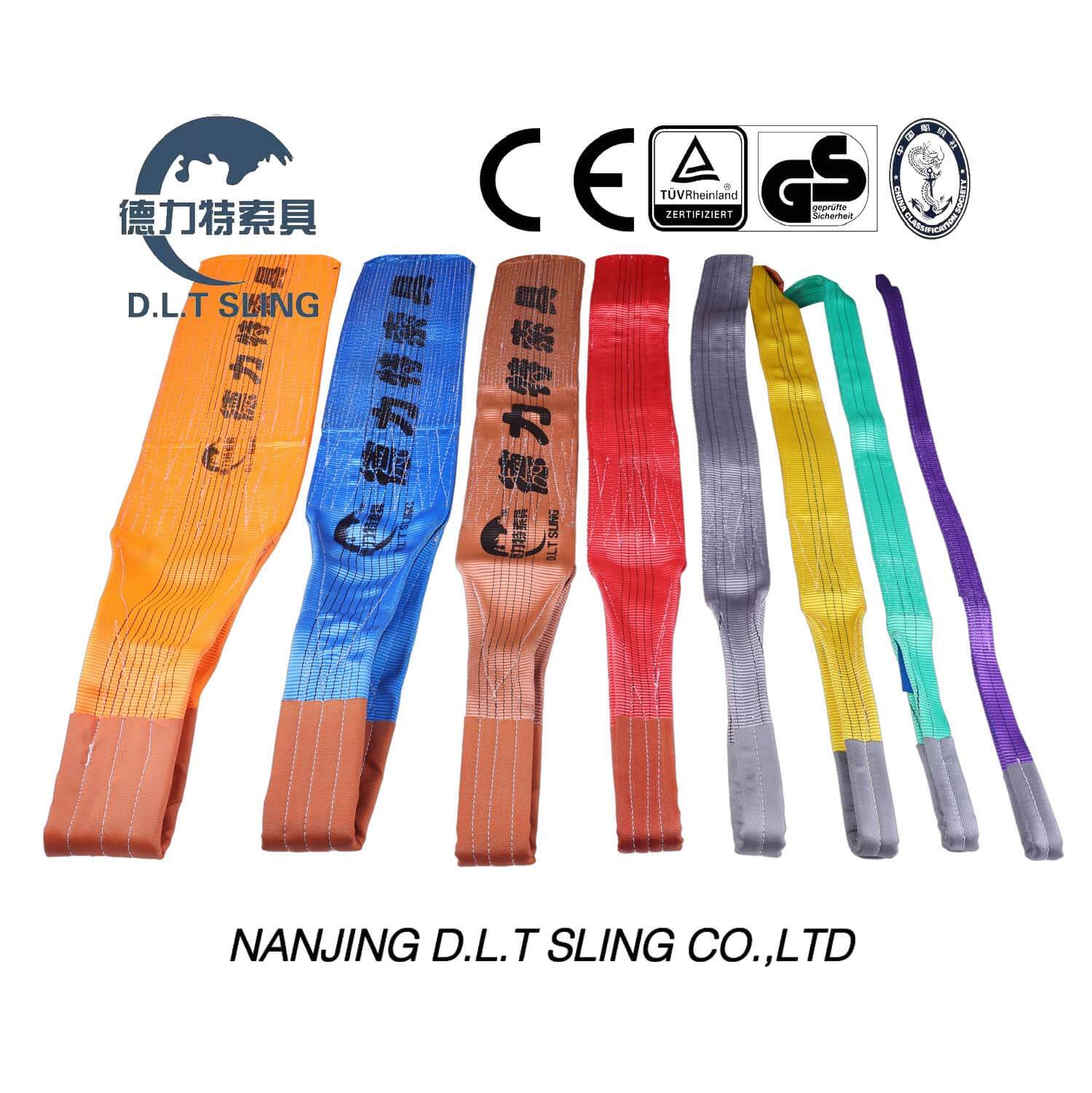
    Webbing slings are an indispensable tool in various industries where heavy lifting is involved. They provide a versatile, lightweight, and reliable means of lifting and securing loads safely. In this comprehensive guide, we will explore the different types of webbing slings, their key features, proper usage guidelines, and the importance of adhering to safety protocols to ensure efficient and secure lifting operations.

    Webbing slings consist of durable polyester or nylon woven straps designed to lift and secure loads. They come in various configurations, including round slings, flat slings, and endless slings, each suitable for different lifting applications. Understanding the specific characteristics and capabilities of each type is crucial for selecting the appropriate sling for the task at hand.

    The Working Load Limit (WLL) and Safe Working Load (SWL) are vital considerations in using webbing slings safely. WLL refers to the maximum weight that a sling can safely lift under ideal conditions, while SWL indicates the recommended weight limit for day-to-day working scenarios. It is crucial to carefully assess and determine the WLL and SWL for each lifting operation, considering factors such as load weight, sling angle, and environmental conditions.

    When selecting a webbing sling, several factors need to be taken into account. These include the type and weight of the load, the lifting method (such as vertical, choker, or basket hitch), working conditions (including temperature and chemical exposure), and the desired level of flexibility or abrasion resistance. Properly assessing these factors will ensure the right sling is chosen for enhanced safety and efficiency.

    Regular inspection and maintenance are critical for the longevity and safe operation of webbing slings. Visual inspections should be conducted before and after each use to check for signs of wear, cuts, or fraying. Additionally, periodic thorough inspections, as well as cleaning and storing the slings properly, will help prevent potential hazards and extend the lifespan of the slings.

    Adhering to safety standards and regulations is imperative when working with webbing slings. These standards, such as those set by organizations like the Occupational Safety and Health Administration (OSHA) and the European Norm (EN), provide guidelines for proper sling usage, inspection, and maintenance. By complying with these standards, companies can mitigate risks, ensure worker safety, and avoid potential legal consequences.

    webbing sling

  • The Power of Magnetic Solutions in Modern Industries

    Unlocking the Potential of Magnetic Materials in Automotive, Renewable Energy, and Manufacturing.


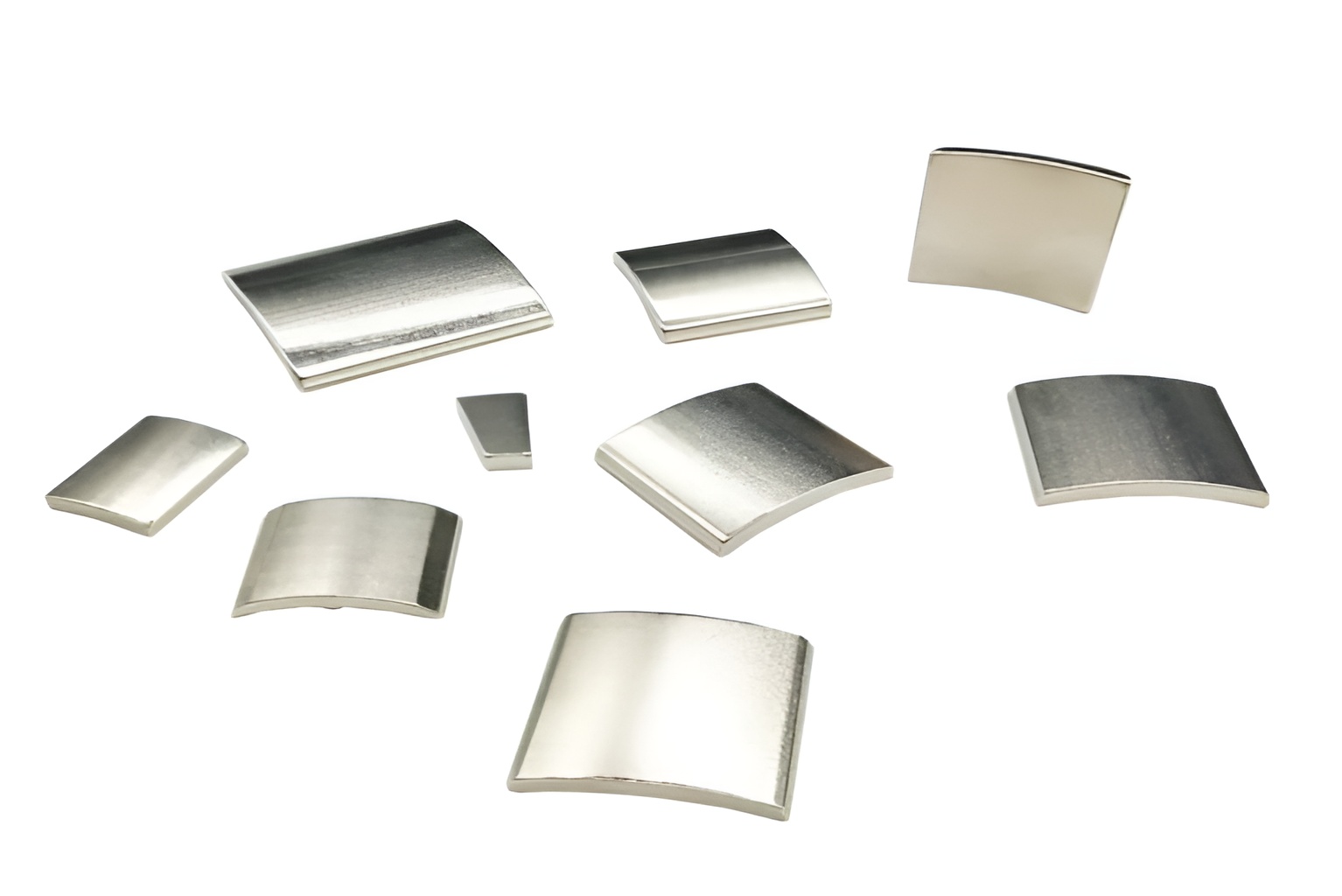
    In today’s fast-paced industrial landscape, magnetic materials are powering advancements across multiple sectors, from electric vehicles (EVs) to renewable energy and advanced manufacturing. As a leading provider of high-performance magnetic solutions, our company is proud to support the evolution of these industries with innovative products like sintered neodymium magnets, bonded neodymium, Alnico, SmCo, ferrites, and injection-molded magnets. In this post, we’ll explore the vital role that magnetic materials play in each of these fields, highlighting how our solutions are helping clients stay ahead of the curve.


    Driving the Future of Automotive with Magnetics.


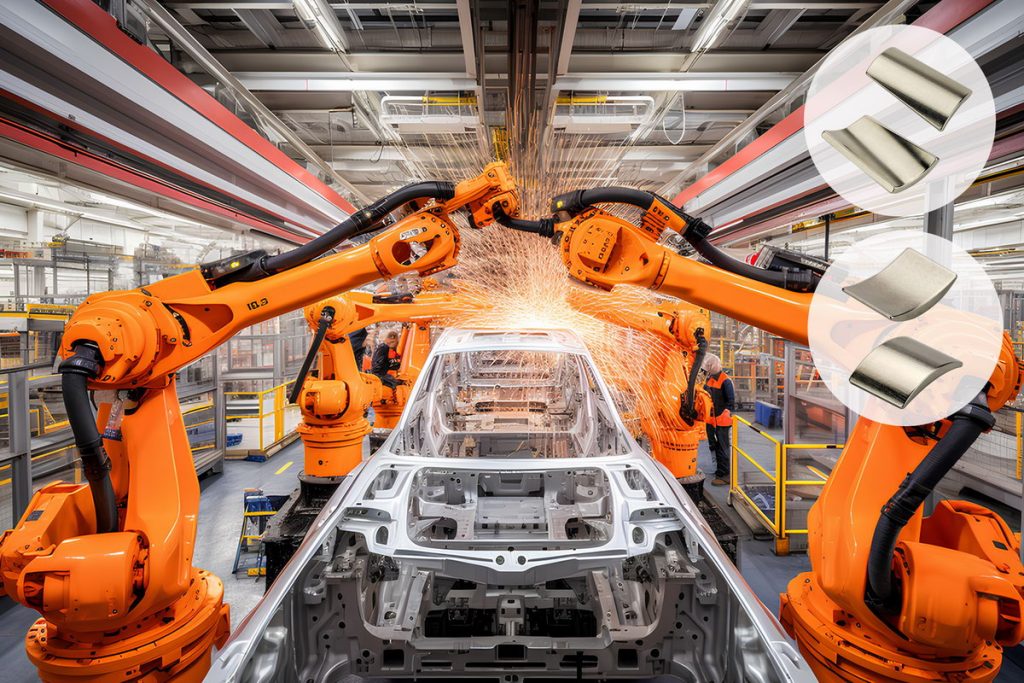
    As the automotive industry accelerates toward electrification, the demand for powerful, efficient, and durable magnetic materials has never been higher. In electric vehicles (EVs) and hybrid models, magnets are the backbone of several critical systems, including electric motors, battery management, and regenerative braking. Our high-performance neodymium magnets, for example, offer the strength and reliability necessary to increase EV range and efficiency. With their high torque density and energy efficiency, these magnets are essential for maximizing vehicle performance while reducing environmental impact.


    But magnets in the automotive field go beyond EV propulsion. Sensors and actuators powered by magnetic materials help ensure vehicle safety, supporting features like Anti-lock Braking Systems (ABS), Electronic Stability Control (ESC), and power steering. In modern cars, everything from audio systems to navigation relies on specialized magnets that provide durability and precision in compact spaces. Our custom magnet solutions are tailored to meet the diverse needs of the automotive industry, ensuring high performance across all vehicle types.


    Advancing Renewable Energy with Magnetic Innovation.


    Renewable energy is a rapidly expanding field where magnetic solutions are essential. Wind turbines and hydroelectric generators depend on magnets to convert kinetic energy into electrical power efficiently. Our Samarium Cobalt (SmCo) magnets, known for their temperature stability and corrosion resistance, are ideal for the challenging environments of offshore wind farms and hydroelectric systems. These magnets are engineered to withstand extreme conditions, ensuring long-lasting, low-maintenance solutions that maximize energy generation.


    Solar energy systems also benefit from magnetic technology, particularly in solar tracking mechanisms that allow panels to follow the sun throughout the day. Our custom magnets support smooth, precise tracking, helping increase the efficiency of solar energy capture. By providing highly durable, reliable magnets, we’re proud to play a part in the world’s transition to cleaner, more sustainable power sources.


    Optimizing Industrial Automation and Manufacturing.


    In the realm of industrial automation and manufacturing, magnetic materials enable efficiency, precision, and productivity. Injection-molded magnets and magnetic assemblies are commonly used in robotic systems, CNC machines, and automated conveyor belts to ensure accurate movement and reliable operation. For manufacturing processes that require exact positioning, magnetic fixtures and clamps offer a non-invasive, secure solution that reduces setup time and increases production throughput.


    Sensors and actuators using magnets allow for non-contact measurement and control, which is essential in automated environments where speed and accuracy are critical. Our magnets, available in various strengths and forms, meet the specific requirements of high-performance manufacturing systems. With custom magnetic assemblies and advanced magnetic materials, we help industries achieve greater precision and productivity.


    Our Commitment to Innovation and Quality.


    As industries evolve, so do the demands for reliable, high-performing magnetic materials. Our commitment to quality ensures that every product meets stringent standards, from material selection to production and final testing. By staying at the forefront of magnetic material research, we’re able to provide custom solutions that help our clients remain competitive and efficient.


    At our company, we understand that no two projects are alike. That’s why we offer a range of services, including technical consultation, custom design, prototyping, and quality control. Whether you’re developing a next-generation EV, building a wind farm, or optimizing a manufacturing line, our experts are here to guide you every step of the way.


    Embracing the Future with Magnetic Solutions.


    The future of magnetic materials is bright, with advancements continuously unlocking new possibilities. By supporting innovations in automotive, renewable energy, and industrial automation, we’re proud to contribute to a world that’s smarter, cleaner, and more efficient. Explore our range of magnetic solutions and discover how we can partner with you to achieve success in your industry.


    Contact us today to learn more about our products, services, and commitment to quality. Together, let’s harness the power of magnetic materials to drive the innovations of tomorrow.

  • The Versatility and Benefits of Ferrite Magnets in Modern Applications

    Introduction:


    Ferrite magnets, also known as ceramic magnets, have been a cornerstone of the magnetic materials industry for decades. Their affordability, durability, and versatility make them indispensable in various applications, from industrial machinery to everyday consumer electronics. At ZOYN, we pride ourselves on producing high-quality ferrite magnets tailored to meet diverse needs.


    Why Choose Ferrite Magnets?


    Ferrite magnets stand out due to their unique properties:


    • Cost-Effectiveness: Made primarily from iron oxide and barium or strontium, ferrite magnets are one of the most affordable magnetic materials available.
    • Durability: Resistant to corrosion and able to withstand high temperatures, ferrite magnets are ideal for outdoor and high-stress applications.
    • Wide Range of Applications: They are used in motors, speakers, magnetic assemblies, and more.


    Applications of Ferrite Magnets:


    1. Automotive Industry: Ferrite magnets are integral to motors, sensors, and ignition systems, offering reliable performance in extreme conditions.

    2. Renewable Energy Systems: From wind turbines to solar trackers, ferrite magnets contribute to energy efficiency and sustainability.

    3. Consumer Electronics: These magnets are commonly used in loudspeakers, microwave ovens, and magnetic latches, demonstrating their versatility in household devices.

    4. Industrial Equipment: Ferrite magnets play a critical role in separators, conveyor belts, and electric motors in factories and manufacturing units.


    Our Commitment to Quality:


    At ZOYN, we manufacture ferrite magnets that meet the highest standards of quality and performance. Our factory employs advanced production techniques to ensure precision and consistency in every product. Whether you need custom shapes, sizes, or specific magnetic properties, we deliver solutions tailored to your requirements.


    Why Partner with Us?


    • Expertise: Decades of experience in magnetic material manufacturing.
    • Customization: Tailored solutions for unique applications.
    • Sustainability: Environmentally responsible production processes.


    Conclusion:


    Ferrite magnets continue to be a go-to choice for industries worldwide, offering a perfect balance of cost, performance, and durability. If you’re looking for reliable, factory-direct ferrite magnets, ZOYN is your trusted partner. Contact us today to learn more or request a quote.